Mazama Energy drills past 10,000 feet toward 750-degree geothermal prize
Backed by Shell and ConocoPhillips, Mazama Energy is drilling toward 15,000 feet in Oregon, where 750-degree rock could yield 10 gigawatts — more than all U.S. geothermal plants combined.
By Nathan Brooks
3 min read
What's News
- Mazama Energy has drilled past 10,000 feet near Newberry Volcano in Oregon, targeting more than 15,000 feet, with grid power planned by 2029.
- The Frisco, Texas startup has raised $171 million since 2023, including a $135 million round backed by Shell and ConocoPhillips.
- Mazama's superhot rock approach requires 80% fewer wells and 75% less water than traditional geothermal for similar energy output.
- The company set a record for the hottest engineered thermal system at 629 degrees, using liquid CO2 to cool drill bits in roughly 750-degree rock.
- The Newberry Volcano site holds an estimated 10 gigawatts of recoverable power, exceeding all U.S. geothermal plants currently operating.
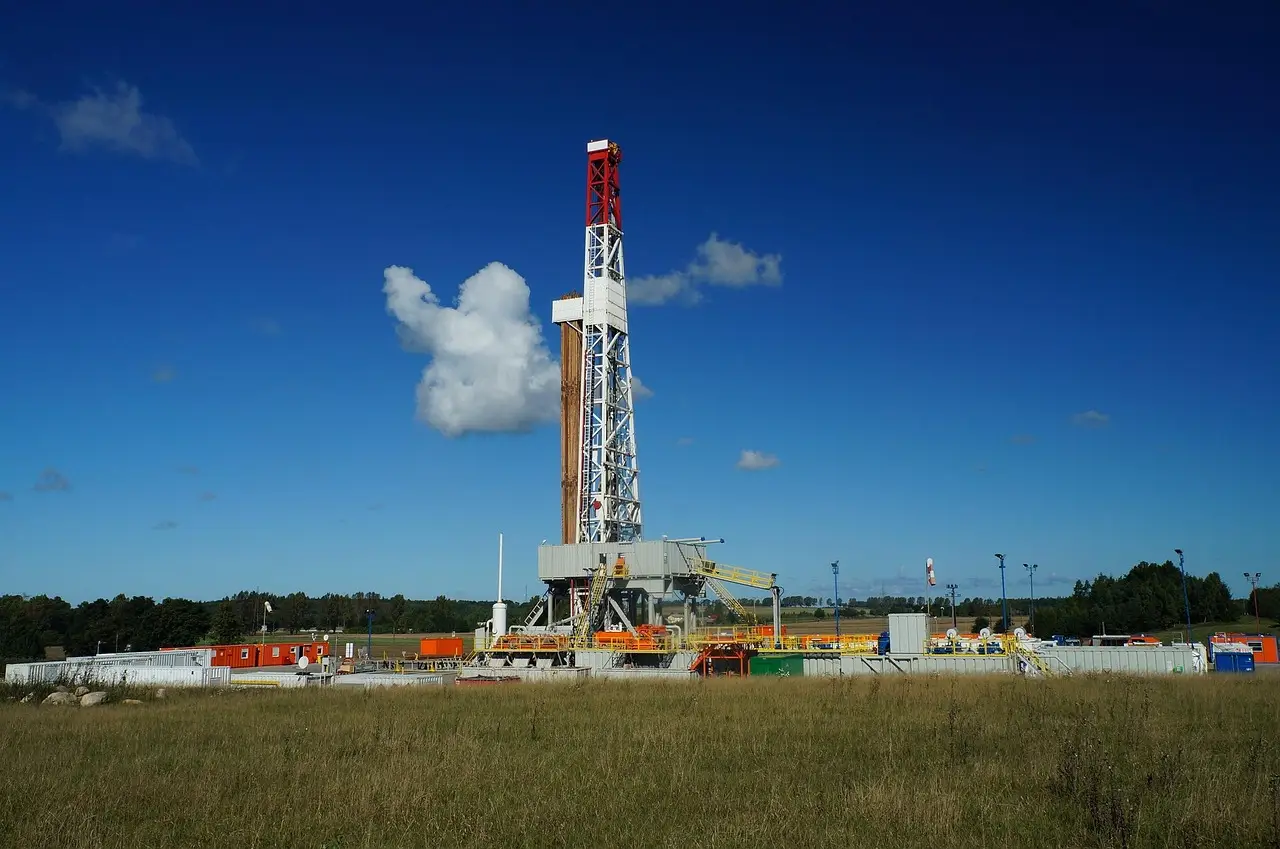
Mazama Energy has drilled past 10,000 feet near Oregon's Newberry Volcano and is pushing toward 15,000 feet, chasing underground heat hot enough to reshape the economics of geothermal power. The Frisco, Texas-based startup plans to plug its pilot project into the grid and deliver power by 2029.
The company carries $171 million in total funding since its 2023 founding, with Shell and ConocoPhillips backing its latest $135 million round. Mazama's edge comes straight from the oil patch: CEO and president Sriram Vasantharajan worked in engineering and executive roles at Mobil Oil and Blade Energy Partners, and much of the deep-drilling technology the company relies on came from decades of fossil fuel investment.
What does deeper drilling change for the economics?
Mazama's core bet is that depth beats volume. By accessing extreme temperatures more than 12,000 feet underground, the company says it can produce significantly more power per well. Its superhot rock approach requires 80% fewer wells and 75% less water than traditional, shallower geothermal systems to generate a similar amount of energy. Fewer wells means less capital to launch a project — the key constraint that has kept geothermal niche.
Rock at these depths runs roughly 750 degrees Fahrenheit, nearly double the 390 degrees typical of conventional geothermal wells. That heat destroys polycrystalline diamond compact (PDC) drill bits and the electronics that steer them. Mazama's fix: a cooling system that pumps liquid carbon dioxide around the downhole equipment, turning CO2 into a continuously circulating drilling fluid. The approach borrows directly from carbon sequestration research, which taught the industry how the gas behaves under pressure underground.
The payoff so far is a record. Mazama set the mark for the hottest engineered thermal system, at 629 degrees. Vasantharajan described the effect vividly: "Imagine you're drilling rock that's heated to 650 degrees Fahrenheit. Our drill bit comes out, and it's got ice on it."
Who else is racing into superhot rock?
Mazama is one of at least three startups betting that extreme-heat drilling can scale, a rare renewable pursuit included in President Donald Trump's second-term energy dominance agenda. Each takes a different technical path:
- Fervo Energy went public through a massive IPO on the strength of plans to power a Google data center, using horizontal drilling to capture more heat.
- Quaise Energy recently secured its own Google deal and plans to use millimeter-wave technology to vaporize rock and reach superhot rock in Oregon.
- Mazama Energy is betting its cooled conventional drill bits can do the job cheaper.
Vasantharajan frames the Oregon project as the template for what follows. He calls it a "proving ground" — a chance to show the approach works even in states without a drilling history. "When you create that blueprint or template, you can then rinse and repeat," he said. "That, to me, is when superhot rock has gone from just viable to creating a repeatable and bankable path to unleashing this incredible potential at scale."
What's at stake at Newberry?
Progress is measurable. Mazama's latest Oregon well was drilled 80% faster than its previous attempts, part of a push to accelerate drilling, harden equipment against extreme temperatures, and cut the cost of underground heat-circulation infrastructure. A team of roughly three dozen employees is carrying the load.
The prize is large. Tapping the superhot rock at the Newberry Volcano site could unlock an estimated 10 gigawatts of recoverable power — more than the combined output of every geothermal plant currently operating in the United States. For context, 10 gigawatts is roughly the capacity of ten large nuclear reactors, available as 24/7 clean baseload.
The race, ultimately, is against fossil fuels on cost. Mazama and its competitors need to prove extreme-heat geothermal wells can be drilled fast and cheaply enough to rival traditional power sources. With a record-setting next-generation well already in the ground, Mazama holds a head start in turning deep-earth heat into round-the-clock power for a grid with rapidly growing demand.
Original: globenewswire.com
More from Nathan Brooks
Show full bio
News editor covering regulation, policy and their impact on entrepreneurship, startups and venture funding at Business Bearings.
2,785 articles