Milk Valley Farm targets 15 million litres of annual milk capacity
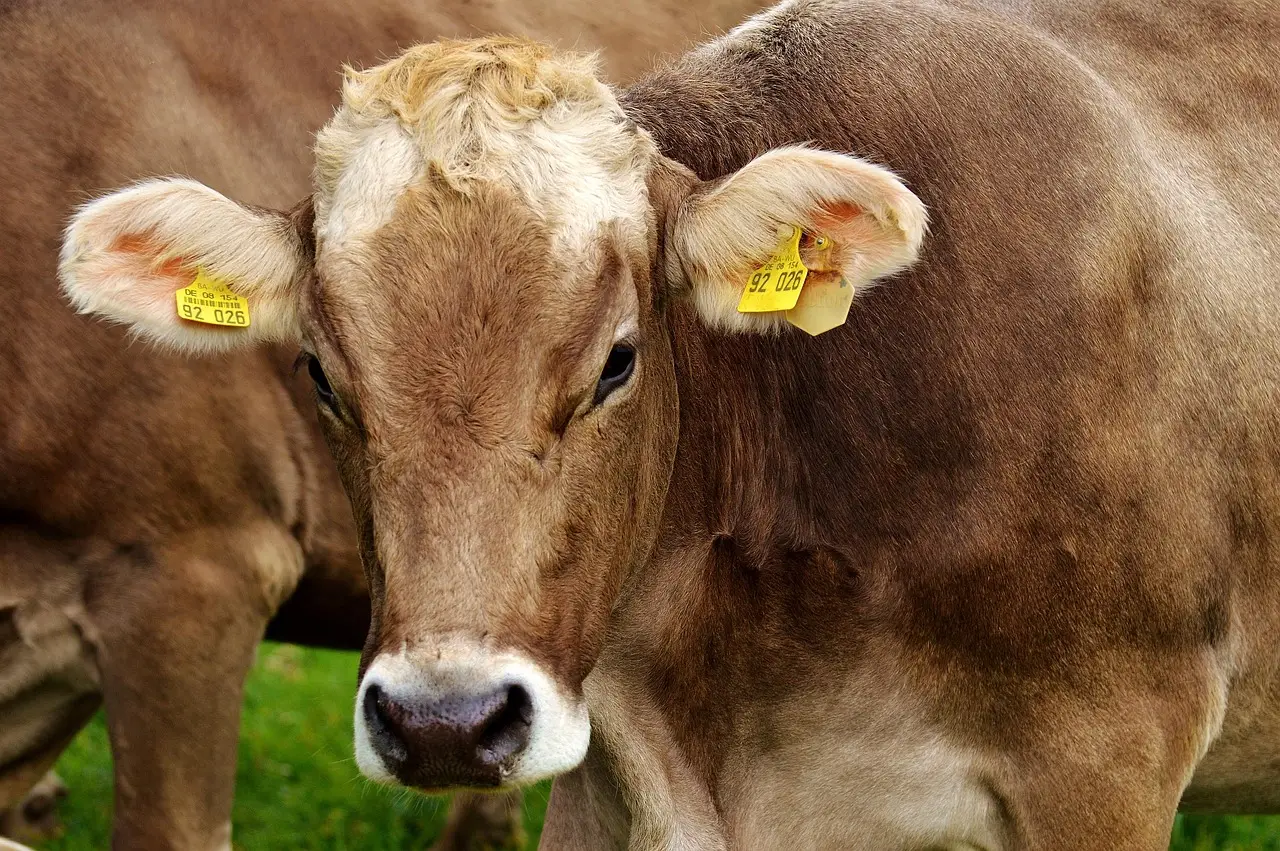
Milk Valley Farm has reached Botswana's domestic market after 600 Girolando cattle arrived from Brazil. The BDC-backed farm targets 3,000 cattle and about 15 million litres of annual milk capacity.
By Daniel Okafor
4 min read
What's News
- 600 Girolando dairy cattle arrived from Brazil.
- Milk Valley Farm is working toward a 3,000-cattle herd.
- The farm targets annual milk capacity of approximately 15 million litres.
- Milk production has started and farm products have reached Botswana's domestic market.
- President Advocate Duma Gideon Boko toured Milk Valley Farm in Lobatse.
By Daniel Okafor
Milk Valley Farm targets 3,000 dairy cattle and annual milk capacity of about 15 million litres after 600 Girolando cattle arrived from Brazil. President of the Republic of Botswana, Advocate Duma Gideon Boko, recently toured the farm in Lobatse to assess progress on the agricultural investment backed by the Botswana Development Corporation (BDC).
Milk production has begun, and products from the farm have reached Botswana's domestic market.
What has the farm already achieved?
The 600 Girolando cattle form the operating base for Milk Valley Farm's expansion. The farm's project rationale identifies the breed as suited to tropical and subtropical conditions, a relevant trait for commercial dairying in Botswana's warm climate.
The cattle combine milk-production potential with adaptation to those conditions, allowing the farm to pursue greater domestic output rather than relying only on imported dairy products.
Boko's visit focused on project delivery and the farm's contribution to agricultural development. The farm has moved beyond its initial setup phase because milk production has started and products are already moving through the domestic market. That early commercial activity gives BDC's investment an immediate channel into local supply chains rather than leaving its benefits confined to imported livestock.
What does the 3,000-cattle target mean?\n
The herd plan calls for 3,000 cattle, compared with the 600 now in the country. At full scale, Milk Valley Farm expects annual milk production capacity of approximately 15 million litres.
BDC links that capacity to a stronger domestic supply, reduced pressure on dairy imports and greater food security, while retaining more economic value through local production.
Can domestic milk reduce import pressure?\n
Botswana's dairy market has long included imported products. Milk Valley Farm's project rationale says heavy reliance on overseas suppliers exposes consumers and businesses to international price swings and supply interruptions outside the country's control. Domestic production can place more milk, processing and distribution activity inside Botswana while meeting local demand.
The farm also sees opportunities for local distributors, retailers and processors to handle more domestic output.
The project still has to convert capacity into dependable supply. Its development case makes execution the main test: the farm must run efficiently, reach its production targets and provide quality dairy products at competitive prices.
Without processing, storage and transport, additional litres at farm level do not automatically become a durable domestic dairy industry.
What must expand beyond the farm?\n
The project expects growth to create roles across the milk value chain. The plan identifies likely areas for new work:
- Animal care, veterinary services and livestock management.
- Milk production, processing, transportation and distribution.
- Agricultural inputs, equipment, maintenance and logistics.
BDC's development plan identifies local entrepreneurs and broader citizen participation as intended beneficiaries. Demand for inputs, repairs and transport could support citizen-owned service businesses, extending the investment's effects beyond Milk Valley Farm itself. The project's employment case rests on whether those commercial links grow alongside the herd.
Physical infrastructure will determine how quickly added output reaches consumers. The project relies on reliable water, animal feed, veterinary support, electricity, suitable storage and efficient transport, because commercial milk production cannot maintain quality or reach buyers without those services.
Milk collection, handling and storage must meet quality requirements to protect consumers. As volume increases, processing and distribution capacity must expand in step, rather than leaving the market with excess raw milk and no route to sale.
Technical skills create a second constraint. Dairy production requires management of nutrition, breeding, disease prevention and productivity. The project rationale points to partnerships among farmers, veterinary specialists and agricultural institutions as ways to build local expertise and transfer knowledge.
Those relationships could improve farm performance and create demand for agricultural professionals and technical service providers. Over time, the project expects those links to build a more competitive domestic dairy sector.
How does the project fit Botswana's economic strategy?\n
BDC's investment positions agriculture as a productive sector that can support food security, industrial development and employment. Milk Valley Farm fits the corporation's broader mandate to back businesses and projects tied to economic growth.
The import-substitution case is straightforward: locally produced milk can replace some foreign supply, retain more spending within Botswana and encourage further private investment in farming and related industries.
BDC's wider economic rationale also reaches beyond the farm. A larger dairy sector can support transport, manufacturing, retail and professional services, extending diversification and generating more goods, services and employment inside Botswana. That approach reduces vulnerability to external economic pressure.
Boko's Lobatse visit also served to monitor a major agricultural investment and check whether it delivers meaningful economic results. The cattle arrival established the farm's production base, while current sales show that the project reaches the domestic market.
Future performance will be judged not only by litres produced but also by jobs, local business activity and the resilience of the supply chain.
The 3,000-cattle target gives the project a defined scale. Reaching 15 million litres of annual capacity will still require continued capital, effective management and dependable support across feed, veterinary services, power, processing and logistics. If Milk Valley Farm clears those conditions, BDC's investment can become a test of whether Botswana turns imported cattle into a durable domestic dairy supply chain and a more self-sufficient food system.
Source: botswanayouth.com
More from Daniel Okafor
Show full bio
Correspondent covering money, funding and market shifts around entrepreneurship, startups and venture funding at Business Bearings.
1,687 articles