Molokai Farm Collects 1,200 Coconuts and Trains a New Farm Generation
Molokai Farm has propagated 1,200 coconuts and grows 50-plus taro varieties while a new fall program trains farmers and ag entrepreneurs on the island.
By Daniel Okafor
3 min read
Updated
What's News
- Molokai Farm collected and propagated 1,200 niu (coconuts) documented by location and traits.
- The farm cultivates more than 50 varieties of kalo (taro) for community distribution.
- About 200 people attended the Niu & Kalo Festival's 'Celebrating Kalo' event with Sustainable Molokai.
- The Agricultural Entrepreneurship program launched this fall, combining farm training with business education.
- Kurt Go was one of only three adult students to earn an Associate in Applied Science in Construction Technology in 2025.
Molokai Farm has collected and propagated 1,200 niu, or coconuts, from across the island, documenting each by collection location and known characteristics. The project aims to preserve the genetic diversity of Molokai's coconut stock. The farm's manager, 'Ōlelo Schonely Spencer, announced the milestone as part of a multi-year plan to turn the farm into an educational, agricultural, cultural and community hub. The effort is led under the University of Hawai'i Maui College, whose chancellor, Dr. Lui K. Hokoana, detailed the progress in his monthly Ka'ana Mana'o column.
The coconut seedlings will not stay on the farm. As they mature, the farm will distribute them throughout the community to restore ulu niu — traditional coconut groves — and to secure niu's long-term role as a cultural, ecological and food resource. Spencer said the farm partnered with many community organizations to gather the 1,200 nuts.
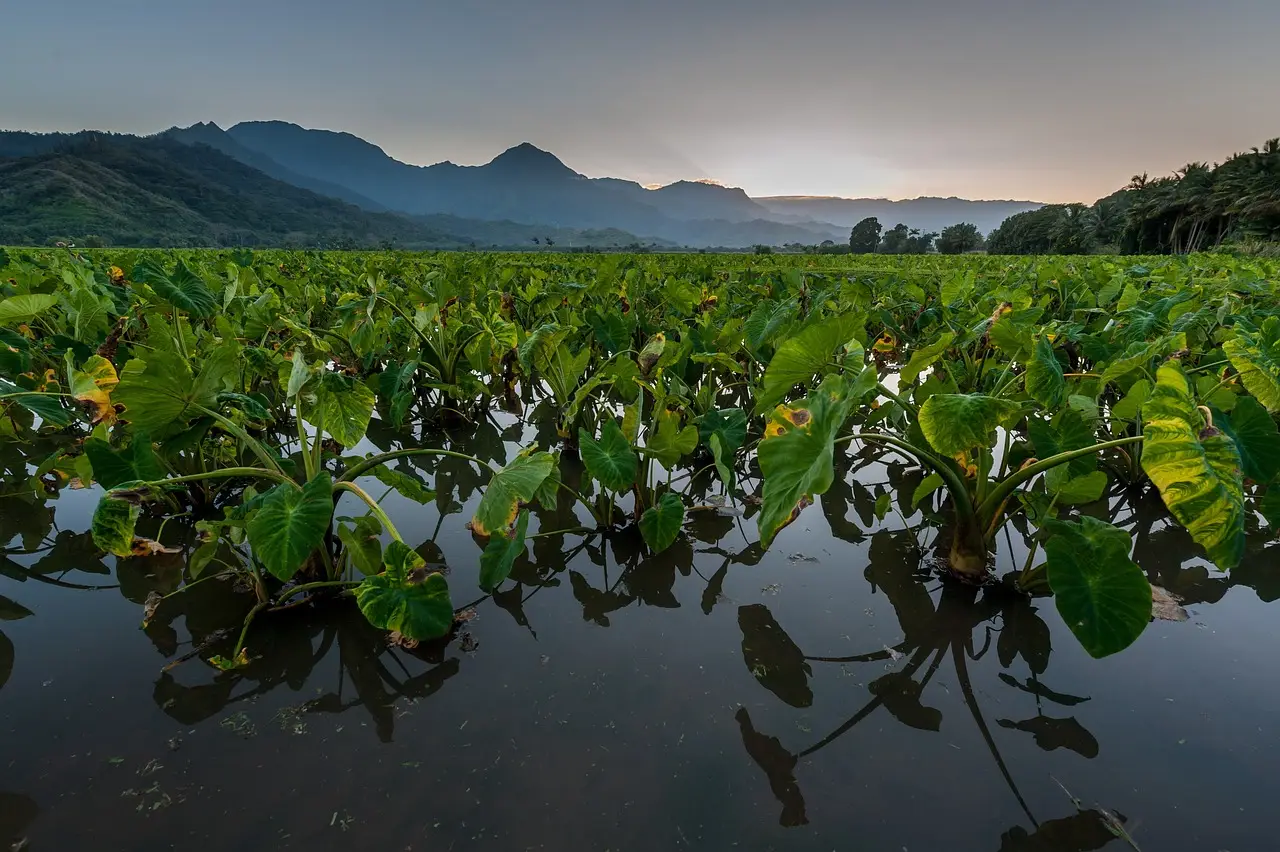
What is happening with taro?
A parallel kalo project runs on the dryland side of the farm. Students receive hands-on instruction in dryland taro cultivation, propagation and soil care, while practicing traditional values such as kuleana, laulima and aloha 'āina.
"The farm is currently cultivating more than 50 varieties of kalo," Spencer said. The huli — cuttings suitable for planting — will be shared with the community and planted in future farm cycles to perpetuate the crop's diversity. According to Spencer, the project supports Molokai's food sovereignty and strengthens the intergenerational transmission of 'āina-based knowledge and practices.
The community marked both crops last month at the Niu & Kalo Festival weekend. It opened with a "Celebrating Kalo" event run with Sustainable Molokai. The program featured ku'i kalo (poi pounding), a huli exchange, kalo tasting, keiki activities, music, and a kalo poke demonstration by Chef Sam Choy. About 200 community members, cultural practitioners, students, educators and partner organizations attended the Saturday gathering.
"It was a day dedicated to celebrating the history, cultural significance, use, protection, and perpetuation of these two important ancestral plants," Spencer said, "with something for everyone from keiki to kūpuna."
Who is joining the entrepreneurship program?
A new Agricultural Entrepreneurship program launched this fall. It combines hands-on farm training with business education. Students practice sustainable crop production, greenhouse and nursery management, irrigation, equipment operation, food safety and internships, while building skills to start or support a farm-based enterprise. The college says the program aims to develop the next generation of local farmers and agriculture entrepreneurs while strengthening Molokai's food system, food security and agricultural resilience.
Kurt Go is one of the first cohort's students. He first connected with the Molokai Education Center in 2021 at a construction technology open house. In 2025, he was one of only three adult students to graduate with an Associate in Applied Science degree in Construction Technology. He used those skills to remodel an old greenhouse and revive a home garden.
"The rising prices of groceries and shipping costs have prompted my wife and I to consider growing our own produce," Go said. "This cohort will provide me with the necessary knowledge and skills to start a home garden and possibly a small business."
Kanoe Dudoit, another cohort member, grew up off-grid on Molokai. "Hunting, fishing and growing fruits or vegetables were always part of everyday life," she said. "When I saw the AG Entrepreneurship cohort, I felt it would be the perfect fit and boost I needed to finally break ground."
Dudoit credits the center, CTAHR and Molokai Farm with hands-on training that included a Harvest 2 Market cohort, static hydroponics instruction and a take-home mini greenhouse. Her stated goal is to use much of her homestead to build a sustainable lifestyle for her family and the island.
The scale remains small — three construction graduates, one cohort, 1,200 seedlings — but the pipeline connects crop diversity, food costs and business training on an island where imported groceries carry high shipping costs.
Original: maui.hawaii.edu
More from Daniel Okafor
Show full bio
Correspondent covering money, funding and market shifts around entrepreneurship, startups and venture funding at Business Bearings.
1,079 articles