NTT and SSC Space to Study Global Laser Network for Satellite Data
NTT and SSC Space signed an MOU on November 11 to study a global laser ground-station network. Stations in Australia and Chile offer up to 10 Gbps each — if clouds don't block the link.
By Amara Osei
4 min read
What's News
- NTT and SSC Space signed an MOU on November 11 to study a global optical ground-station network.
- SSC Space's stations in Australia and Chile offer stated capability of up to 10 gigabits per second each.
- The agreement covers interoperability and commercial requirements, not a joint service launch.
- NASA's Laser Communications Relay Demonstration used ground stations in California and Hawaii to hedge against cloud cover.
NTT and SSC Space signed a memorandum of understanding on November 11 to study whether optical ground stations in different countries can operate as one network for high-speed satellite data delivery. The agreement covers interoperability and commercial requirements — not the launch of a joint service. Neither company has named a first mission, a service start date or an availability target.
The problem the two companies want to solve is weather. Optical downlinks can outpace radio, but a single station stays vulnerable to cloud cover. A spacecraft with a fast laser downlink can still miss its transmission window if the receiving telescope sits under heavy cloud — a constraint that bites hardest in low Earth orbit, where a satellite moves in and out of a given station's view quickly.
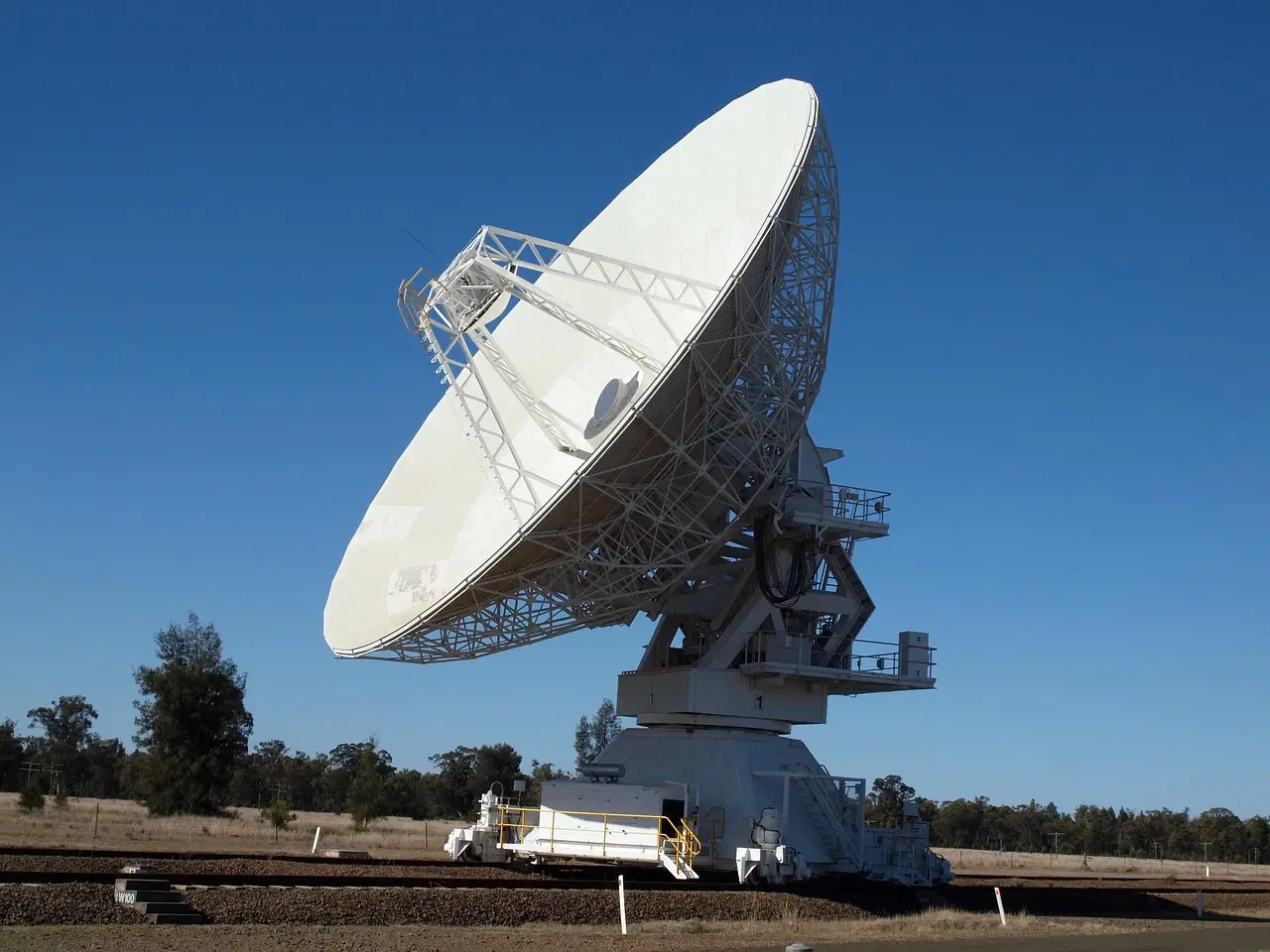
SSC Space's stations in Australia and Chile offer stated capability of up to 10 gigabits per second each, and that figure anchors the technical starting point of the study. Both sites sit at existing radio-frequency facilities, with access to terrestrial fiber and the option to support both radio and optical links. The 10 Gbps figure describes the stations' stated capability, not the expected performance of any proposed joint service.
What does each company bring?
The partnership splits cleanly along the network line. NTT supplies optical networking and network control expertise. SSC Space operates satellite ground infrastructure and brings experience coordinating ground-station operations across sites.
The first phase of the study covers market needs, technical compatibility, geographic coverage and links to terrestrial networks. The core technical question: whether a satellite can send data by laser to stations running on different systems, and how those stations can pass the data into terrestrial networks.
The real test, as the companies frame it, is whether an operator can use more than one station without building a separate integration for each site — and whether that flexibility reliably shortens the wait for data when a planned contact falls through.
Why clouds force a multi-station design
A satellite can collect more data in a pass than it has time to transmit to Earth. Optical links move more data during a contact window than radio, but they demand precise pointing and a clear enough path through the atmosphere. One answer is to spread stations across regions with different weather: if a suitable station is in view and clear, an operator routes the contact there instead of waiting for another pass over the cloudy site.
NASA's Laser Communications Relay Demonstration illustrates the approach. Its optical relay connected to ground stations in California and Hawaii, both chosen for high altitude and low cloud cover. The experiments found some thin high clouds were tolerable, but still reinforced the case for having more than one place to receive a signal.
Connecting the telescope to the data center
NTT has also been working on what happens after a station receives the signal. In a separate agreement with Cailabs, it said it would study connecting selected ground stations to nearby data centers through its All-Photonics Network and coordinating both ground-station and terrestrial-network resources.
The SSC Space agreement is narrower in scope than NTT's separate lunar work with ispace, which includes power transmission. This deal addresses only receiving data from spacecraft and getting it onto networks on Earth.
What it could mean for Earth observation
For users of satellite imagery, the measure that matters is the time between an image being captured and its arrival in software that can use it. A higher peak downlink rate helps when the link is available; a reliable choice of stations matters when a satellite holds new imagery but the planned receiver can't see through the clouds.
NASA's work using satellite data and machine learning to forecast flash floods shows why timely delivery counts. That project doesn't use the proposed NTT–SSC Space network, and neither company announced an AI system as part of the agreement. The connection sits upstream: the sooner a ground network delivers useful observations, the sooner forecasting and analysis tools can process them.
The study's outcome will hinge on integration, not speed. If operators must build a separate interface for every station, the multi-site pitch loses its economics. If one network absorbs the differences, satellite operators gain a hedge against weather that radio alone never needed.
Source: unite.ai
More from Amara Osei
Show full bio
Senior reporter covering companies, deals and strategy in entrepreneurship, startups and venture funding at Business Bearings.
2,422 articles