Nvidia Rebounds 6% as AI Stocks Recover From Trillion-Dollar Rout
The Nasdaq opened up 1.23% on Friday, reversing part of a 5.5% plunge, as Nvidia rebounded 6% after shedding hundreds of billions in market value on Thursday.
By Amara Osei
3 min read
What's News
- The Nasdaq fell 5.5% on Thursday, wiping trillions off stock values, then opened up 1.23% on Friday.
- Nvidia slid more than 9% on Thursday, losing hundreds of billions in market value, then rebounded more than 6%.
- US employers added 165,000 jobs in October, more than double analyst expectations; unemployment eased to 4.1%.
- Democrats won control of both houses of Congress after campaigning on AI and data centre regulation.
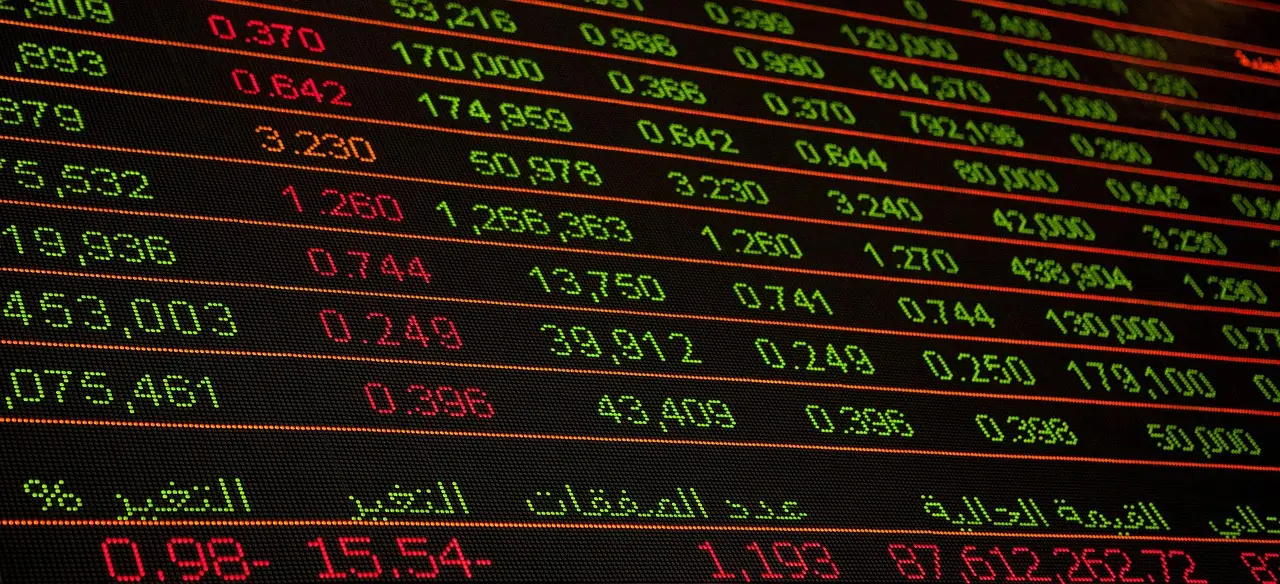
The Nasdaq Composite opened up 1.23% on Friday and kept gaining, clawing back part of the 5.5% plunge it suffered in Thursday's sell-off that wiped trillions of dollars off stock values. Shares in artificial intelligence and technology firms led the recovery, bouncing after a rout that began in the US before spilling into Asian and European markets.
Nvidia, which shed hundreds of billions in market value on Thursday when its shares slid more than 9%, began Friday trading up more than 6%. Tesla shares, also hammered a day earlier, gained nearly 3%. SpaceX saw the stronger move of the two, up more than 7% in early trading.
The S&P 500, home to the largest publicly traded US companies outside the technology sector, opened slightly higher. The Dow Jones Industrial Average opened a little lower. The moves left American markets painting a mixed picture on Friday morning.
Why did tech stocks sell off?
Investors dumped tech shares partly on concerns that the Democrat victory in the midterm elections would slow artificial intelligence development. A number of Democrats campaigned for new rules and regulations for AI and data centres. The party has since won control of both houses of Congress as well as key contests in states that have been part of the AI data centre race.
US President Donald Trump on Friday reiterated his support for what he calls "super intelligence", saying only "foolish leadership" would "say no to the riches they bring".
Investor unease runs deeper than politics, though. Traders have also questioned whether the enormous amounts of money being spent on AI will actually pay off. That concern fed directly into Thursday's trillions-of-dollars wipeout.
What did the jobs report show?
US employers added 165,000 new jobs in October, more than double what analysts had expected and well above the average monthly increase. The unemployment rate eased slightly to 4.1%, down from 4.2% in September, according to the Bureau of Labor Statistics (BLS).
The BLS said the unemployment rate has stayed in a narrow range of 4.1% to 4.3% since March. The professional and business services sector led the hiring, adding 70,000 jobs. Healthcare added 42,000, and transportation, warehousing and manufacturing also gained jobs.
Neil Birrell, chief investment officer at investment firm Premier Miton, said the jobs figures may feel like second billing to the market movements but they still matter. "The US economy is running hard which may mean the risks the markets are worrying about at the moment are not such a risk to the real economy as is being feared," he said.
What comes next for investors?
Traders now face two storylines at once: digesting the jobs numbers and pricing the fallout from the midterms and the AI stock plunge. Friday's rebound has reversed only part of Thursday's damage, and the regulatory direction of a Democrat-controlled Congress toward AI and data centres remains the open question hanging over the sector.
Source: BBC Business
More from Amara Osei
Show full bio
Senior reporter covering companies, deals and strategy in entrepreneurship, startups and venture funding at Business Bearings.
1,532 articles