Nvidia’s Nearly $700 Billion Hit Fuels an AI Meme Boom
Nvidia lost nearly $700 billion since the reveal of Jensen Huang’s affair with an alleged Chinese spy. AI-generated memes now showcase the GPUs at the center of the scandal.
By Nathan Brooks
4 min read
What's News
- Nvidia’s market value fell by nearly $700 billion after the affair became public.
- The stock plunged 17.5% over five days.
- Nvidia opened an investigation, and a new lawsuit added to the scrutiny.
- Four AI music recreations center on Huang or Alice Huang, spanning Shaggy, ROSÉ and Bruno Mars, Drake, and George Michael.
- A post featuring “Jensen and his two ladies” was dated November 10, 2026.
By Nathan Brooks
Fast Company reported that Nvidia’s market value has fallen by nearly $700 billion since the reveal of an affair involving CEO Jensen Huang. The stock had plunged 17.5% over five days, while a new lawsuit added to the scrutiny. Huang has admitted an extramarital relationship with Alice Huang, a Chinese businesswoman suspected of spying for the Chinese government.
Fast Company reported that the two are unrelated despite their shared surname. The suspected spying could compromise sensitive information inside Nvidia, whose technology powers the AI boom. Nvidia has opened an investigation into Huang and the spying allegations.
Fast Company reported that the scandal has escaped the confines of Silicon Valley and become a source of AI-generated entertainment. Social-media creators are casting Huang, his wife and Alice Huang in hyper-realistic videos inspired by pop culture, without their consent. The output ranges from music videos to short films.
One video posted to X has Huang singing Shaggy’s Wasn’t Me. Jeff Bezos, Richard Branson and Elon Musk join him, belting the line “wasn’t me.”
Another pairs Huang with Alice Huang in a pink-background recreation of the viral ROSÉ and Bruno Mars APT video, complete with exaggerated singing. Huang and Alice Huang also appear in AI recreations of Drake’s Hotline Bling and George Michael’s Careless Whisper.
A post by The SI Maximalist featuring “Jensen and his two ladies” was dated November 10, 2026. Creators have built an unofficial film universe around the affair, Fast Company reported.
Fast Company documented creators inserting Huang into a scene from You Can See Everything, reimagining the viral “why would I deceive you” exchange between Nathan Fielder and Elizabeth Holmes. The scene references include the elevator scene from (500) Days of Summer, made famous by Joseph Gordon-Levitt and Zooey Deschanel, and a viral club scene from Three Steps Above Heaven.
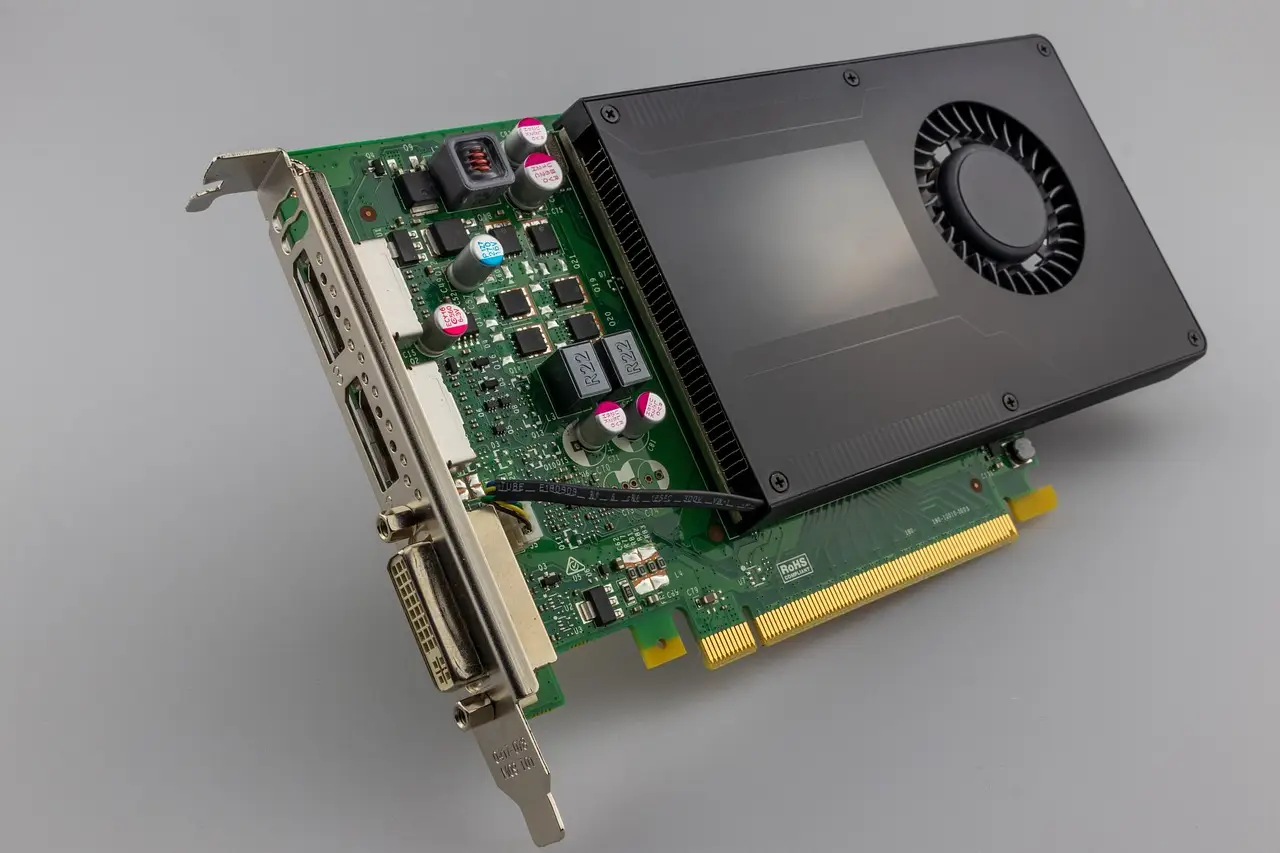
The irony runs through the production stack. Fast Company said generating detailed videos of real people depends on the powerful GPUs Huang helped create and scale. Creators often use Nvidia technology even when they do not select it.
“Whether someone uses a cloud tool or runs a model on their own machine, the heavy lifting is usually completed by Nvidia GPUs, simply because that’s the hardware that most AI software is built to run on,” Ricardo Amper, CEO of AI identity verification company Incode Technologies, told Fast Company. Amper sees Nvidia as the default compute layer.
“Most people making AI videos never touch a GPU. They open a browser, type a prompt or upload a photo,” says Michael Bismuth, cofounder of AI-production studio Cuz. That gap between the user interface and the underlying silicon lets creators use Nvidia hardware without knowingly choosing it.
Fast Company also reported that some creators are using the scandal to advertise their own AI products. One cofounder created a microdrama inspired by the affair, turning the controversy into a promotional vehicle.
Sophia Xing, founder of AI microdrama production platform PlotParty, posted a microdrama made with the software. Its script used the clichés of the genre, including a revenge arc, and carried the overly long, descriptive title I Divorced My Trillionaire Husband and the God of Compute Let Me Respawn at 19. The post doubles as a product demonstration for PlotParty.
What does this change for creators and Nvidia?
For creators, the practical change is that a fast-moving personal scandal can supply both a ready-made narrative and an audience for an AI product. PlotParty’s post shows how creators can promote a startup with a topical story while their tools run on Nvidia hardware.
For Nvidia, the change is reputational. Its GPUs enable realistic videos that place Huang at the center of an espionage narrative, even when creators never knowingly select the chipmaker’s technology. That gives Nvidia a visible role in a controversy tied to its own CEO.
Michael Bismuth put the irony directly: “Nvidia’s chips are the engine behind almost every fake video on the internet. The company that made AI video possible is now one of its targets.” The quote captures a shift from invisible infrastructure to conspicuous association.
Going forward, the more consequential test is whether demand for Nvidia’s GPU-powered AI tools can remain insulated from the reputational cost of realistic, nonconsensual depictions of its own executives.
Original: x.com
More from Nathan Brooks
Show full bio
News editor covering regulation, policy and their impact on entrepreneurship, startups and venture funding at Business Bearings.
2,030 articles