Olo's New App Undercuts DoorDash and Uber Eats on Menu Prices
Olo's new app charges in-store menu prices and picks the cheapest courier among 27 services, claiming 15%-30% savings on delivery orders from 800 brands.
By Olivia Hart
3 min read
What's News
- Olo's new app charges in-store menu prices, which the company says saves customers 15% to 30%.
- The app dispatches drivers from 27 delivery services, including DoorDash, Grubhub, and Uber, across about 800 restaurant brands.
- About 40 million customers have created Olo accounts, and the company processes roughly 3.5 million orders daily.
- Thoma Bravo acquired publicly traded Olo in 2025.
- Olo is building a protocol to accept orders placed by AI agents.
Olo says its new delivery app saves customers 15% to 30% by charging the same menu prices diners pay in-store — while using drivers from DoorDash, Uber, and Grubhub to move the food. The company does not employ a single courier of its own. That asymmetry is the entire strategy.
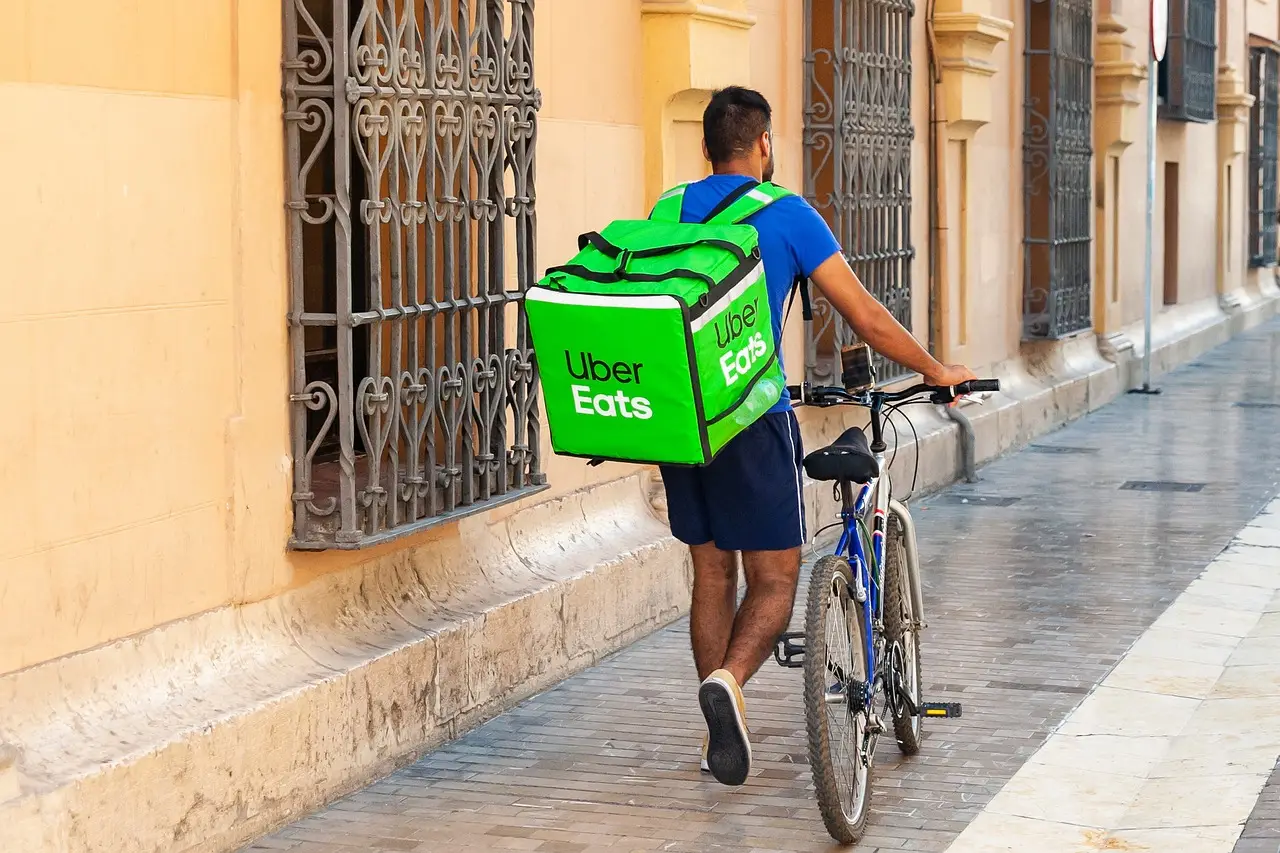
Last month, Olo unveiled a consumer app for ordering food delivery across roughly 800 restaurant brands. Behind its own ordering interface, the app dispatches workers drawn from 27 delivery services, including DoorDash, Grubhub, and Uber.
When an order arrives, Olo checks which drivers are available and what each service would charge to deliver it, CEO and founder Noah Glass told Business Insider. The system then routes the order to the cheapest capable option.
"We're finding the best option at that moment," Glass said.
What does the pricing model change?
The pricing claim targets a well-documented irritant: many third-party delivery apps mark up menu prices above what walk-in customers pay. Olo's app charges the same prices as in-store orders. According to the company, that saves customers between 15% and 30% per order.
Glass argues the markups have distorted how diners perceive restaurant prices. Many customers "just look at the menu price and say, 'Wow, restaurants have gotten way more expensive all of a sudden,'" he said.
The claim deserves scrutiny. Olo supplied the 15%-to-30% savings figure itself, and the company did not break out how delivery fees, tips, and service charges affect the final receipt. In-store menu parity is not the same as total-cost parity.
The pitch lands amid genuine consumer strain. Rising food costs have pushed some diners to cut back or chase meal deals at chains like McDonald's, which makes any promise of removing markups more appealing — though appealing promises in delivery have historically come with fine print.
Why does Olo already have scale?
Olo is not a startup guessing at demand. The company has spent most of the past two decades running ordering and payment systems for restaurants. Glass compared Olo's role to Shopify's role for online sellers: backend infrastructure that brands rely on but customers rarely see.
That plumbing gives Olo a ready-made user base. The company handles ordering for hundreds of restaurants through their own apps and websites, from Panda Express to Five Guys. About 40 million customers have created Olo accounts by ordering through those restaurants, Glass said.
The new app turns those fragmented accounts into a single destination. "They've gone to Waffle House, and they've ordered and created an account," Glass said. "They can now go to any of the other brands that use Olo accounts as a login mechanism."
The platform handles delivery and pickup orders alike. Most of the roughly 3.5 million orders Olo processes daily are takeout, Glass said. Olo was publicly traded until private equity firm Thoma Bravo acquired it in 2025.
Can Olo compete with consolidating giants?
Olo is entering the market as its delivery partners-turned-rivals consolidate. DoorDash, already dominant in restaurant delivery, has agreed to acquire grocery-focused Instacart in a deal that would extend its reach further into food delivery. Walmart now uses its own delivery workers to bring customers restaurant meals alongside weekly grocery orders.
Competing against those players without owning a driver network is a deliberate bet that software and price transparency can beat scale. The incumbents control the courier supply Olo depends on, and nothing prevents them from changing terms for the aggregator's dispatch model.
Glass is also building for a market that barely exists yet. Olo is developing a protocol to accept orders from AI agents, and he argues Olo's price advantage could stand out as agents decide which app to place an order on.
Order volumes through AI agents remain low today. Glass said they could nonetheless become "another COVID-like or maybe even larger wave" of orders — a projection, not a measured trend.
Olo's model lives or dies on whether in-store pricing plus smart dispatch beats the incumbents' bundled ecosystems. The company has 40 million accounts and 3.5 million daily orders to test that thesis.
Source: feeds.businessinsider.com
More from Olivia Hart
Show full bio
Staff writer covering people, launches and day-to-day practice in entrepreneurship, startups and venture funding at Business Bearings.
2,011 articles