One Router, 18,000 Cancellations: U.S. Tech Faces Upgrade Strain
More than 18,000 U.S. flights were canceled over three days after one router installation in Arkansas. Email, banking and flight outages point to aging systems, not proven AI attacks.
By Olivia Hart
3 min read
What's News
- A single router installation at a remote Arkansas facility triggered Friday's nationwide ground stop and more than 18,000 flight cancellations over three days.
- The five-day outage wave disrupted email, flights and access to bank accounts.
- Microsoft attributed its outage to an issue during a network capacity upgrade.
- On Monday, a JPMorgan Chase software glitch disrupted transactions for customers of other major banks.
- Third-party providers accounted for roughly two-thirds of publicly reported IT outages over nine years.
By Olivia Hart
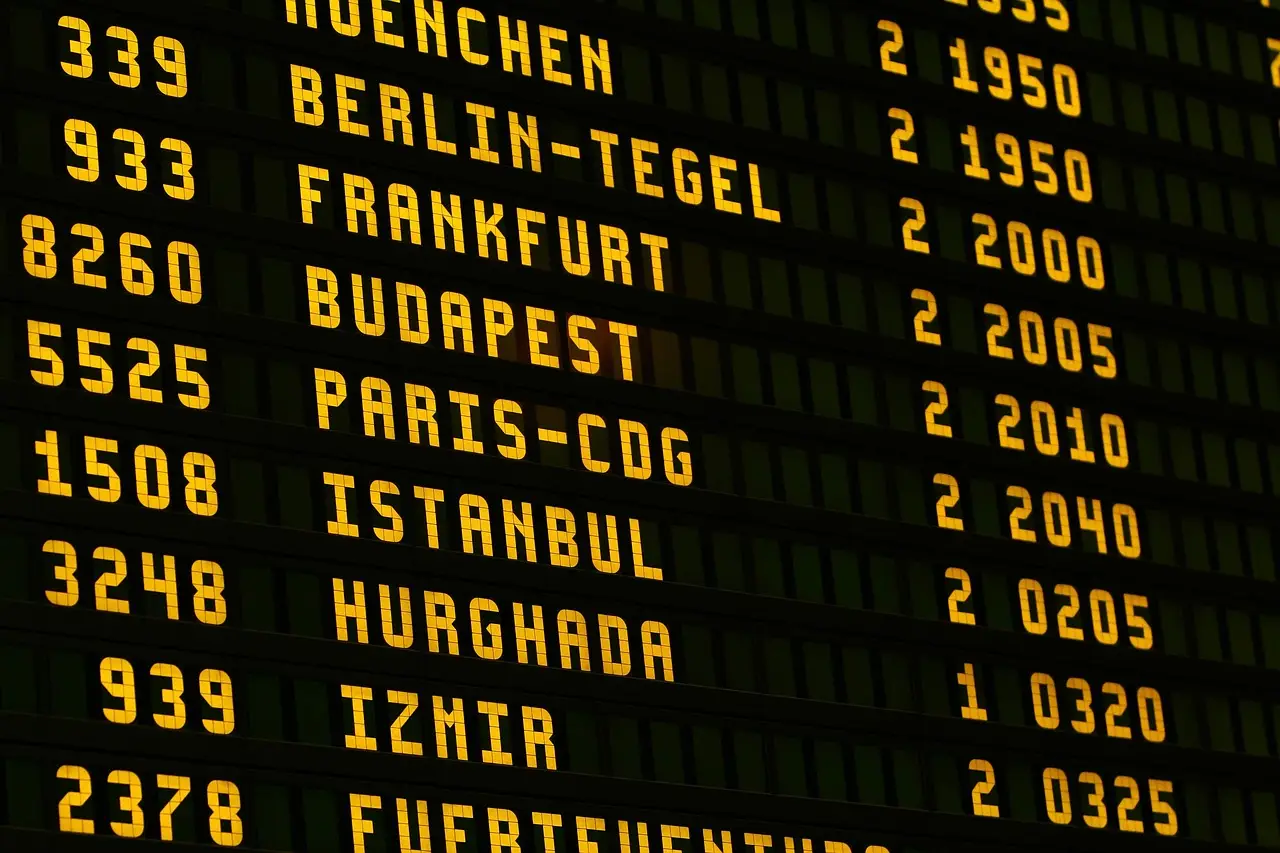
Reuters reported that one router installation at a remote Arkansas facility triggered more than 18,000 U.S. flight cancellations over three days, averaging more than 6,000 a day.
The five-day string of high-profile technology outages left Americans struggling to send emails, catch flights and access bank accounts, Fast Company reported. The disruption raised concern about AI-powered cybersecurity threats. Yet Fast Company's central finding points to a less exotic risk: outdated corporate technology.
What made the disruption wave so broad?
Reuters described Friday's action as a nationwide ground stop and linked it to the router installation at the remote Arkansas site. The Federal Aviation Administration (FAA) was among the three organizations named in the outage sequence.
On Monday, a software glitch at JPMorgan Chase disrupted transactions for customers of other major banks, the Associated Press reported. Those banks' own computer systems were operating normally, according to AP. The incident showed that one bank's software failure can affect customers of otherwise healthy banks.
A recent Uptime Institute report found that third-party technology providers accounted for roughly two-thirds of publicly reported IT outages over the past nine years. That is about two of every three cases in the period, according to the digital infrastructure advisory firm. The statistic does not establish that a third party caused any of the three incidents described here.
Takeaway: Small technical changes and shared dependencies can create disruption far beyond the organization where the failure begins.
Is AI behind the disruptions?
The New York Post quoted Marva Bailer, CEO of tech advisory firm Qualaix, about outages involving JPMorgan Chase, the FAA and Microsoft. Bailer said such failures can occur when computer systems undergo major upgrades. She also said bolting new technology onto existing systems can leave them vulnerable.
That account identifies upgrade risk, not a proven AI cause. Fast Company said it remains unclear whether the recent outages were directly related to AI, although many organizations are currently upgrading networks to handle AI tools.
Microsoft attributed its outage to an issue that arose during a network capacity upgrade, the Financial Times reported. The New York Post also reported that AI lets companies identify software vulnerabilities much faster. It may leave IT workers with too much work on their hands, the report said.
Takeaway: AI increases both the demand for upgraded networks and the workload for IT teams, but no cited evidence proves it caused the outages.
Why do upgrades fail during peak demand?
Bailer told The New York Post that holiday shopping and travel add volume and pressure precisely when technicians are trying to complete system updates. “It’s holiday time, it’s travel time, it’s shopping,” Bailer told The New York Post. “So, you have all those higher spikes in volume and more pressure to [update your systems].”
U.S. Homeland Security Secretary Markwayne Mullin offered a similar explanation in a CNBC appearance. “[They’re] pushing new technology on top of really old computer systems, and it just seems to overwhelm the system,” he said.
Fast Company's broader conclusion is that cutting-edge technology often remains dependent on centralized, aging systems. Neither Bailer nor Mullin supplied an incident-level root-cause finding for every disruption. The pattern is plausible rather than a universal diagnosis.
Takeaway: Peak traffic can expose weak architecture and rushed upgrades, but it cannot replace incident-specific investigations.
What happens during the next peak?
The holiday shopping and travel season could add pressure as technicians rush to ready systems, Fast Company reported. Fast Company's modernization thesis makes the next test clear: whether companies and agencies modernize underlying infrastructure and sequence upgrades before another volume peak.
Absent fuller root-cause findings, the modernization diagnosis remains an informed explanation rather than a final verdict.
Takeaway: The next holiday surge will show whether companies and agencies treat these outages as an architecture problem, an AI problem, or both.
Original: reddit.com
More from Olivia Hart
Show full bio
Staff writer covering people, launches and day-to-day practice in entrepreneurship, startups and venture funding at Business Bearings.
2,301 articles