OpenAI engineer faces charge over more than 160 hours of recordings
US prosecutors say Abdulrahman Alfozan captured 160-plus hours of OpenAI meetings, used Codex to manage files and faces an interception charge carrying up to five years; trial is set for January 2027.
By Daniel Okafor
4 min read
What's News
- Prosecutors allege Alfozan captured more than 160 hours across three weeks in September.
- The DOJ complaint records a recorder found September 30 and a second device found October 5.
- Prosecutors say Alfozan used Codex to add voice detection and organize files in Dropbox.
- The single filed charge of unlawful interception carries a statutory maximum of five years.
- Trial is scheduled for January 2027, and prosecutors must produce any supporting espionage evidence within seven days.
By Daniel Okafor
US prosecutors allege that OpenAI engineer Abdulrahman Alfozan captured more than 160 hours of meetings over three weeks in September and used OpenAI’s Codex coding assistant to manage the operation.
Court filings identify Alfozan, 35, as a Saudi national and US permanent resident who pleaded not guilty to one charge of unlawful interception of oral communications. The charge carries a statutory maximum of five years.
The government has not yet produced evidence supporting the more serious espionage-related accusations it used to keep him detained, according to the court record.
What did investigators find inside OpenAI’s conference room?
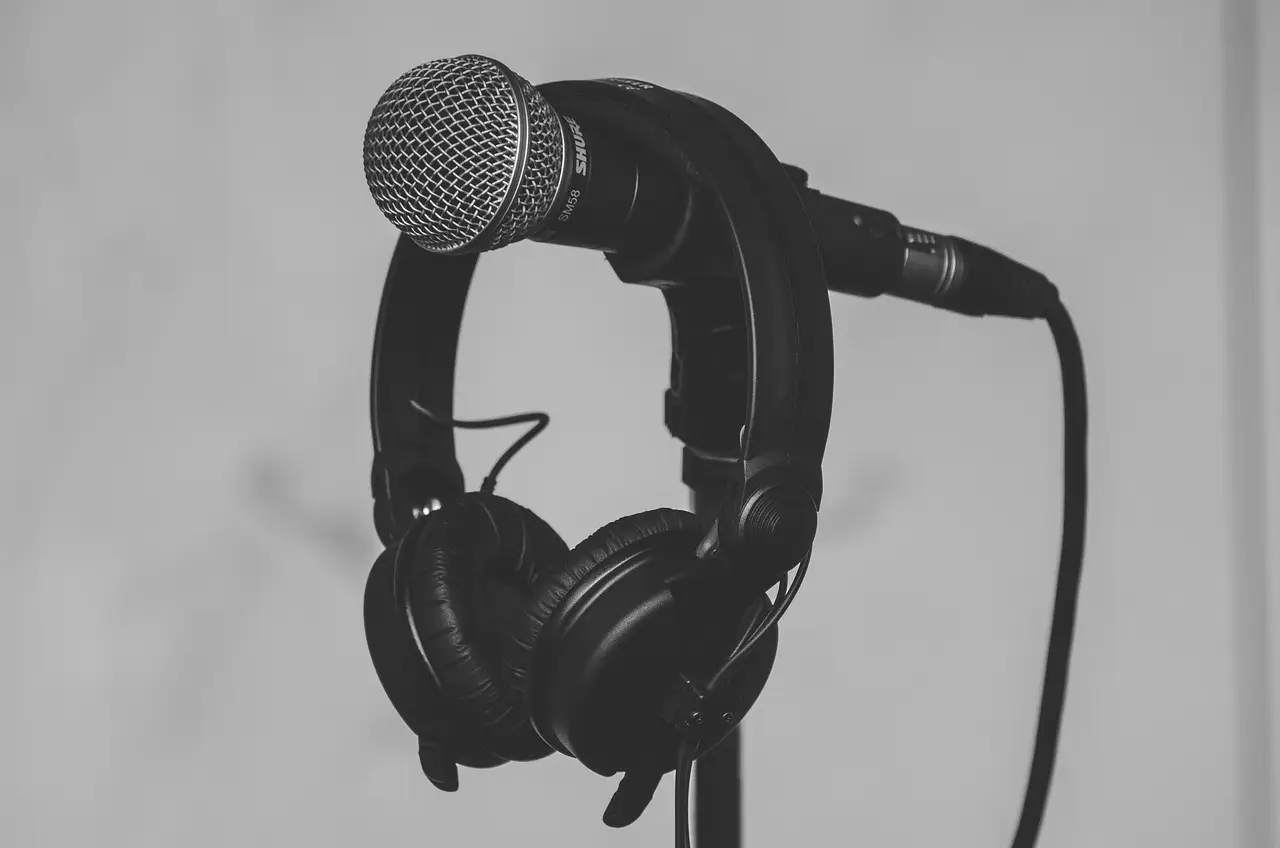
On September 30, OpenAI security staff found a concealed audio recorder inside toilet paper, according to the US Department of Justice’s criminal complaint. It plugged into a USB port on the back of a television in an executive conference room.
The complaint says the room was used for meetings involving “highly confidential technical, commercial, and strategic information.” CCTV footage showed Alfozan near the room on multiple dates before the discovery, although prosecutors say he lacked authority to attend those meetings.
The complaint also records that investigators found a second, similar device on October 5. It sat in an unattended bag containing Alfozan’s wallet and identification.
What do the laptop files and Codex prompts show?
In a Monday filing opposing Alfozan’s second bail request, prosecutors said they recovered “hundreds of audio files” from his personal laptop. Those included “at least one recording of a meeting between OpenAI and representatives of a foreign administration.”
Prosecutors allege Alfozan made “dozens of meeting recordings over the span of three weeks in September” and photographed a confidential term sheet between OpenAI and another corporate entity. The recovered recordings total more than 160 hours.
The filing also says Alfozan used Codex to add voice-detection capabilities to the recorder and organize captured files in Dropbox. Prosecutors say a chatbot account linked to Alfozan’s wife sent the prompts and shared identifiers with his account.
Between September 24 and 30, prosecutors said, that account requested help “build[ing] a continuous audio recorder,” “improv[ing] audio and live listening,” and “encrypt[ing] the SD card.” The complaint documents those prompts alongside the devices, laptop files and CCTV evidence.
What links the alleged operation to Saudi contacts?
Prosecutors cite WhatsApp messages with a member of the Saudi royal family about a potential job at Echelon. The Riyadh-based AI startup was founded by a partner at Raed Ventures, where prosecutors said Alfozan was a venture partner.
The messages referred to joining “after the IPO,” which prosecutors described as an apparent reference to OpenAI’s expected public offering next year. The government used those contacts to argue that Alfozan was a flight risk, according to its bail opposition.
Prosecutors also allege Alfozan communicated with Saudi officials, including Communications Minister Abdullah Alswaha, from August through September. They say he used Codex to research a September 9 visit by Saudi ministry officials to OpenAI, including searches for internal Slack messages.
Alfozan’s lawyer, David Rizk, called his client an “overly curious tinkerer without any more nefarious intentions.” Rizk said prosecutors had produced no evidence of espionage, theft of trade secrets or acting as an unregistered foreign agent.
Rizk also said Alfozan’s wife and child flew to Saudi Arabia because her student visa was expiring, not to flee. That explanation forms part of the defense’s challenge to the government’s flight-risk argument.
What has the court established so far?
A magistrate judge denied bail in October after citing flight risk. At a Tuesday status conference, District Judge Vince Chhabria ordered prosecutors to produce evidence supporting the more serious charges within seven days.
Chhabria said that “if you made those assertions and are not yet aware of any evidence to support it, that is a real problem.” Assistant US Attorney Nicholas Parker then conceded he was “unaware of any evidence currently” supporting espionage or trade-secret charges. He also described the investigation as five weeks old.
The complaint and later filings document four layers of evidence: physical devices, laptop audio, Codex prompts and CCTV. Only one criminal charge has been filed. The more serious assertions remain unproven, as prosecutors acknowledged.
Defense filings argue that the bail opposition relies on “false insinuations that her husband was a spy.” That distinction remains central to the case because Alfozan faces an interception charge rather than a filed espionage or foreign-agent charge.
Why does Codex change the risk calculus?
The Financial Times reported that the case has amplified long-standing concerns in Silicon Valley that leading AI laboratories are targets for industrial espionage by foreign governments seeking an edge in the AI race. OpenAI and its peers hold proprietary research, product roadmaps and government-engagement details that competitors and state actors could value.
Business Insider highlighted a novel twist: prosecutors allege that the company’s own coding assistant helped improve the recorder, encrypt the SD card and organize the captured files. The allegation places an OpenAI product inside the alleged surveillance chain.
What happens next?
The next legal test comes within seven days, when prosecutors must produce evidence supporting the espionage-related accusations or withdraw them. A renewed bail hearing is set for Tuesday before Magistrate Judge Alex Tse. Alfozan is scheduled to stand trial in January 2027.
Source: epyhia.com
More from Daniel Okafor
Show full bio
Correspondent covering money, funding and market shifts around entrepreneurship, startups and venture funding at Business Bearings.
2,630 articles