OSHA Hits Banneton Bakery With $340,479 in Penalties Over Conveyor Injuries
OSHA proposed $340,479 in penalties against Banneton Bakery after two workers were injured cleaning the same moving conveyor; staffing agency Idalia's faces $10,641 for training failures.
By Nathan Brooks
4 min read
What's News
- OSHA proposed $340,479 in penalties against Banneton Bakery LLC and $10,641 against Idalia's Staffing Agency
- Two workers were injured cleaning the same conveyor belt: an arm caught on April 28 and a broken arm in January 2026
- Banneton received two willful violations for lockout/tagout failures plus three serious violations including ladder hazards
- Idalia's Staffing Agency was cited for not ensuring temp workers received lockout/tagout training
- Both employers have 15 business days to comply, request an informal conference, or contest the findings
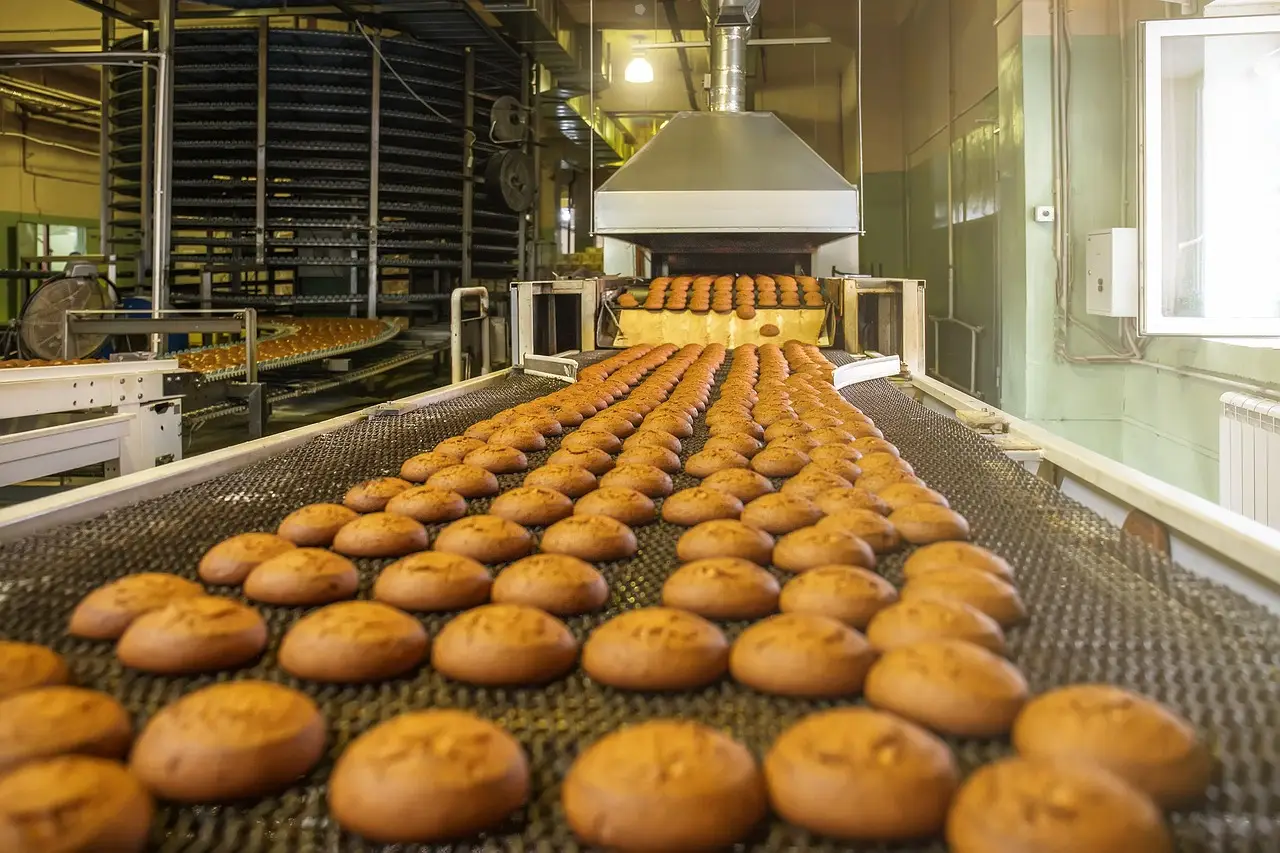
OSHA has proposed $340,479 in penalties against New Jersey pastry maker Banneton Bakery LLC after two workers were injured cleaning the same moving conveyor belt — one of them with an arm caught in the machinery.
The federal agency announced the citations following an investigation at the company's Swedesboro facility. A second employer, Vineland-based Idalia's Staffing Agency, faces $10,641 in proposed penalties for its role in the incidents.
The combined exposure of roughly $351,000 makes this one of the more expensive enforcement actions of its kind for a mid-size food manufacturer. For context, that's more than 30 times the median OSHA fine — and the willful-violation designation matters as much as the dollar figure.
What happened at the Swedesboro plant?
According to OSHA, investigators responded on April 28 to an incident at Banneton Bakery in Swedesboro. They found that an employee provided to the bakery by Idalia's Staffing Agency got an arm stuck while cleaning a moving conveyor and required medical treatment.
That wasn't the end of it. During the investigation into the April incident, OSHA learned of a similar event that occurred in January 2026, in which an employee was cleaning the same conveyor belt and suffered a broken arm because the machinery was not locked out during the cleaning.
Two injuries. Same machine. Same root cause — no lockout. That pattern is exactly what turns a routine citation into a willful one.
Why the penalty is so large
OSHA cited Banneton for two willful violations: failing to develop and use lockout/tagout procedures, and failing to provide adequate training to ensure employees understood the purpose and function of energy control programs.
A willful designation means OSHA believes the employer either knew the requirement existed and ignored it, or showed plain indifference to worker safety. It carries the steepest per-violation penalties the agency can impose — and it's the number that plaintiffs' attorneys and insurers look at first when a workers' comp claim escalates.
The bakery also received citations for three serious violations:
- Neglecting to ensure side rails of a ladder extended at least 42 inches above the top access level
- Not protecting workers from falling through a ladderway floor hole
- Not using group lockout devices properly
The ladder findings suggest OSHA's inspectors went beyond the conveyor incident once they were inside the plant. That's typical: a machine injury opens the door to a facility-wide review.
What does this change for staffing agencies?
Here's the practical question for anyone in the temp-staffing business: Idalia's didn't own the conveyor, didn't run the plant, and still got cited. OSHA charged the agency with a serious violation for not ensuring temporary employees received training on using lockout/tagout procedures.
The lesson is straightforward. Host employers and staffing agencies share responsibility for temp-worker safety under OSHA's enforcement guidance. An agency that sends workers into a plant with hazardous machinery without verifying energy-control training is exposed — even when the hazard itself lives on the host's floor.
The $10,641 penalty is small next to Banneton's, but the citation itself is the precedent. Agencies should treat client-site lockout verification as part of placement due diligence, not the client's problem alone.
What happens next
Both employers have 15 business days from receipt of the citations to comply, request an informal conference with OSHA's area director, or contest the findings before the Occupational Safety and Health Review Commission.
Most employers in this position request the informal conference first — it's a chance to negotiate penalty reductions and abatement timelines without litigation. A contest is a longer road, and with two documented injuries on the same unlocked conveyor, Banneton's bargaining position on the willful citations looks difficult.
For food manufacturers, the takeaway isn't just about this one bakery. Lockout/tagout violations remain among OSHA's most-cited standards year after year, and cleaning operations — where workers physically interact with machinery — are where they bite hardest. Two arm injuries on one conveyor inside four months is what a missing energy-control program looks like in practice, and the $351,000 question is whether other operators will audit their own procedures before OSHA does it for them.
Source: insurancejournal.com
More from Nathan Brooks
Show full bio
News editor covering regulation, policy and their impact on entrepreneurship, startups and venture funding at Business Bearings.
2,358 articles