Pine Labs and Stripe merge online and in-store payments in Singapore
Pine Labs and Stripe will launch a unified online and in-store payments platform for Singapore retailers in November 2026, with Southeast Asian expansion planned for 2027.
By Daniel Okafor
3 min read
What's News
- Pine Labs and Stripe launch a unified commerce solution in Singapore from November 2026
- The platform combines Stripe's online payments with Pine Labs' in-store terminal network
- Merchants get instalment financing, pay-by-points, loyalty-linked payments, promotions and marketing tools in one view
- Pine Labs CEO B Amrish Rau said retailers expect a connected view across every touchpoint
- Expansion to other Southeast Asian markets is planned for 2027
Pine Labs and Stripe will launch a unified commerce platform for Singapore retailers in November 2026, merging online checkout and in-store terminals into one system. The two companies announced the partnership in a statement on Wednesday.
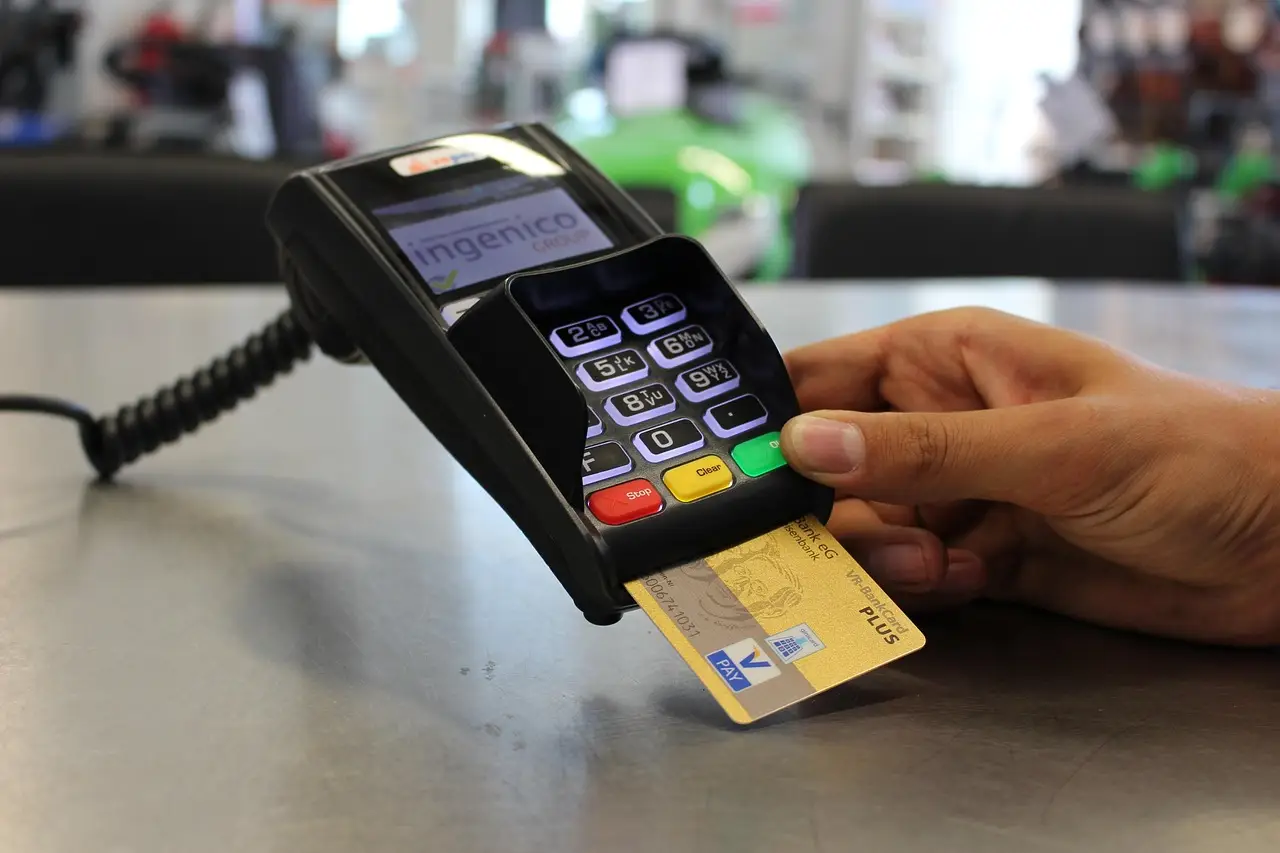
The deal pairs Stripe's online payment processing with Pine Labs' in-store infrastructure, including its network of physical payment terminals. For eligible retailers, that means one platform replaces two separate systems — one for the website, one for the counter.
What does the platform actually do?
The core promise is consolidation. Merchants get a single view of transactions across online and physical stores, instead of reconciling reports from disconnected providers. The companies said the integration aims to simplify payment management and cut the operational drag of running parallel systems for digital and physical sales channels.
The platform supports credit card, QR code and contactless payments across multiple Pine Labs terminal types. Beyond basic acceptance, merchants gain access to a set of commerce tools bundled into the same system:
- Instalment financing for customers
- Pay-by-points options tied to loyalty programs
- Loyalty-linked payments
- Merchant promotions and discount campaigns
- Digital marketing tools
That bundle matters for smaller retailers. They typically buy these capabilities from separate vendors and stitch them together with manual work. The Pine Labs–Stripe setup folds them into a single contract and a single dashboard.
Why the two companies joined forces
Pine Labs brings the physical footprint. The company operates in-store payment terminals across its merchant network, and that hardware layer is the hard part of any omnichannel play. Stripe brings the online rails. Its programmable financial infrastructure handles digital checkout, which is where most e-commerce volume in Southeast Asia runs.
Pine Labs CEO B Amrish Rau framed the move as a response to how retail has changed. "Retailers no longer think of e-commerce and physical stores as separate channels. They expect a connected view of payments, customer engagement and business performance across every touchpoint," Rau said.
He added: "By combining Stripe's online capabilities with our in-store commerce ecosystem, we are helping merchants simplify operations while creating more personalized and rewarding customer experiences."
The logic tracks with how Singaporean retail now operates. A customer might browse online, buy in store, redeem points at the counter and return the item through the website. Merchants have struggled to keep that loop coherent when each step sits on a different payments provider.
Why Singapore first?
Singapore serves as the launch market in November 2026, and the choice is deliberate. The city-state has one of the region's highest contactless payment adoption rates and a dense base of retailers running both online storefronts and physical locations. The payments market there is also crowded — Stripe already competes with local players, and Pine Labs faces established terminal providers.
A unified offering gives both companies a wedge. Stripe gets a path into in-store acceptance it does not own today. Pine Labs gets an online capability without building one from scratch. The partnership model lets each side sell the other's product into its existing merchant base.
What comes next?
The companies plan to expand the solution to other Southeast Asian markets in 2027, according to the joint statement. No specific target countries were named.
The regional roadmap puts the partnership on a collision course with incumbents that already sell omnichannel payments across Southeast Asia. If the November 2026 Singapore launch converts merchants at scale, expect the 2027 expansion to pressure single-channel providers in Indonesia, Thailand and Vietnam, where retailers face the same split-system problem Singapore's merchants do today.
Source: technode.global
More from Daniel Okafor
Show full bio
Correspondent covering money, funding and market shifts around entrepreneurship, startups and venture funding at Business Bearings.
1,564 articles