Purdue Opens 10,000-Square-Foot HIVE for Student Startups
Purdue University opened the 10,000-square-foot Purdue HIVE on Sept. 25, a Fisher family-backed hub for student-led, engineering-driven startups in West Lafayette.
By Olivia Hart
3 min read
Updated
What's News
- Purdue opened the roughly 10,000-square-foot Purdue HIVE on Sept. 25 in the Duncan Annex of the Max W & Maileen Brown Family Hall of Electrical Engineering.
- The hub was established through the AGE Fisher Family Foundation; donors Jeff and Edie Fisher are both Purdue graduates from the class of 1980.
- The facility offers incubator spaces, competitively allocated hot-desking for undergraduates, pitch-competition venues and Purdue Research Foundation training activities.
Purdue University has opened a roughly 10,000-square-foot center dedicated to student-led startups, marking one of the most concrete investments the institution has made in early-stage, engineering-driven entrepreneurship.
The Purdue Hub for Innovation, Ventures, and Entrepreneurship — the Purdue HIVE — held its grand opening on Friday, Sept. 25, according to the university's newsroom. The AGE Fisher Family Foundation established the hub, which targets student ventures built around technology- or engineering-driven solutions.
The facility sits in the Duncan Annex of the Max W & Maileen Brown Family Hall of Electrical Engineering, placing it at the center of the College of Engineering's operations on the West Lafayette campus. Its design reflects how universities increasingly think about commercializing student work: not as a classroom exercise, but as venture formation.
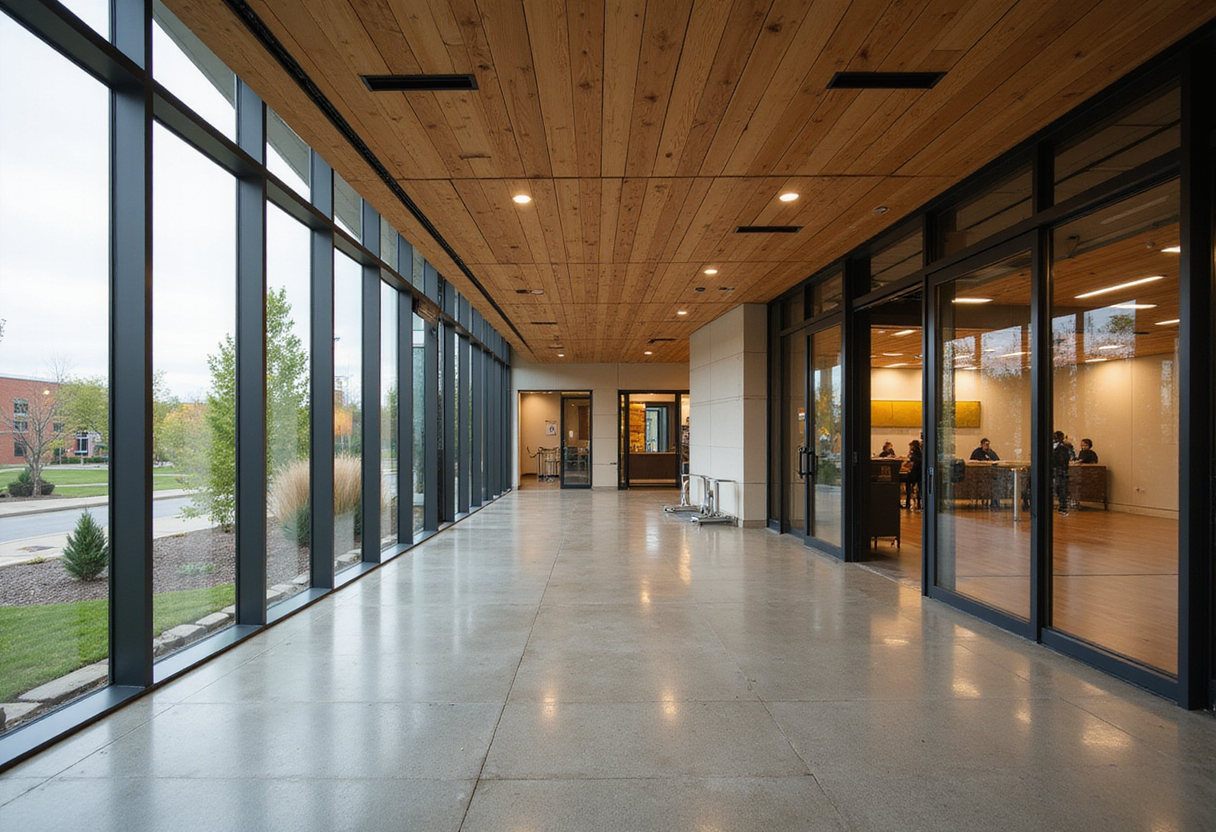
The space is built for that purpose. It includes incubator spaces for startup companies, hot-desking areas reserved for competitively selected undergraduate innovators, common areas meant to encourage collaboration, and dedicated rooms for hosting pitch competitions. It will also house on-campus entrepreneurship training activities run by the Purdue Research Foundation.
The competitive selection element is notable. Hot-desking access is not open to all comers; undergraduates must earn their place, which creates a filter common in top accelerator programs and signals that Purdue intends the HIVE to concentrate its most serious founders under one roof.
The opening ceremony drew senior leadership and the donors behind the project. Speakers included Christopher Brinton, the Purdue HIVE's faculty director; Mahek Parvez, a current student; Mark Lundstrom, the John A. Edwardson Dean of the College of Engineering; Gary Lehman, chair of the Purdue University Board of Trustees; and donors Jeff and Edie Fisher. Jeff Fisher holds a BS in electrical engineering from Purdue in 1980; Edie Fisher earned a BS in retail management from the university the same year.
Purdue President Mitch Daniels framed the hub as infrastructure for the university's broader innovation culture.
"The Purdue HIVE will provide an important new home for student entrepreneurship and innovation," Daniels said, according to the university. "By bringing together talented students who are building, testing and advancing technology-driven solutions, this dedicated space will help strengthen Purdue's culture of entrepreneurship and equip the next generation of innovators to make a meaningful impact on Indiana, our nation and the world."
The HIVE also functions as a connector. The university says the new space links students to campuswide resources and programs, including the Certificate of Entrepreneurship and Innovation, the Mitch Daniels School of Business, and the Purdue Research Foundation's Purdue Innovates initiative. For student founders, that means access to coursework, business-school expertise and technology-transfer support without leaving the building.
The backdrop matters for context. Purdue describes itself as a research institution ranked among the top 10 public universities in the United States, with more than 111,000 students across multiple campuses — more than 57,000 of them at the main campuses in West Lafayette and Indianapolis. The university has frozen tuition at its main campus for 14 consecutive years, a fact it credits with allowing more students to graduate debt-free.
For the regional economy, the stakes are straightforward: universities that pair engineering talent with structured venture support tend to retain more founders locally, and the HIVE's explicit mandate to serve Indiana gives that dynamic an institutional home. Whether the hub can convert its incubator desks and pitch-competition space into durable companies will be the metric to watch in the years ahead.
Original: purdue.edu
More from Olivia Hart
Show full bio
Staff writer covering industry trends and analytics at Business Bearings.
381 articles