Q-CTRL Raises $290M to Scale Quantum Software and Navigation
Q-CTRL's US$290 million Series C, led by Salesforce Ventures, funds AI-based quantum control software, GPS-independent navigation and expansion across finance, energy, aviation and autonomy.
By Nathan Brooks
3 min read
What's News
- Q-CTRL announced a US$290 million Series C on November 12, 2026.
- Salesforce Ventures led the oversubscribed round, which Q-CTRL expanded twice.
- Q-CTRL called the round the largest quantum-sector fundraise for a software-focused business.
- Q-CTRL says its ruggedized quantum sensors perform 100 times better than the best alternative.
- New investors include AMD Ventures and Australia’s National Reconstruction Fund Corporation; returning backers include Lockheed Martin Ventures and DCVC.
By Nathan Brooks
Q-CTRL announced a US$290 million Series C on November 12, 2026, led by Salesforce Ventures, to scale its AI-driven quantum infrastructure software and widen global deployment of navigation systems designed to operate without GPS.
Salesforce Ventures partner Robert Keith framed the investment thesis this way: “The hard problem in quantum is not building the machine, it is getting useful output from it.” He identified Q-CTRL’s AI-powered control software as its answer.
Q-CTRL described the round as oversubscribed and said it expanded twice to meet investor demand. The company called it the largest quantum-sector fundraise for a software-focused business. Bullhound Capital and Affinity Partners also made significant investments.
What Q-CTRL’s software controls
Q-CTRL’s platform applies AI to the control of quantum machines and is designed to work across hardware systems. It targets two operational problems: improving useful output from quantum computers in data centers and integrating sensitive quantum sensors into vehicles for commercial aviation and autonomous systems.
Keith cited a materials simulation on IBM hardware, available through the IBM Quantum Platform, as one proof point. He also pointed to a quantum navigation system qualified for safety of flight. The two examples place Q-CTRL’s software on both sides of the commercial equation: extracting more value from compute hardware and controlling sensors in vehicles.
Navigation without GPS
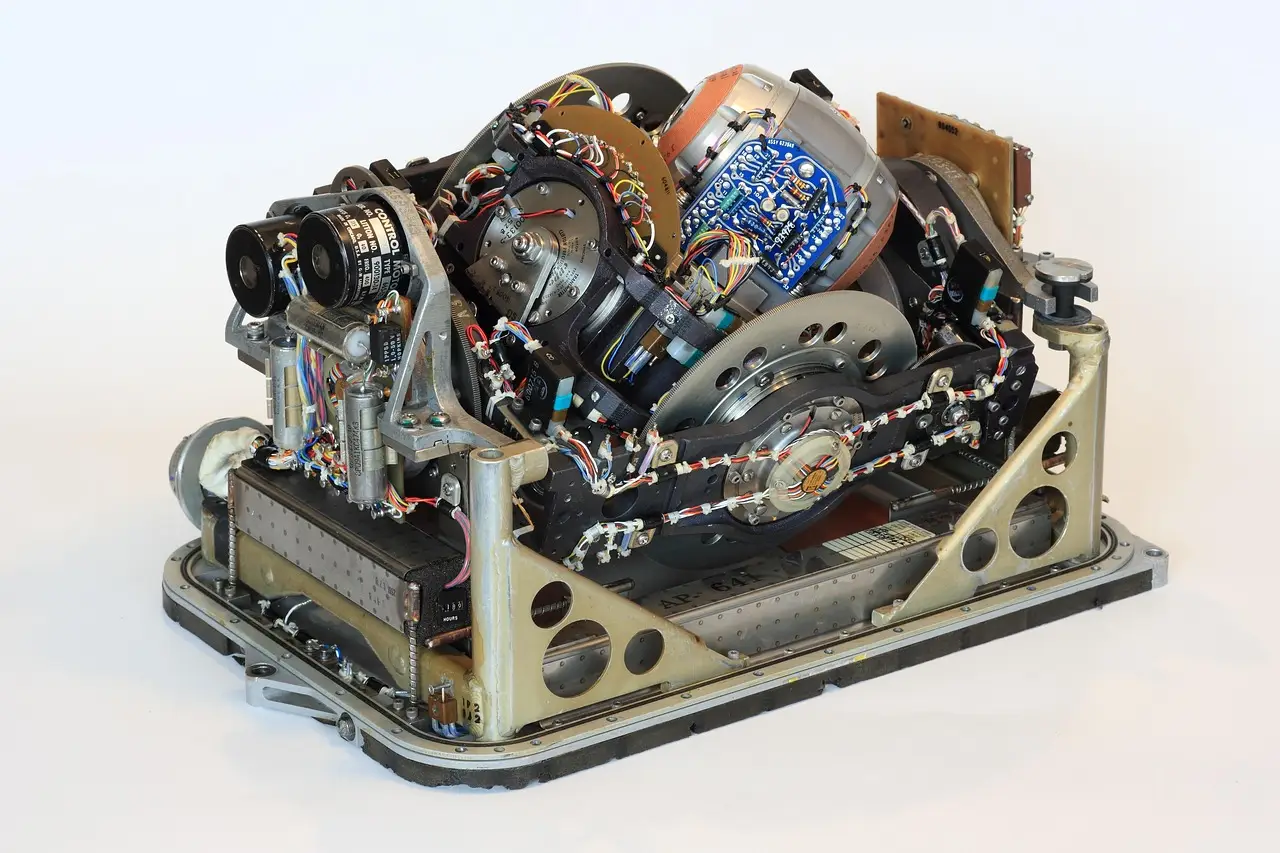
Ironstone Opal is Q-CTRL’s quantum navigation system for environments where GPS is unavailable or denied. Q-CTRL says it is unjammable, unspoofable and undetectable. Its software ruggedization is designed to keep sensitive quantum sensors working in field conditions.
Q-CTRL says that ruggedization enables the sensors to perform 100 times better than the best alternative. That comparison puts field performance, rather than laboratory output, at the center of the navigation proposition. Q-CTRL is deploying Ironstone Opal on commercial aircraft with Airbus, autonomous platforms with Lockheed Martin and unmanned drones.
The funding announcement identifies those programs as the deployment base for the navigation expansion. The practical commercial test is whether Q-CTRL can extend those placements in environments where GPS is unavailable or denied.
Capital and commercial expansion
Q-CTRL plans to deepen its software-first capabilities while scaling globally to meet customer demand in finance and energy. It will continue major autonomy and aerospace programs and expand global deployment of Ironstone Opal.
Q-CTRL named the investors joining the round:
- New investors include Affinity Partners, AMD Ventures, EDGE Group, MPower Partners, Australia’s National Reconstruction Fund Corporation and SPARX Asset Management.
- Returning backers include DCVC, In-Q-Tel, Lockheed Martin Ventures, Main Sequence and Square Peg.
Q-CTRL said the mix of strategic corporate venture, private equity and growth-stage venture capital could support joint sales, technology integration and direct revenue generation. Founder and CEO Michael J. Biercuk linked the syndicate’s backing to Q-CTRL’s technology, revenue growth and strategic alignment across AI and aviation. He presented infrastructure software as the company’s route to customer value from quantum technology.
What does the funding change for customers?
Q-CTRL said the round gives it capital to pursue enterprise quantum computing and vehicle navigation from a common software base. Its stated commercial path depends on extending the existing aerospace and autonomy deployments and converting investors’ potential sales and technology-integration channels into broader customer adoption.
For finance and energy customers, the disclosed change is Q-CTRL’s planned expansion of its global deployment capacity. For aerospace and autonomy customers, the funding supports continued work on programs already using Ironstone Opal. In both cases, adoption still depends on turning technical capability and investor channels into broad customer use.
The next proof point is whether Q-CTRL turns Airbus, Lockheed Martin and drone deployments into repeatable commercial wins, backed by the joint-sales and technology-integration channels available through its investor group.
Source: unite.ai
More from Nathan Brooks
Show full bio
News editor covering regulation, policy and their impact on entrepreneurship, startups and venture funding at Business Bearings.
2,029 articles