Residents Hit OpenAI with RICO Suit Over $20 Billion Georgia Data Center
Effingham County residents filed a RICO suit over OpenAI's $20 billion, 3.2 GW Project Camellia, alleging secret land deals, zoning changes and undisclosed conflicts of interest.
By Nathan Brooks
5 min read
What's News
- A racketeering suit filed November 6 in Effingham County State Court is the third legal challenge to OpenAI's Project Camellia since July.
- The complaint cites a $20 billion capital investment, 3.2 gigawatts of capacity and more than 4 million square feet across five phases from 2028 to 2034.
- Roughly 1,440 acres were conveyed to OpenAI affiliate Octans GA for $10 on July 24; an IDA official says the deal boosted public funds by $350 million.
- The county would receive an estimated $870 million in tax revenue over 15 years under a PILOT arrangement, with 80 jobs created per phase.
- None of the allegations, including RICO claims naming individual officials, have been proven in court.
By Nathan Brooks
Three Effingham County residents have filed a state racketeering and conspiracy lawsuit against OpenAI, county officials and development authorities, claiming a coordinated effort to push through a $20 billion data center campus behind closed doors. The complaint, filed November 6 in Effingham County State Court, is the third legal challenge since Project Camellia became public in July.
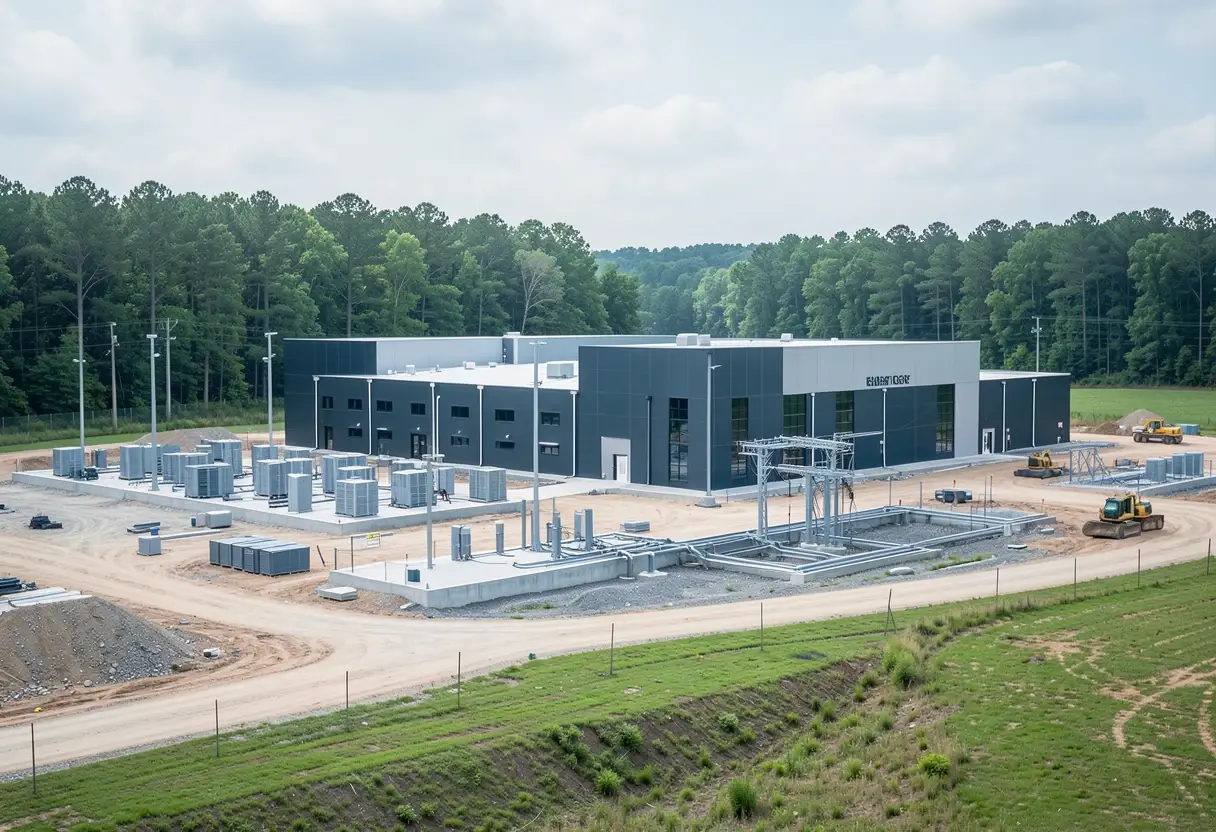
The scale of the deal explains the fight. Project Camellia covers roughly 1,440 acres at the Savannah Gateway Industrial Hub, with more than 4 million square feet of buildings, about 3.2 gigawatts of power capacity, and roughly $20 billion in cumulative capital investment across five construction phases from 2028 to 2034, according to the complaint and development agreement. OpenAI would create 80 jobs per phase and generate an estimated $870 million in tax revenue over 15 years under a payment-in-lieu-of-taxes arrangement — roughly $58 million per year — which would make it the county's largest taxpayer even at the discounted rate. An earlier report cited a $4 billion figure from the memorandum of understanding; the complaint cites $20 billion.
Who is named, and for what?
The plaintiffs — Dr. Michelle Finch-Mincey, Lehman Mincey Jr., and Raymond Carver — allege that the Effingham County Industrial Development Authority (IDA), county commissioners, County Manager Tim Callanan, IDA Executive Director Brandt Herndon, and private entities including OpenAI's Georgia affiliate Octans GA and Savannah Industrial Development LLC engaged in a "concerted effort to keep the massive, multi-billion dollar Project Camellia, the land transaction, and its terms secret from the people of Effingham County until the land was committed and the decisions were essentially made behind closed doors."
The civil RICO count names OpenAI, Savannah Industrial Development, Herndon, Callanan, County Commission Chairman Damon Rahn, and Commissioner Roger Burdette in their individual capacities. The plaintiffs allege a "Project Camellia Enterprise" formed to secure public land, favorable zoning, and tax incentives while concealing information from affected residents.
What does the timeline show?
The complaint traces negotiations to an October 27, 2025 nondisclosure agreement between the IDA and OpenAI, signed by Herndon and OpenAI's Dan Cook — nearly nine months before any public announcement. By February 2026, other officials had received OpenAI briefings. In April, the IDA retained additional public relations help.
On May 14, Savannah Industrial Development, acting under a 2016 power of attorney from the IDA, signed a land purchase agreement with Octans. A second agreement followed July 7 — both before the IDA board met to consider the project. The IDA held a special meeting July 21, which the lawsuit alleges was scheduled at OpenAI's request rather than on the regular calendar. The agenda listed only "Project Gateway." Three OpenAI representatives attended; no members of the public did. The board spent more than an hour in executive session before unanimously approving the MOU. The project was announced the next day.
On July 24, Savannah Industrial Development conveyed approximately 1,440.66 acres to Octans for $10 — though Herndon has stated the sale increased public funds by $350 million.
The complaint also challenges an August 4 zoning amendment (Ordinance 2026-352) that county officials called a technical correction. The plaintiffs contend it substantively changed where data centers could be built — permitting them by right on industrially zoned property and removing the conditional-use review that requires public hearings before both the Planning Board and Board of Commissioners. No such hearings were held. A steering committee created in December 2024 to address the zoning ordinance met without public notice or agenda, and its meetings were not open to the public despite constituting a quorum of an appointed government entity.
The suit adds a conflicts dimension: Chairman Rahn worked for Georgia Power as an information technology infrastructure analyst. Georgia Power representatives attended an October 2025 commissioners' retreat on the "strategic and economic impacts of data center development," and the utility's economic development division facilitated OpenAI's introduction to the IDA. The complaint alleges Rahn neither disclosed his employment nor recused himself during data center and zoning proceedings.
What does this change for residents and OpenAI?
The plaintiffs say the project has already harmed the use and marketability of their properties, with offers for nearby residential land falling or withdrawn since the announcement. They seek compensatory and punitive damages, treble damages under the RICO claim, attorney's fees, and a jury trial. No specific dollar amount is specified.
"This case is not an attack against the use of AI or AI in general," lead attorney Ben Michaud said in a news release. "It is an attack on the ways these defendants acted to procure the data center in Effingham County. It is a demand for transparency and accountability." Partner Greg Gilluly added: "Government power should come from the consent of the people, not multibillion-dollar corporations having secret meetings with public officials."
This is the third suit since the plan went public. In early September, the same plaintiffs sued to invalidate the data center zoning; later that month, residents and environmental group One Hundred Miles asked a judge to throw out the development authority's deals with Octans. The Effingham County Board of Commissioners declined to comment on pending litigation, per spokesperson Jake Zeigler. The IDA and OpenAI did not reply before publication. None of the allegations have been proven in court.
For practitioners, the case tests whether Georgia's open-government and zoning statutes can slow a hyperscaler's site plan already backed by signed land deals — and whether RICO exposure extends to the corporate tenant, not just local officials.
Source: epyhia.com
More from Nathan Brooks
Show full bio
News editor covering regulation, policy and their impact on entrepreneurship, startups and venture funding at Business Bearings.
1,771 articles