Rocket Lab Hits 100 Electron Launches Faster Than Any Commercial Rocket
Rocket Lab's 100th Electron launch deployed a radar satellite for a repeat Japanese customer, with the next 100 missions already booked through the next decade.
By Grace Kim
2 min read
What's News
- Electron reached 100 launches faster than any other commercially developed rocket.
- The 100th mission lifted off from New Zealand at 6:30 p.m. on November 14, 2026.
- The flight deployed the YAMATSUMI-II radar satellite into a 575-km orbit — the 11th mission for the Institute for Q-shu Pioneers of Space since 2023.
- The institute has booked seven more dedicated Electron launches through 2030.
- Rocket Lab's next 100 Electron missions are already booked; Electron experience supports the reusable Neutron vehicle.
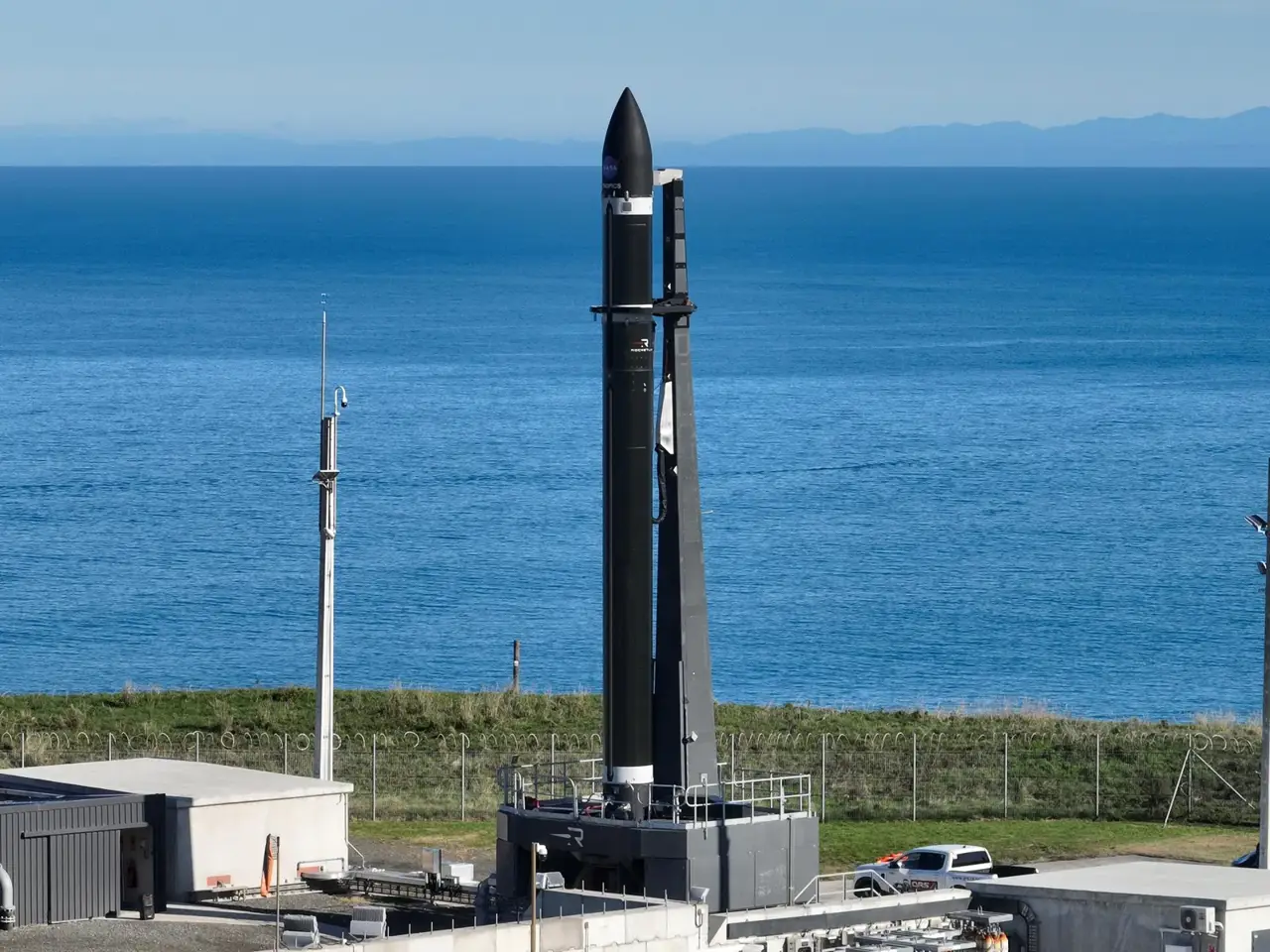
Rocket Lab has completed the 100th launch of its Electron rocket, hitting the milestone faster than any other commercially developed launch vehicle in history. The company's next 100 Electron missions are already booked.
The mission, named "The Mountain God Rises," lifted off from Rocket Lab Launch Complex 1 in New Zealand at 6:30 p.m. on November 14, 2026. Electron deployed the YAMATSUMI-II synthetic aperture radar Earth-observation satellite into a 575-kilometer low Earth orbit.
The customer was the Institute for Q-shu Pioneers of Space, a repeat client. The flight marked Rocket Lab's 11th Electron mission for the institute since 2023, and all 11 have succeeded. The institute has booked seven more dedicated Electron launches through 2030 as it builds out its satellite constellation.
What makes the 100th launch a record?
Electron first flew in 2017. In the nine years since, the vehicle has placed hundreds of satellites into orbit for commercial constellation operators, scientific organizations, and national-security customers.
Founder and CEO Sir Peter Beck put the pace in context. "Few rockets reach 100 launches in their total operational lifetime. Not only has Electron now reached 100 launches, but it reached the milestone faster than any other commercially developed rocket," Beck said.
He credited the team's record directly: "That record pace comes down to the relentless dedication of the Rocket Lab team, and I want to congratulate everyone behind Electron. This is the team that pioneered 3D-printed rocket engines, built the world's first carbon-composite orbital rocket, launched back-to-back from two hemispheres, and shattered responsive space records along the way, putting Electron in a league of its own."
The hardware itself sets Electron apart. The rocket uses carbon-composite structures and 3D-printed Rutherford engines, technologies that distinguished it within the commercial small-launch market from the start.
Where does Electron fly from?
Rocket Lab operates Electron from launch sites in New Zealand and Virginia. The company has demonstrated launch operations across two hemispheres and completed responsive missions on compressed preparation timelines.
That operational footprint — two hemispheres, repeated responsive launches, 100 flights of data — is now an asset in itself. The milestone gives Rocket Lab a significant base of flight data and operational experience as it expands from small satellite launches into larger missions and broader space-system services.
Beck also thanked the customer base that got Electron there: "To our customers who have trusted us with their spacecraft, many of them across multiple launches, thank you."
What comes after 100 flights?
The launch manifest extends into the next decade, and demand shows no sign of slowing. "The next 100 Electrons are already booked so we're only accelerating from here," Beck said.
Electron's operating experience is also feeding Rocket Lab's next step: Neutron, the company's planned reusable medium-lift launch vehicle. In plain terms, the first hundred flights were the proving ground — the second hundred, plus Neutron, are where Rocket Lab intends to scale.
Source: pulse2.com
More from Grace Kim
Show full bio
Market editor covering people, launches and day-to-day practice in entrepreneurship, startups and venture funding at Business Bearings.
2,178 articles