Ørsted Shares Jump 10% as Democrats Sweep Midterm Elections
Ørsted gained nearly 5% as Democrats took Congress, shielding wind and solar tax credits. But analysts say it is too early to call a turning point for US offshore wind.
By Olivia Hart
4 min read
What's News
- Ørsted's market value jumped almost 10% on the midterm result, closing nearly 5% higher, after losing more than 70% since Trump's 2025 return.
- US renewable projects total 388 GW of capacity, enough to power over 83 million homes, and employ more than 400,000 people.
- Renewables supplied about 30% of US electricity this year, versus about 50% in the EU and 40% in China.
- 24 states plus DC have 100% clean electricity or net zero targets for 2035–2050.
- The White House issued multiple stop-orders against Ørsted's Revolution Wind project.
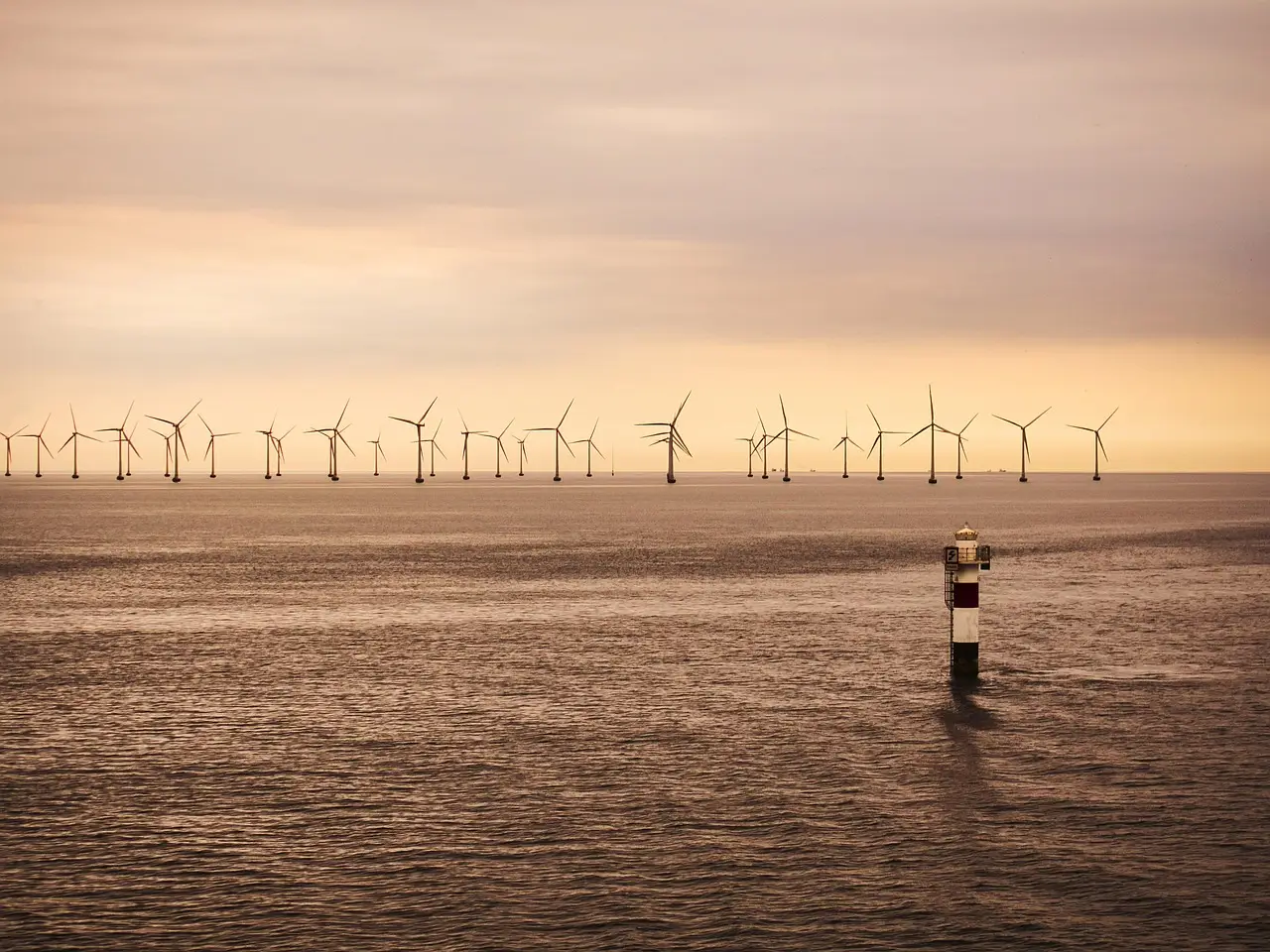
Ørsted's market value jumped almost 10% within hours of the Democrats' midterm election victory, before closing nearly 5% higher. The world's largest offshore wind developer has lost more than 70% of its market value since Donald Trump returned to the White House in 2025, so one strong trading day only claws back a fraction of that decline.
The rally was broad. Portugal's EDP Renewables and France's Engie rose more than 3%. Germany's RWE added about 1%. Market analysts said the Republicans' loss of the Senate and the House of Representatives may reduce the risk of further political interference in the sector and restore investor confidence in US renewable projects.
What changed in Washington?
Democratic control of the House and a Senate majority now give the industry a legislative shield. Claudio Galimberti, chief economist at the consultancy Rystad Energy, said the Democratic House would be able to block further repeals of solar and wind tax credits. Battery storage credits would also have a stronger defender in budget negotiations, he said. The administration's roughly $4bn in offshore wind lease buybacks would face greater scrutiny, he added.
The stakes are large. The US hosts renewable energy projects with a combined capacity of 388 gigawatts — enough to power more than 83 million American homes. The sector directly employs more than 400,000 people across the country.
Yet the sector's performance remains well behind its peers. Wind, solar, hydro and geothermal projects have supplied about 30% of US electricity generated this year, compared with roughly 50% across the EU and 40% in China. There is no binding US-wide clean energy target; 24 states plus the District of Columbia have their own plans to reach 100% clean electricity or net zero carbon emissions between 2035 and 2050.
Why was this an "energy election"?
The White House has issued multiple stop-orders against Ørsted's Revolution Wind project since Trump's re-election. Trump, a vocal supporter of the fossil fuel industry, has repeatedly opposed what he calls "ugly, costly and inefficient" windfarms in the US and abroad. The pressure landed on an industry already struggling with fast-rising interest rates and supply chain pressures.
Voters noticed the cost consequences. "This was unquestioningly an energy election," said Brenda Shaffer, a senior fellow at the Atlantic Council's Global Energy Center. Rising concerns over energy costs and the looming impact of datacentres on energy supplies played a key role in the Republican defeat, she said.
That datacentre question cuts both ways. Growing disquiet surrounds whether the forecast surge in electricity-hungry AI datacentres threatens green targets by increasing US reliance on gas power plants — and pushing up energy costs. A Democratic Congress does not answer that demand problem.
Is this a turning point for offshore wind?
Not yet, according to Tancrede Fulop, a senior equity analyst at Morningstar in the Netherlands. It was too early to call the election outcome a turning point for US offshore wind, he said, though it might lower the risk of further regulatory disruption and provide a more stable backdrop for projects under development.
"For companies that have spent the past few years dealing with regulatory delays and shifting political priorities, a more supportive backdrop should provide some much-needed confidence around projects already under development," Fulop said.
Analysts at Barclays said easing investor jitters over regulatory uncertainty could support confidence in future project returns and make new US renewable energy projects cheaper to finance. That is a financing benefit, not a guarantee of new construction.
The brighter prospect may lie onshore. Shaffer said the future was even better for developers hoping to build new onshore renewable projects, including batteries, which are typically decided at state level. A string of Republican states turned blue — Texas, Maine, Kansas, Ohio, Iowa and North and South Carolina — potentially opening the door to greater support for clean energy investment.
Jason Grumet, chief executive of the American Clean Power Association, said the "blue wave" had made clear that "affordable, reliable power is a priority. And our industry is ready to deliver it." The market has priced a reprieve; whether it prices a recovery depends on how the demand from datacentres and the politics of the next two years play out.
Source: The Guardian Business
More from Olivia Hart
Show full bio
Staff writer covering people, launches and day-to-day practice in entrepreneurship, startups and venture funding at Business Bearings.
1,555 articles