Scotland Bans Junk Food Multi-Buys and End-of-Aisle Displays
Scotland bans multi-buy deals and end-of-aisle displays for high fat, sugar and salt products at retailers with more than 50 employees, following England and Wales.
By Grace Kim
3 min read
Updated
What's News
- Rules apply to businesses with more than 50 employees, including supermarkets, pharmacies, petrol stations and garden centres
- Two out of three Scottish adults are overweight or obese, according to Public Health Minister Maree Todd
- England banned unhealthy food multi-buy promotions in October 2025; Wales followed in March
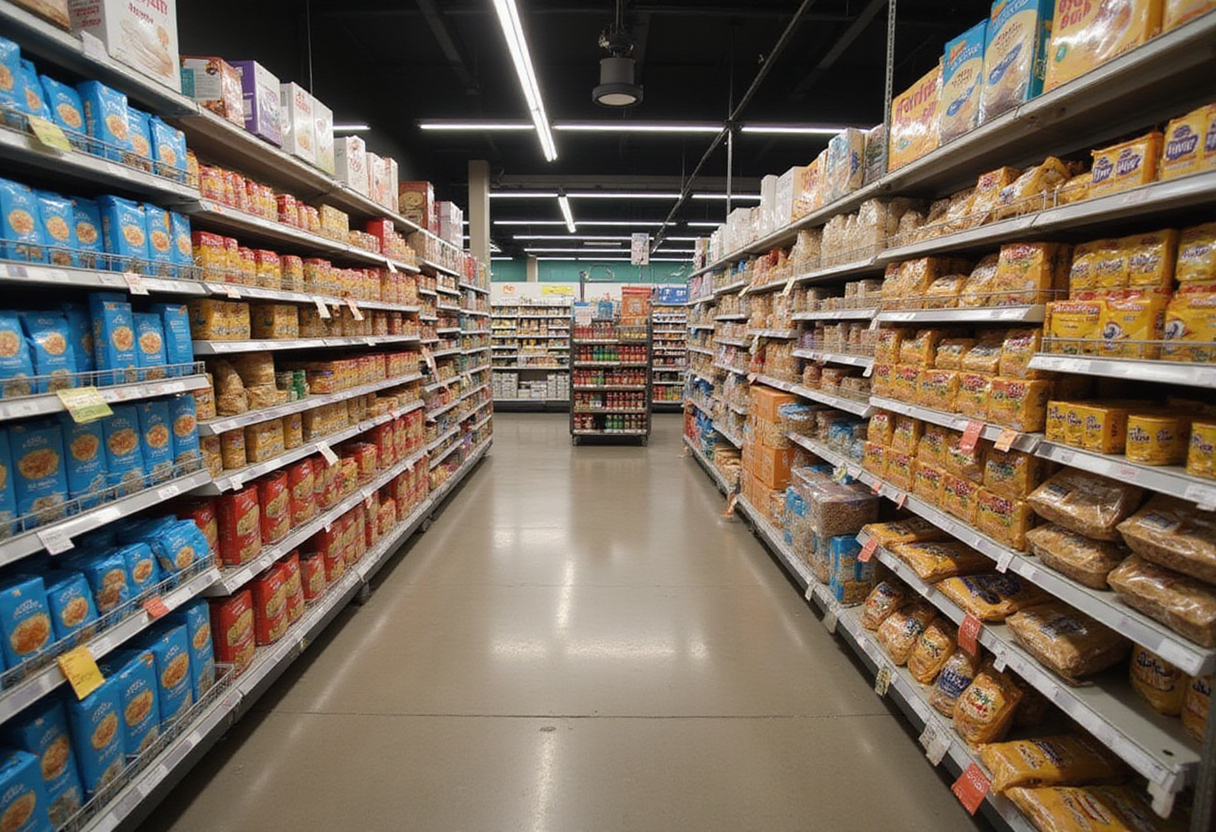
Sugary soft drinks, biscuits and some breakfast cereals have disappeared from prime end-of-aisle slots in Scotland's supermarkets under new government rules that took effect this week.
The Scottish government regulations apply to businesses with more than 50 employees. That scope covers supermarkets, high street shops, restaurants, pharmacies, petrol stations and garden centres. These retailers can no longer display pre-packaged foods high in fat, sugar or salt in prominent locations: entrances, checkouts, aisle ends and designated queueing areas.
The rules also strike at pricing mechanics. Multi-buy promotions on restricted products — "three for the price of two", "three for £10" or "buy five and save 20%" — are banned. Unlimited offers, including extra loyalty points, fall foul of the rules too. So do deals bundling a free high-sugar, fat or salt product with another purchase, such as a free chocolate bar with a newspaper. Straight discounts like half-price or "save £1" remain legal.
Online retailers face their own constraints, including a ban on advertising certain foods on their homepage.
Chocolate, crisps — and kombucha
The obvious targets are chocolate, crisps, biscuits and ice cream. But the regulations reach further, depending on sugar, salt and fat content. The restrictions could apply to:
- Drinks with added sugar, including lemonade, soda, squash, chocolate milk, almond milk, ready-made coffee, kombucha, energy drinks and hot chocolate
- Savoury snacks such as crisps and tortilla chips, and even lentil-based crisps and seaweed snacks
- Breakfast cereals, granola, muesli and oat-based cereals
- Pre-made pizzas, roast potatoes, chips, fish fingers and chicken nuggets
- Ready meals, plus pasta, rice or noodles with added ingredients such as ravioli and tortellini
- Confectionery including popcorn, chocolate, chewing gum and sweets
- Ice cream, sorbets, ice lollies, sponge cakes, custard, jelly and crumbles
- Cereal bars, biscuits, scones, flapjacks, doughnuts and Danish pastries
- Sweetened Greek-style, probiotic, kids' and drinking yoghurts
Meal deals survive
Meal deals are exempt, as are "dine for two" offers. But any foods identified in the rules, whether part of a meal deal or not, cannot be placed in restricted locations such as supermarket entrances.
The obesity driver
The Scottish government framed the regulations as a lever for healthier eating. Public Health Minister Maree Todd noted that two out of three Scottish adults are overweight or obese, with those living in the poorest areas worst affected.
"We know that promotions and prominent product placement can encourage over-consumption and impulse buying of foods with high levels of calories, fat, sugar and salt," Todd said.
"By restricting the promotion of less healthy food and drink we can make it easier for people to make healthier choices, improving health and wellbeing, and create a Scotland where everyone eats well and has a healthy weight."
Scotland follows England and Wales
Scotland is not moving first. England banned price and multi-buy promotions on unhealthy food and drink in October 2025. Wales followed in March, bringing in rules preventing medium and large retailers from promoting less healthy products. Restrictions on junk food advertising took effect across the UK in January.
For retailers and brand owners, the upshot is that promotional shelf space and deal-driven volume across all three British mainland markets now hinge on reformulation — products that fall below the fat, sugar and salt thresholds keep full access to the highest-value placements.
Original: gov.scot
More from Grace Kim
Show full bio
Market editor covering industry trends and analytics at Business Bearings.
416 articles