Six Months as an EMT Reshaped a Hospital Executive’s Communications
After six months training as an EMT, Children's Healthcare of Atlanta executive Linda Matzigkeit found email ineffective in the ER and introduced phone alerts, shift huddles and frontline experience.
By Amara Osei
3 min read
What's News
- Matzigkeit spent about six months training as an EMT during COVID.
- Her EMT course ran two nights a week from 5 p.m. to 10 p.m., with weekend ambulance and emergency-room shifts.
- She completed 100 hours of EMT orientation before working 8- or 12-hour emergency-department shifts.
- Her 8- or 12-hour emergency-department shifts brought no additional pay because she remained a salaried employee.
- She aims to work one EMT shift a month and introduced phone notifications and start-of-shift huddle talking points.
By Amara Osei
Linda Matzigkeit, chief administrative officer at Children's Healthcare of Atlanta, spent about six months training as an EMT during COVID before working 8- and 12-hour emergency-department shifts without extra pay.
Matzigkeit said: "I felt helpless during the pandemic." Front-line clinical staff were leaving the hospital quickly, she said, as mothers stayed home with their children during remote schooling. She wanted to help and concluded that working on the front line offered the fastest route to making a difference.
How did a hospital executive become an EMT?
Matzigkeit said she had long been interested in healthcare because she enjoyed helping people. She never wanted to become a nurse or doctor, and she considered becoming a pharmacist before the pandemic.
During COVID, she asked several trusted colleagues how she could become a contributing member of the clinical staff as quickly as possible. Their answer was unanimous: become an EMT.
Her son was away at college, leaving her an empty nester with time to train. She feared she would not qualify, and the course proved much harder than expected.
She attended EMT school two nights a week, from 5 p.m. to 10 p.m. On weekends, she picked up training shifts on ambulances and in emergency rooms. About six months later, she passed her national certification.
Matzigkeit did not tell her instructor that she held a hospital leadership job. She wanted to be taken seriously and feared he would assume she would take the course and never use it.
Whenever an assignment failed to earn an A, she approached him for feedback. He eventually told her: "There's no valedictorian of the EMT course. You're doing great."
What did frontline work reveal about hospital communications?
After certification, Matzigkeit started working in the emergency department of the hospital where she also served as chief administrative officer. She first completed 100 hours of EMT orientation, fitting the training around nights and weekends.
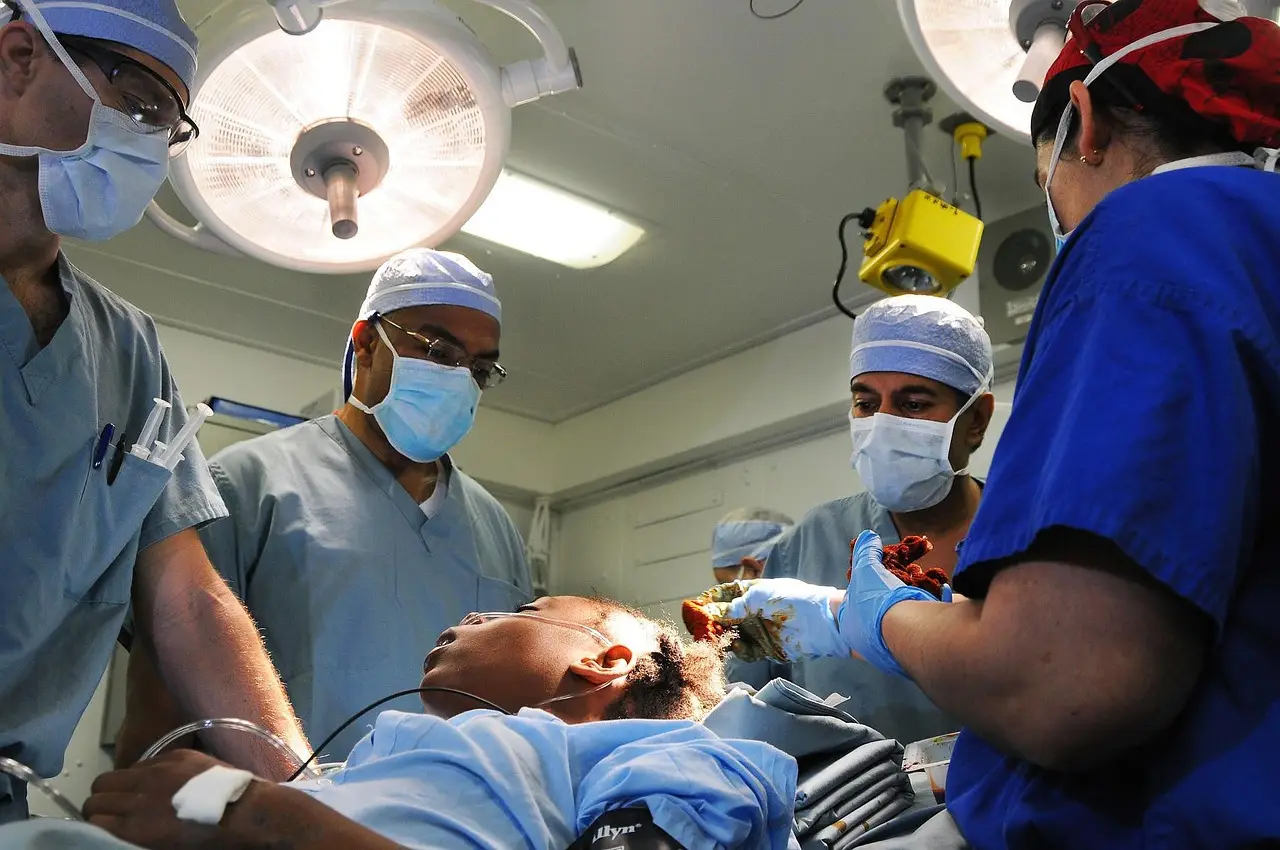
Her shifts lasted 8 or 12 hours and confirmed how busy the clinical staff were. Matzigkeit started IVs and catheters, held patients during procedures, and cared for frightened parents.
Matzigkeit also knew the strain of waiting too long in the emergency department with her own child. Drawing on that experience, she tried to keep things moving for other parents and patients.
She remained a salaried employee, so her emergency-department work carried no additional compensation. "From a financial standpoint, I think of it as volunteering," she said.
Her central lesson concerned email. Matzigkeit had assumed staff read her messages, but she found that emergency-department workers did not remain at their desks long enough to do so.
She and hospital leadership introduced an internal communication tool similar to social media. It allowed staff to receive quick updates and notifications on their phones.
Matzigkeit also prepared talking points for start-of-shift huddles led by frontline staff. In the fast-paced emergency department, she found face-to-face communication more effective than email.
How will she sustain the change?
Becoming an EMT and working in the emergency department humbled Matzigkeit, although she remains proud of the work. She still wants to place IVs and catheters faster but says she will not match some colleagues' skill. She also does not work as an EMT as often as she would like.
She aims to work one shift a month, though that goal does not always happen. When she shares her story, Matzigkeit often hears: "I've always wanted to be an EMT." Her advice is to do it.
She said the experience showed that she could accomplish anything she set her mind to and make a difference for clinical staff and leadership. She also said she could dream big and execute on it. "If I put something out into the universe, you bet I'm going to accomplish it," she said.
Her next test is whether the phone-based tool and huddle talking points can keep staff informed without depending on email. She still aims to work one EMT shift a month, though that goal does not always happen, leaving the new communication channels to carry the daily burden.
Source: feeds.businessinsider.com
More from Amara Osei
Show full bio
Senior reporter covering companies, deals and strategy in entrepreneurship, startups and venture funding at Business Bearings.
1,718 articles