Sleep.ai Raises $5.3M to Scale Device-Independent Sleep Intelligence
Sleep.ai raised $5.3M led by Treasure Coast Ventures to expand its 800-wearable sleep intelligence platform and Germany's reimbursed Dein Schlaf program, now at 25,000 users.
By Daniel Okafor
3 min read
What's News
- Sleep.ai raised $5.3 million on November 11, 2026, led by Treasure Coast Ventures.
- The company has analyzed over 1.1 billion hours of sleep data, more than 200 billion data points.
- Dein Schlaf, Germany's reimbursed prevention program, reached 25,000 enrolled participants in 2026.
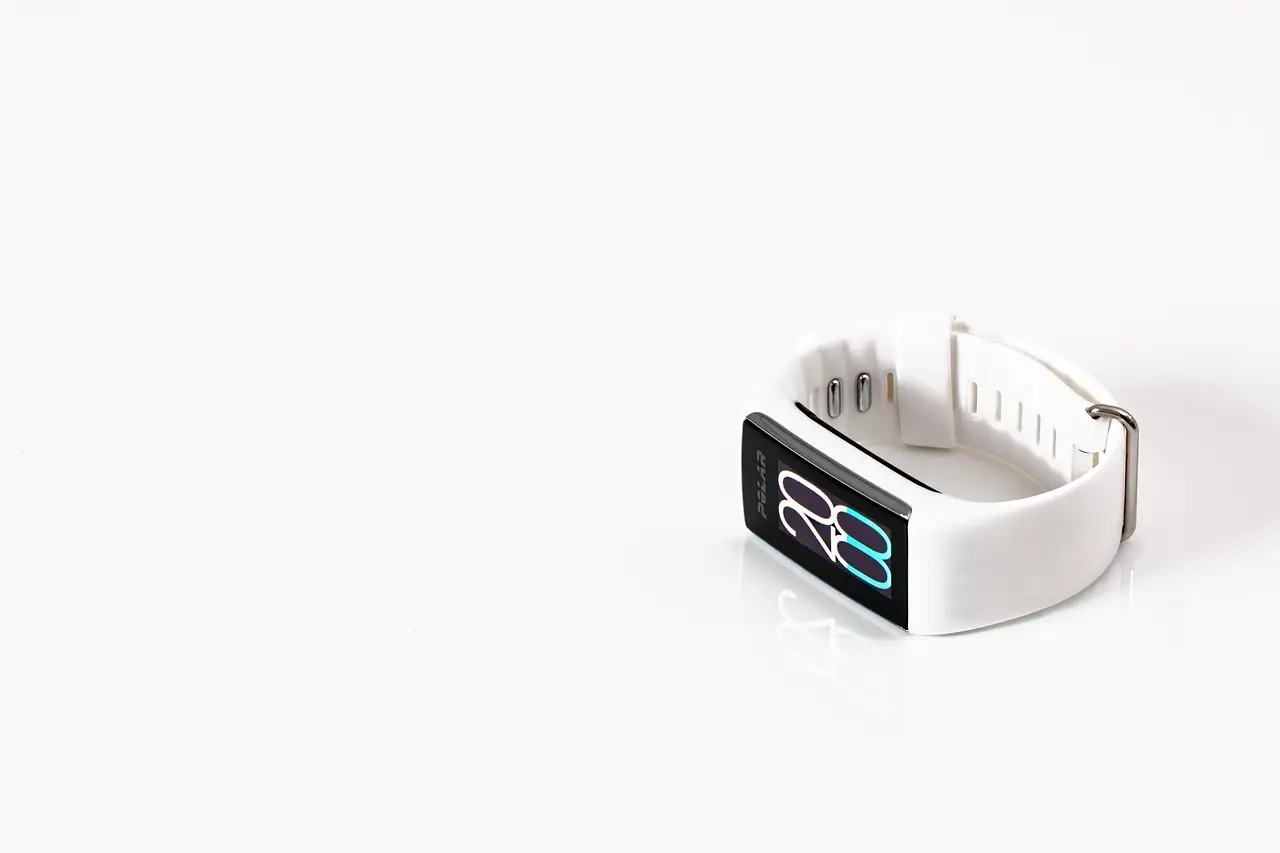
- Wearable brands measuring identical sleep showed gaps of 57 to 89 minutes, per Sleep.ai's analysis.
- The round follows a separate $5.5 million raise on August 26, 2025 that coincided with the rebrand from SleepScore Labs.
Sleep.ai has raised $5.3 million to expand its AI-based predictive health models, fund partner integrations, and push further into Germany and other markets. Treasure Coast Ventures led the round, announced on November 11, 2026, with participation from the Harvard Business School Alumni Angels of Greater NY and other investors.
The company brings unusual assets to the table. It says it has collected and analyzed more than 1.1 billion hours of real-world sleep data, measured longitudinally, night after night, in home settings — over 200 billion data points in total. It also counts 104 scientific publications behind the platform. The strategy: sell sleep intelligence as software rather than tie it to a single device.
Why did Treasure Coast Ventures double down?
This is the second check from the same lead investor in 15 months. Sleep.ai raised $5.5 million on August 26, 2025, also led by Treasure Coast Ventures, in a round that coincided with its rebrand from SleepScore Labs to Sleep.ai. That earlier announcement put the company's proprietary sleep-data base at more than 800 million hours. The dataset has grown by roughly 300 million hours since.
Robert Padulo, managing partner at Treasure Coast Ventures, frames the investment around hardware independence: independence from any single device is central to the platform's scalability because its reach is not limited by one company's hardware sales. The practical effect is that partners can add sleep features without requiring their customers to standardize on one wearable.
How big is the device-measurement problem?
The company's own analysis of real-world data quantifies it. Different wearable brands measuring identical sleep produced typical gaps of 57 to 89 minutes, depending on the brand. Sleep.ai's platform normalizes readings across device types and ingests data from approximately 800 wearables, aiming to give enterprise customers consistent sleep scoring regardless of which hardware their users choose.
The platform is not limited to wearables. Sleep.ai says its smartphone-based measurements include sonar that records no audio, and that the platform can recognize patterns indicative of sleep-disorder risk, including sleep apnea. Partners embed the technology through APIs and SDKs — the software interfaces and toolkits that let them deliver guidance whether or not users own a wearable.
What does Germany's reimbursed program prove?
Sleep.ai's flagship deployment is Dein Schlaf ("Your Sleep"), a nationally reimbursed prevention program certified by Germany's Central Prevention Testing Board. It is available without a prescription to anyone covered by German statutory health insurance — approximately 74 million people. Participating insurers include BARMER, AOK Niedersachsen, IKK Brandenburg und Berlin, and BERGISCHE Krankenkasse. Enrollment reached 25,000 participants in 2026.
A March 13, 2026 program announcement described Dein Schlaf as a 12-week course combining:
- Contactless sleep tracking
- Personalized digital coaching informed by nightly data and individual goals
- Adaptive behavioral guidance
The program runs on infrastructure compliant with the EU's General Data Protection Regulation, and participants receive a digital completion certificate used for reimbursement under Germany's prevention guidelines.
The outcomes data is concrete. Among users who tracked their sleep for 36 nights, Sleep.ai reports that two in three improved on at least two objective sleep measures compared with their own first week. Those users slept about 30 minutes longer per night and improved their sleep-quality metrics. More than half of that group showed progress by night 14; nine in ten did so by night 28.
Dr. Frederike Escher-Brecht, head of digital product development at BARMER, said the app's reliance on individually measured sleep data distinguishes it from general prevention advice because each recommendation is based on measured sleep. The program demonstrates how such measurements can be delivered as an institutional health benefit through an insurer.
What is the commercial test ahead?
The round ties Sleep.ai's next phase to two connected questions: whether partners will adopt a common sleep-intelligence layer across fragmented devices, and whether reimbursed prevention can support expansion beyond Germany. The company now holds a large longitudinal dataset and a reimbursed German deployment channel. Converting those assets into broader partner adoption is the test the new $5.3 million must pass.
Source: unite.ai
More from Daniel Okafor
Show full bio
Correspondent covering money, funding and market shifts around entrepreneurship, startups and venture funding at Business Bearings.
1,977 articles