SpaceX Eyes Boost Mobile Buyout to Challenge Big Three US Carriers
SpaceX is in talks to buy Boost Mobile from EchoStar, giving Musk 7.5 million subscribers and tower access — if AT&T and T-Mobile agree to transfer the leases.
By Nathan Brooks
3 min read
What's News
- SpaceX CEO Elon Musk discussed buying Boost Mobile with EchoStar chairman Charlie Ergen in October, per The Washington Post
- EchoStar has about 7.5 million customers across Boost Mobile and GenMobile
- SpaceX bought $17 billion of wireless spectrum from EchoStar last year
- AT&T, T-Mobile and Verizon each serve over 100 million subscribers; all three rejected Musk's capacity-buyout approaches
- Boost leases tower capacity from AT&T and T-Mobile, and those leases are usually nontransferable
SpaceX is negotiating to buy Boost Mobile from EchoStar, a deal that would hand Elon Musk's company roughly 7.5 million wireless subscribers and a shot at fourth place among U.S. carriers, The Washington Post reports. Musk, SpaceX's CEO, spoke directly with EchoStar chairman Charlie Ergen in October about acquiring the mobile virtual network operator, which operates alongside EchoStar's other brand, GenMobile.
The target isn't really the subscriber base. The big three carriers — AT&T, T-Mobile and Verizon — each serve more than 100 million subscribers, dwarfing Boost's footprint. The real prize is terrestrial network access.
Why satellites alone don't finish the job
SpaceX has spent two years building its cellular ambitions. It rolled out satellite connectivity to T-Mobile subscribers in 2024, and last year it bought $17 billion worth of wireless spectrum from EchoStar. That spectrum could let Starlink's signal reach inside buildings, a known weak spot for satellite service today.
At the time of the spectrum purchase, Musk framed it as the endgame. "This is the last critical piece of the spectrum puzzle needed for SpaceX to provide complete phone coverage in America," he posted on X. Apparently it wasn't. If Musk is now shopping for terrestrial networks, the tower side of the puzzle remains unsolved.
What does this change for the deal's structure?
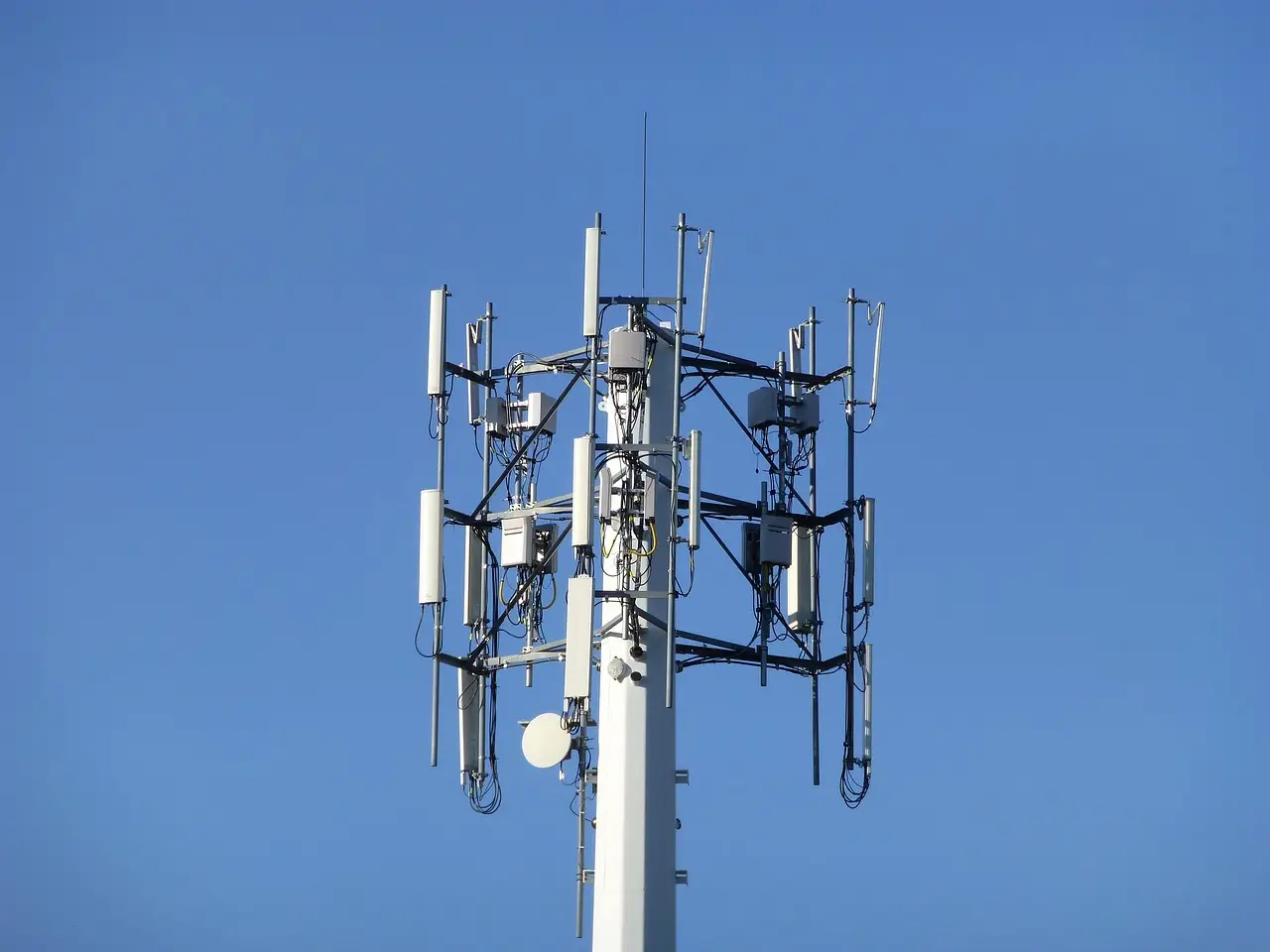
Boost Mobile doesn't own towers. It's a virtual operator that leases capacity from AT&T and T-Mobile — and those leases are usually nontransferable, sources told The Post. That means AT&T and T-Mobile might need to sign off on any SpaceX acquisition of Boost, giving the incumbents a veto they've already shown willingness to use: Musk separately approached all three carriers about buying network capacity, and all three rejected him.
So the deal's viability hinges less on price and more on whether two rivals who just said no to Musk will approve transferring their own leased capacity to a new competitor. That's the practical question any antitrust or telecom analyst will ask first.
The hybrid play
The strategic logic is straightforward. Boost covers most of the 48 contiguous states through its leases. Starlink covers the outdoors, everywhere, from orbit. Put together, satellites handle devices in the open while cell towers carry the load where satellite signals can't penetrate — indoors, dense urban cores, bad weather.
For SpaceX, buying Boost delivers three things at once:
- An immediate subscriber base of 7.5 million customers across Boost and GenMobile
- Leased terrestrial capacity spanning most of the lower 48 states
- A fourth-carrier position against three incumbents with 100 million-plus subscribers each
The so-what
A completed deal would make SpaceX the first credible fourth national wireless player built on a satellite-first architecture, and it would convert the $17 billion spectrum bet into a working consumer service rather than a warehouse of licenses. But the incumbents hold leverage twice over — as the landlords of Boost's network and as parties who've already refused Musk's money once. Watch whether Ergen and Musk can structure a deal that survives AT&T's and T-Mobile's consent, because that consent, not the purchase price, is the gating item here.
By Nathan Brooks
Original: washingtonpost.com
More from Nathan Brooks
Show full bio
News editor covering regulation, policy and their impact on entrepreneurship, startups and venture funding at Business Bearings.
1,509 articles