SpaceX Is Turning Away Falcon 9 Customers to Bet Everything on Starship
SpaceX flew over half of 2025's ~330 orbital missions on Falcon 9. Now it's turning customers away to bet on Starship — and the industry faces a single point of failure.
By Grace Kim
5 min read
What's News
- More than 50% of the nearly 330 low Earth orbit flights in 2025 flew on SpaceX's Falcon 9.
- In July 2026, SpaceX began turning away Falcon 9 customers to focus on Starship.
- Falcon 9's first booster landing in 2015 slashed launch costs and built the modern space economy.
- SpaceX must keep flying Falcon 9 for NASA ISS crew rotations and national security payloads.
- Customers are paying extra for remaining Falcon 9 slots or booking Ariane 6 and Rocket Lab's Neutron.
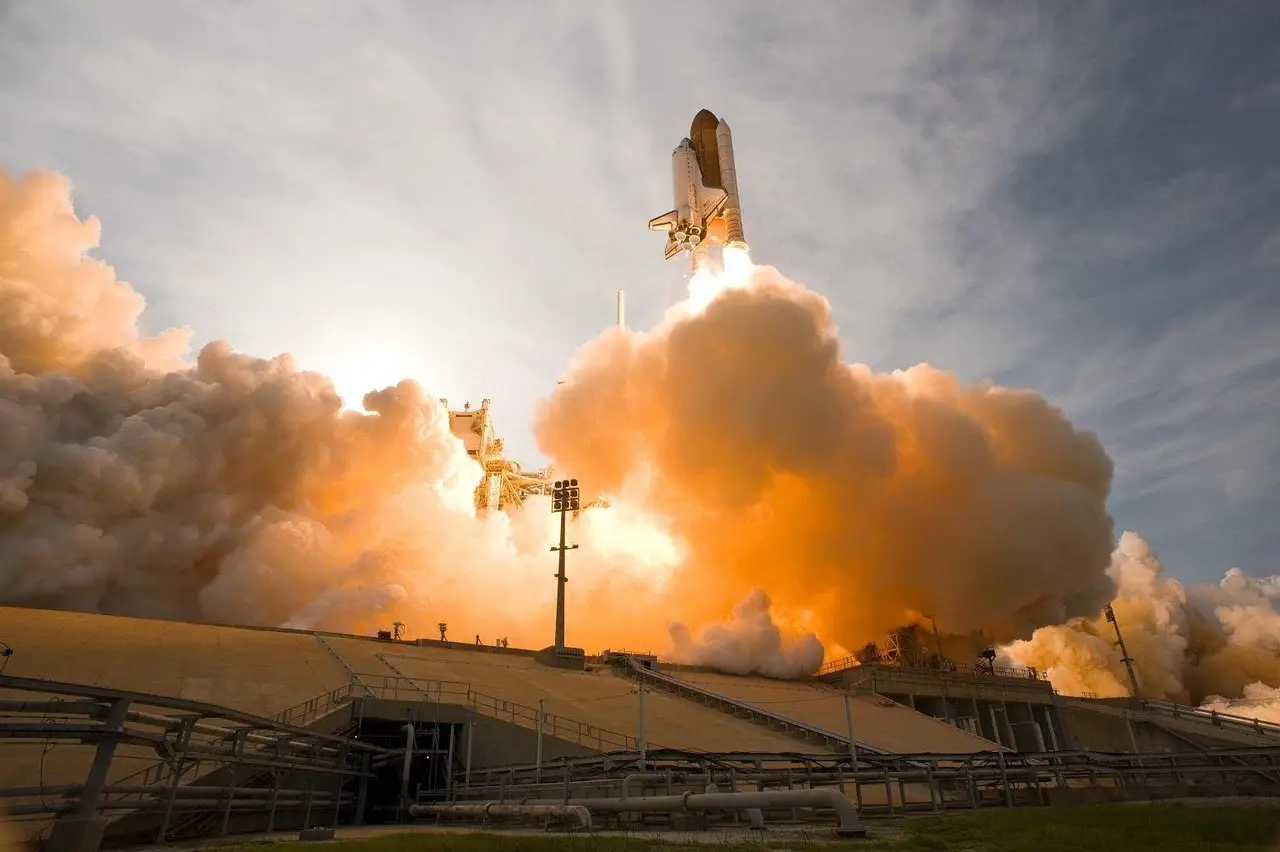
More than 50% of the nearly 330 flights to low Earth orbit in 2025 flew on a single rocket: SpaceX's Falcon 9. In July 2026, SpaceX began turning away Falcon 9 customers to pour its resources into the bigger, still-unproven Starship — and some customers are now paying extra just to grab the few remaining Falcon 9 seats.
Falcon 9 is smaller than Starship, but for 16 years it has been the reliable workhorse of the launch market. It has carried Earth-imaging sensors that feed smartphone map apps, environmental satellites that track wildfires, and the Crew Dragon capsule that ferries astronauts to the International Space Station.
In late 2026, reports emerged that SpaceX is shuffling staff to focus on developing and commercializing Starship while phasing out Falcon 9. Mojtaba Akhavan-Tafti, a research associate professor of climate and space sciences and engineering at the University of Michigan, argues that retiring the rocket threatens to suffocate the commercial space industry it helped create — "unless the public and private sectors step up their efforts to fill the gap Falcon 9's retirement has created."
How did Falcon 9 become the market?
The story starts in 2006. Facing the looming retirement of the space shuttle, NASA awarded contracts to private companies to resupply the International Space Station, and SpaceX's award kick-started Falcon 9 development.
After multiple near-bankruptcies, SpaceX flew Falcon 9's inaugural test flight in 2010. Two years later, in 2012, the Crew Dragon capsule completed its first docking at the ISS.
The real turning point came in 2015, when SpaceX landed a Falcon 9 booster — the rocket's first stage, with its fuel tanks and nine main engines — for the first time. Recovering and reflying that hardware dramatically slashed launch costs.
Boeing, the other NASA contract awardee, struggled with budget overruns and delays on Starliner. Blue Origin pivoted toward suborbital tourism. As a result, Akhavan-Tafti writes, Falcon 9 "did more than just capture the market. It effectively became the market."
The takeaway: cheap, frequent Falcon 9 launches built today's space economy almost single-handedly.
What happens to customers being turned away?
SpaceX's affordable access to orbit enabled startups like TakeMe2Space, an Indian company exploring orbital data centers, and governments expanding operations through SpaceX's secured communications platform, Starshield.
Then the July 2026 shift landed. Bloomberg reported that SpaceX had begun turning away Falcon customers in a major bet on Starship. Almost overnight, the announcement threatened to freeze the launch pipeline the market relied on.
- Customers who can afford it are paying extra to secure the few remaining Falcon 9 slots.
- Others are scrambling for alternative launch opportunities.
- European customers are generally flocking to the European Space Agency's Ariane 6.
- Some are booking slots on upcoming medium-lift rockets such as Rocket Lab's Neutron.
SpaceX remains contractually obligated to fly Falcon 9 for NASA's ISS crew rotations and national security payloads. Everyone else, Akhavan-Tafti notes, is now forced to buy into SpaceX's Starship bet — there is simply "no operational alternative today that can match" Falcon 9's combination of high launch cadence, affordable pricing and proven flight heritage for medium-class payloads.
The takeaway: customers who relied on Falcon 9 now face premium prices and the burden of reconfiguring satellites to fit other rockets.
Is one company controlling the gate to space a security risk?
When a single company controls access to orbit, its internal corporate decisions can make or break an industry. Akhavan-Tafti calls SpaceX "a potential single point of failure," where a setback by one vendor would paralyze the entire space economy.
He draws a direct parallel to Standard Oil in the 1900s. Standard Oil owned critical oil production infrastructure, pipelines and railroads, giving it power to set transport terms, prioritize its own shipments and restrict access for independents. Competitors had no viable alternative routes, and the U.S. government was ultimately forced to intervene. Addressing that single point of failure, he writes, nudged the oil industry to redefine itself and accelerated its growth.
The takeaway: history suggests regulators may eventually treat launch-market concentration the same way they treated oil pipelines.
What if Starship slips?
SpaceX took huge technical and financial bets on Falcon 9, and they paid off in market dominance. Now it wants to repeat the trick, with the promise that Starship will cut the cost of reaching space further.
But Starship has a history of explosions and delays. If it slips, competing launch providers will likely rush to serve the customers SpaceX is turning away — at a steep premium, Akhavan-Tafti warns, with satellite operators also shouldering the cost of reconfiguring payloads for different rockets.
Where does the industry go from here?
The shift, Akhavan-Tafti believes, will cost the industry and inject significant uncertainty into market dynamics within a few years. But it also offers the market a chance to correct course and fill the gap Falcon 9's retirement creates.
His prescriptions are concrete:
- NASA and other public agencies should strategically distribute their payloads across commercial rockets built by other companies, helping validate emerging rocket programs.
- Satellite customers should design standardized payloads that work across multiple rockets, so they don't depend on one launch provider.
- NASA should maintain dedicated launch assistance programs, subsidizing slots so academia and nonprofits don't have to compete on the open market against SpaceX and Blue Origin — payloads that often train the next generation of space workers.
NASA's model proved routine, low-cost space access was achievable: the agency shifted from operating government-owned hardware to buying fixed-price services, becoming a reliable anchor customer that spurred competition. But technical and business challenges — from rivals like Blue Origin's New Glenn explosion to Boeing's Starliner woes — let a single vendor dominate anyway.
Whether Washington treats that dominance as a Standard Oil problem, or competitors fill the Falcon 9 gap fast enough, will decide who controls the gate to space next.
Original: starburst.aero
More from Grace Kim
Show full bio
Market editor covering people, launches and day-to-day practice in entrepreneurship, startups and venture funding at Business Bearings.
1,331 articles