Starkey’s $1 Billion Bet Puts AI Inside Hearing Aids
Starkey has topped $1 billion in sales and is growing at 8% to 10%, roughly double the hearing-aid market rate. CEO Brandon Sawalich credits AI, talent and private ownership.
By Amara Osei
4 min read
What's News
- Starkey sales are well above $1 billion, growing 8%-10% versus the industry's 3%-4%.
- Starkey was nearing $1 billion in annual revenue less than two years before crossing that milestone.
- Sawalich says Starkey introduced AI into hearing aids in 2018.
- Starkey is one of five largest hearing-aid technology companies and the only U.S.-owned and-operated company in that group.
- Starkey's technology agenda has three pillars: better hearing, health monitoring and personal assistance.
By Amara Osei
Starkey’s sales are well above $1 billion, growing 8% to 10% against the hearing-aid industry’s typical 3% to 4%, President and CEO Brandon Sawalich said in an interview. Less than two years after the company was nearing $1 billion in annual revenue, the privately held hearing-aid maker had passed that milestone. Sawalich attributes the performance to an AI “moonshot” made in 2018 and a deliberate shift from manufacturing to technology.
What drove Starkey past $1 billion in sales?
Sawalich put the emphasis on the workforce rather than any one executive or product. “People. It’s the talent and the people of Starkey,” he said. “You’re not going to win a championship without a team. For me, it’s hire for attitude and develop the talent.”
He said Starkey’s culture is designed to foster innovation, with teams expected to develop ideas and identify new possibilities. Sawalich said he hires for attitude, develops talent and avoids positioning himself as the smartest person in the room. That structure has helped Starkey move quickly on technology, he said.
What did Starkey change in 2018?
Sawalich said Starkey became the first company to introduce AI into hearing aids in 2018. The technology can sort background noise and improve sound quality for people who need it, he said. He said the move from manufacturing to technology explains Starkey’s success, rather than leaving it to chance.
Starkey now ranks among the five largest hearing-aid technology companies worldwide, according to Sawalich, and is the only U.S.-owned and-operated company in that group. He said private control over priorities and speed has helped Starkey move with what he calls agility.
How does private ownership affect strategy?
As a privately held company, Starkey can focus on patients and customers without the needs and responsibilities of a public company, Sawalich said. He said the structure lets the company move with speed and remain agile.
Sawalich also said Starkey leads efforts to reduce stigma around hearing loss and educate people about hearing healthcare. He said those efforts include explaining the health benefits of addressing hearing loss. He expects demand for hearing technology to increase worldwide as the population ages.
What does “the ear is the new wrist” mean?
Sawalich said the phrase captured the company’s thinking as Apple Watches and other health-monitoring products expanded. He organized Starkey’s technology strategy around three core pillars:
- Better hearing
- Health monitoring
- Personal assistance
Sawalich compared the personal-assistance goal to Jarvis, the fictional assistant in “Iron Man.” “We’re really not in the hearing aid business. It’s a communication business. It’s really connecting people with people,” he said. That formulation positions Starkey as a communication and health-technology company rather than a conventional hearing-aid manufacturer, he said.
Why did Sawalich pursue the bet despite doubt?
Sawalich said Starkey had an instinct it was headed in the right direction before making the bet. He said the team did not expect to get everything perfect and anticipated doubters saying the technology could not work. Sawalich said listening to that doubt would amount to complacency, which he described as a slow way to die in business. He now describes the 2018 AI decision as a moonshot that has more than paid off.
Why does hearing health extend beyond communication?
Sawalich described hearing as a connection to life, the environment, work and the people around a user. He said worsening hearing loss can make people more secluded and isolated, prompting them to withdraw instead of asking others to repeat themselves. He also said hearing exercises the brain, keeps users active and helps them stay in the moment. For Sawalich, addressing hearing loss carries social and cognitive consequences beyond sound quality.
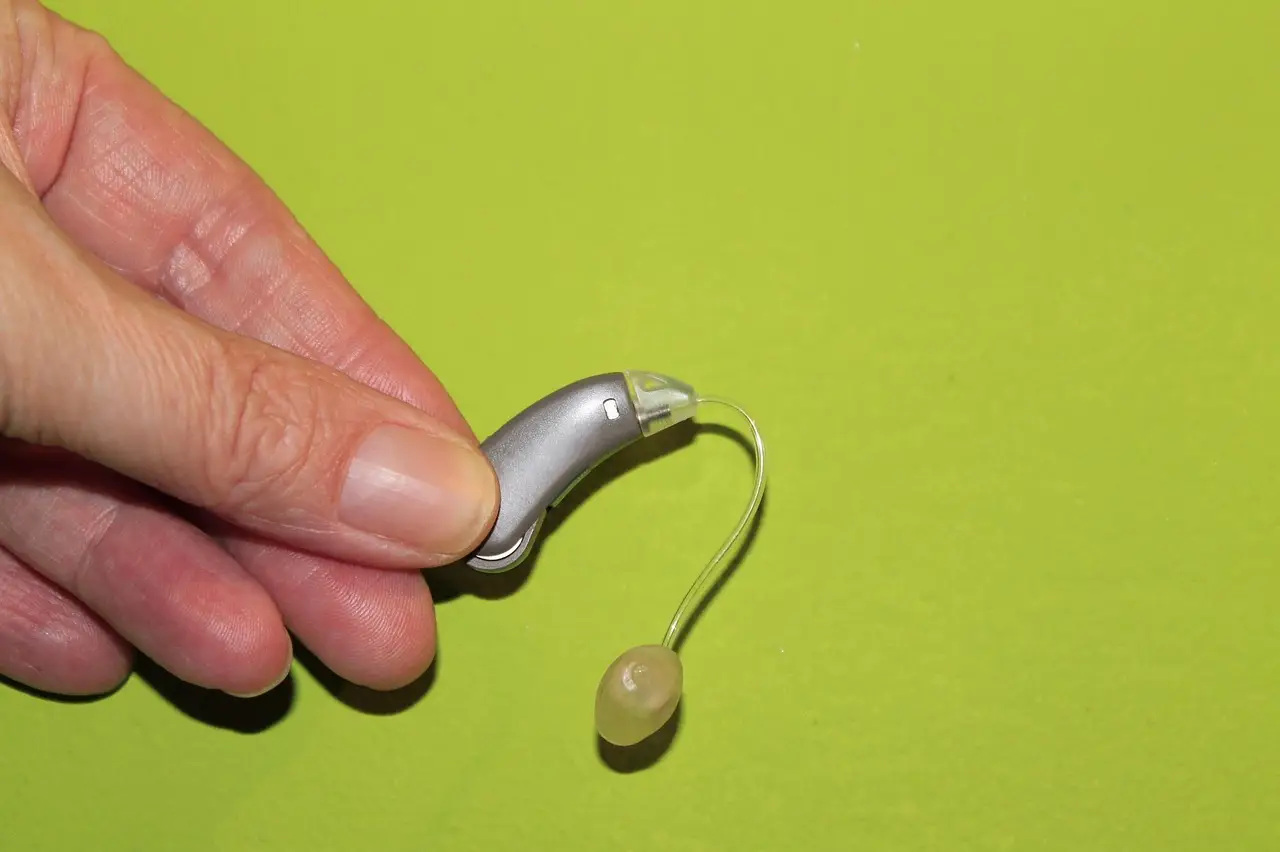
Why does Starkey’s hearing aid look so small?
Sawalich said his own hearing aid is very small and becomes visible mainly when he turns his head. He chose the blue color to make it noticeable and said he wants people to ask about Starkey because that conversation can challenge shame surrounding hearing loss. He said the device restores a wearer’s ability to perform and reconnects the person with experiences that declining hearing can diminish. Sawalich also wants wearers to feel able to be who they are.
Going forward, Sawalich expects worldwide demand for hearing technology to rise as populations age. His three-part agenda must now sustain growth beyond the industry’s 3% to 4% rate while private ownership preserves Starkey’s speed and patient focus.
Original: starkey.com
More from Amara Osei
Show full bio
Senior reporter covering companies, deals and strategy in entrepreneurship, startups and venture funding at Business Bearings.
2,248 articles