Steve Hanke's Best Investment: A $90 Watch Now Worth $100,000
Steve Hanke, 83, bought a Patek Philippe for $90 at 16; it may now fetch over $100,000. His biggest regret: skipping Iowa farmland at $2,100 an acre in 2002.
By Olivia Hart
4 min read
What's News
- Steve Hanke bought a Patek Philippe pocket watch for $90 at age 16; it could fetch over $100,000 today.
- The watch was custom-made for its original owner in 1917 and is a rare collectible.
- Iowa farmland rose from under $2,100 per acre in 2002 to over $11,500 — Hanke never bought.
- Hanke predicted oil below $10 a barrel in 1985 using leverage and short positions.
- Toronto Trust Argentina was the world's top emerging-market fund in 1995 after buying Argentine bonds during the Tequila Crisis.
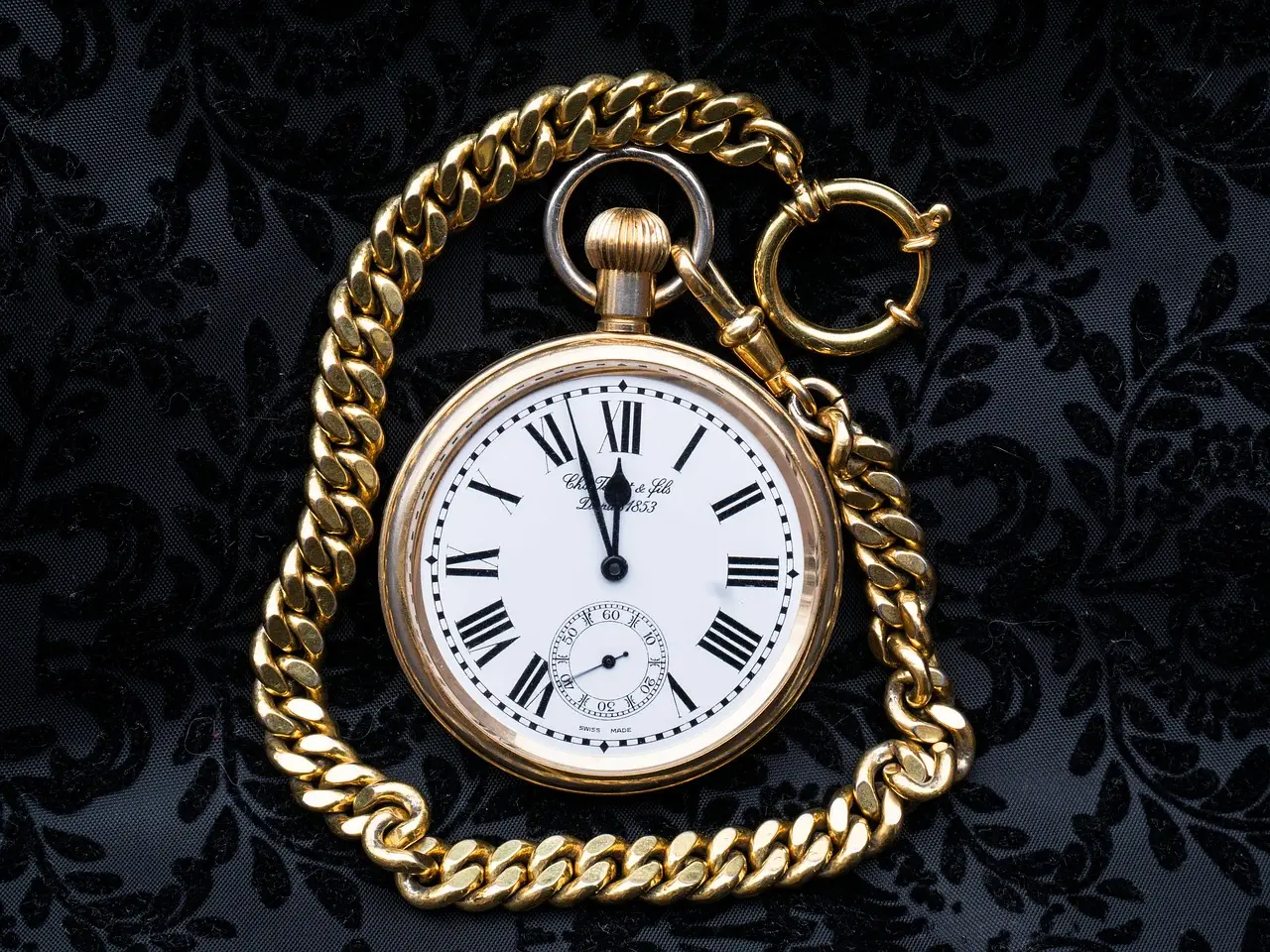
Steve Hanke paid $90 for a Patek Philippe pocket watch at age 16 — and says it may fetch over $100,000 at auction today, more than 1,100 times his purchase price.
Hanke, 83, revealed the details of his best and worst investment decisions in an interview with Business Insider for its "Hits, Misses, and Millions" series. The veteran trader started trading soybeans at 14. He has worked the currency and commodity markets ever since. He is a longtime professor of applied economics at Johns Hopkins University, and he served as president of Toronto Trust Argentina when it ranked as the world's best-performing emerging-market mutual fund in 1995.
The takeaway: a seven-decade hold on a $90 purchase has outperformed most of his professional trades as a story, if not always in dollars.
What makes the watch his best investment?
Hanke bought the timepiece at an auction in Omaha because, as he told Business Insider in a recent email: "I bought that timepiece because it was beautiful and the price was little more than the value of the gold content of the case."
At the time, pocket watches had no collector market. "No one wanted pocket watches," he said. They typically sold for around $40 — roughly the melt value of their gold cases — so he acknowledged he "did pay a bit of a premium for my beauty."
The premium turned out to be a bargain. "As it turns out, I had unknowingly purchased a rare collectible, custom-made for the original owner in 1917," he continued. "I've continued to enjoy the ever-appreciating Patek for 67 years."
Hanke now wears the watch only on special occasions, but "the rest of the time I admire it," he said. He frames that daily pleasure as a non-financial payout. "So, the Patek has generated both a capital gain and significant dividends," he said.
The caveat is worth noting: the $100,000 figure comes from online listings for similar timepieces, not a confirmed sale. A listing price is not a realized price.
What were his biggest professional wins?
The watch is not his only hit. In 1985, Hanke modeled the oil market and anticipated a breakdown in OPEC's production discipline that would send crude prices crashing to under $10 a barrel.
"I was leveraged and short in more ways than you can shake a stick at," he said. When the prediction came true, he called it a "pretty big payday."
The second win came at Toronto Trust Argentina. During the so-called "Tequila Crisis" of 1994 — triggered when the Mexican government devalued the peso and threw emerging markets into turmoil — Hanke and his team "loaded up" on Argentine bonds while others sold. The bet helped the firm outperform all of its emerging-market peers in 1995, he said.
In plain words: contrarian positioning during a panic produced his standout professional result.
What is his biggest regret?
Hanke says he has endured many losses as a trader, but none catastrophic. He credits prudently used stop-loss orders — instructions that tell a broker to sell a security or cover a short at a set price level — with keeping the damage contained.
"In any case, I am a Stoic and don't cry over spilled milk," he added.
His real regret is an investment he never made. "As a farm boy from the state of Iowa, I always wanted to follow in one of my grandfathers' footsteps and invest in Iowa farmland," he said.
In 2002, when the average price of Iowa farmland fell below $2,100 per acre, he was tempted but did not buy. The average price has since risen more than fivefold to over $11,500 an acre, he said. Hanke noted the annual inflation-adjusted rate of return works out to only 5.2% — modest by equity standards — yet the missed purchase, a "mistake of omission" in Warren Buffett's parlance, is "perhaps the only investment regret that I can report."
What is the lesson?
Hanke's watch combines a storied brand, a good entry price, a decadeslong holding period, and a beautiful object that can be worn and admired. His lack of large mishaps speaks to the power of capping losses. His farmland regret shows the cost of failing to act when opportunity arises.
For readers weighing collectibles against farmland, the deeper point is simpler: Hanke's best return came from buying an unloved asset near its intrinsic value and never selling — a discipline he applied better at 16 than at 66.
Source: feeds.businessinsider.com
More from Olivia Hart
Show full bio
Staff writer covering people, launches and day-to-day practice in entrepreneurship, startups and venture funding at Business Bearings.
2,205 articles