Tesla Wants $250,000 Deposits for a Flying Roadster. The FAA Says It's Not an Aircraft
Tesla is taking $250,000 deposits for a SpaceX-thruster Roadster that flew in a Texas demo. The FAA says it isn't an aircraft, and production slips to 2028.
By Amara Osei
4 min read
Updated
What's News
- Tesla set Roadster production for 2028, eight years after the original 2020 target.
- Reservations cost $50,000 for Performance and $250,000 for the Thrust version.
- The FAA says the flying Roadster doesn't meet its definition of an aircraft.
- Promised range fell from 620 miles in 2017 to more than 300 miles now.
- Musk said the Roadster is 'definitely not gonna be a huge contributor to revenue.'
By Amara Osei
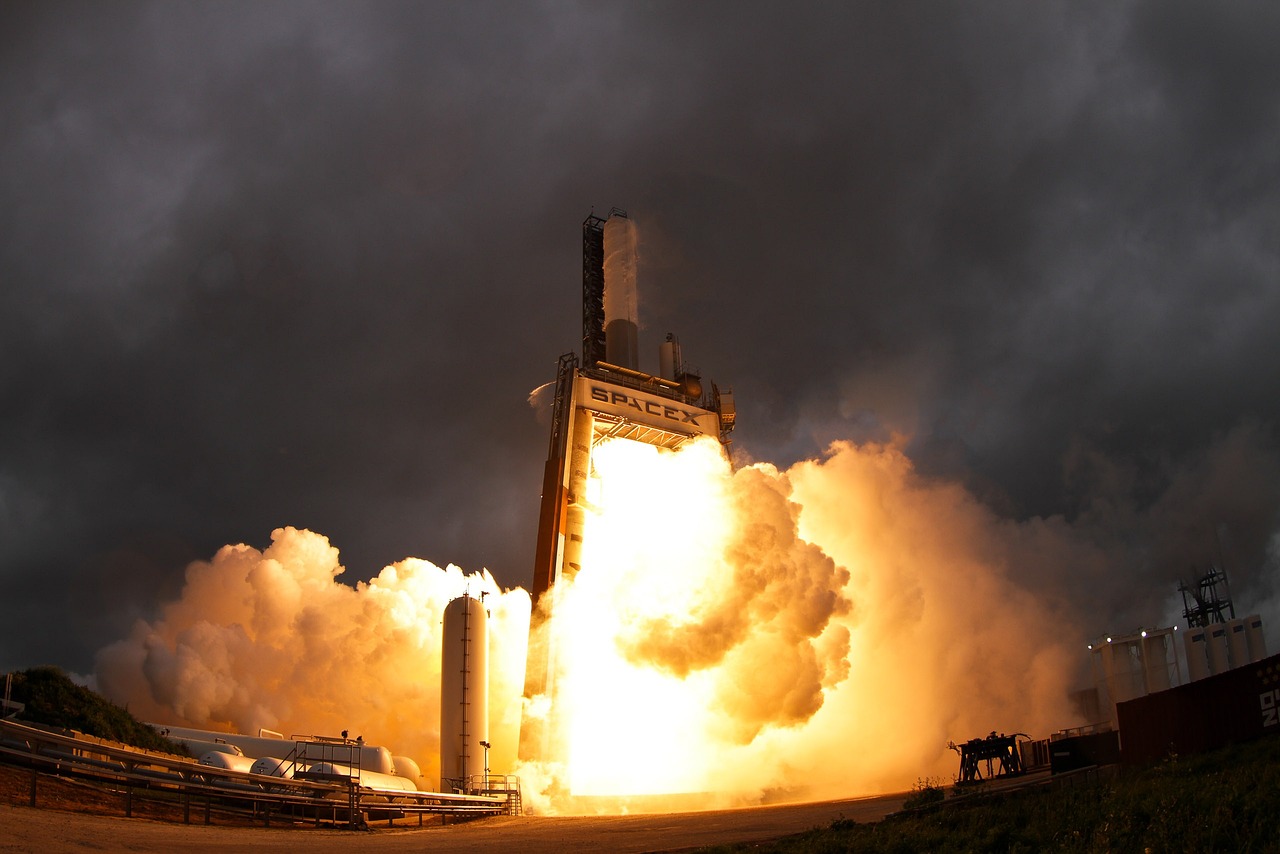
Tesla is collecting $250,000 reservations for a Roadster variant equipped with SpaceX cold-gas thrusters — a car the Federal Aviation Administration says doesn't even qualify as an aircraft. The company demonstrated the vehicle Thursday at SpaceX's rocket test facility in McGregor, Texas, near Waco, in a livestreamed show. Production starts in 2028, eight years behind the original 2020 target.
During the demo, the Roadster drove upside down along a curved ramp, launched into the air, rolled 180 degrees using bursts of compressed air and landed on its wheels. It then used its thrusters to leap over a lineup of Tesla vehicles, including a Cybertruck and a Tesla Semi.
"Turns out the future does have flying cars," CEO Elon Musk wrote on X afterward.
What happened to the original Roadster promise?
Tesla first unveiled the second-generation Roadster in November 2017. Back then, flying wasn't part of the pitch. The company promised an electric supercar hitting 60 mph in 1.9 seconds, seating four people and traveling 620 miles per charge. Reservations opened at $50,000, or $250,000 for one of 1,000 Founders Series cars, with a 2020 launch target.
That date came and went. Musk has treated the sports car as a lower priority than Tesla's other projects and blamed supply chain shortages for earlier delays. On Tesla's October 2024 earnings call, he thanked "the long-suffering deposit holders of the Tesla Roadster" and called the car "not just the icing on the cake, it's the cherry on the icing on the cake."
What are the three versions?
The redesigned Roadster comes in three trims, built around the SpaceX thruster package Musk first floated in 2018:
- Performance: a "road ready" two-seater with active aerodynamics and a fan-driven suction system.
- Thrust: a two-seater adding rear-mounted cold-gas thrusters for sub-one-second acceleration to 60 mph.
- Rocket: an invitation-only single-seater with 10 thrusters arranged around the car that can briefly take flight.
Tesla engineering vice president Lars Moravy said the thrusters run on about 600 liters of rechargeable compressed air. Tesla claims a top speed above 230 mph.
The redesign carries compromises. The original four-seat car now seats no more than two. Tesla promises a range of more than 300 miles — less than half the 620 miles it touted in 2017, according to Reuters.
Who regulates a car that flies?
Nobody, currently. The FAA told CBS News and Politico the vehicle doesn't meet its definition of an aircraft, so the agency wouldn't need to certify it as airworthy. The National Highway Traffic Safety Administration largely relies on automakers to self-certify against federal standards. The Transportation Department said in a statement that NHTSA "will continue to monitor the situation."
Tesla states on its website that the Rocket version is "not approved for public road use." Thursday's display was a prototype demonstration — brief aerial maneuvers, not sustained flight — and Tesla hasn't said how long or how far the Roadster can stay airborne.
Musk isn't pitching it as safe, either. "This is not necessarily a safety-optimized car, OK?" he said during the reveal.
Does the Roadster matter to Tesla's balance sheet?
Not much. Reservations run $50,000 for Performance and $250,000 for Thrust; the Rocket version's fee isn't public. Tesla hasn't announced final prices for any trim, and it hasn't said what happens to customers who deposited on the 2017 version, according to Jalopnik.
At Tesla's 2023 annual shareholder meeting, Musk said the Roadster was "definitely not gonna be a huge contributor to revenue." Wall Street agrees. The Roadster "will not move the volume or revenue needle," Dan Ives of Yorkville Ives wrote in a research note, according to CBS News.
TechCrunch described the car as a "halo car" — a showcase for Tesla's technological ambitions rather than a volume seller. The reveal landed days before Tesla reports third-quarter results, which analysts say matter far more to investors.
What's next?
Thursday's demonstration had no driver — just a mannequin in a SpaceX spacesuit, a nod to the "Starman" dummy that rode Musk's original Roadster into space in 2018. Musk said the car operated autonomously for safety reasons. He has also said the Roadster will eventually be the only manually driven car Tesla makes, even as the company pivots toward autonomous driving and humanoid robots. Investors watching next week's earnings will learn whether the spectacle moves anything beyond the deposit line.
Original: youtube.com
More from Amara Osei
Show full bio
Senior reporter covering companies, deals and strategy in entrepreneurship, startups and venture funding at Business Bearings.
943 articles