Texas Bill Would Force Data Centers to Closed-Loop Cooling
Senator Charles Perry's SB 338 would mandate closed-loop cooling for new Texas data centers, cap tax abatements at 50% of market value, and tie grid interconnection to water compliance.
By Nathan Brooks
4 min read
What's News
- SB 338 would require closed-loop cooling or equally water-efficient technology for new Texas data centers; evaporative systems use about 3.8 times more cooling water, per PUC testimony.
- Only 155 of 377 surveyed data center facilities responded on time to PUC water usage information requests.
- The bill would cap local property tax abatements at 50 percent of a facility's market value.
- Compliance would become a condition of state regulatory approvals, grid interconnection, and tax abatements.
- Fifteen senators, including one Democrat, jointly authored the bill after a seven-hour September committee hearing.
Texas Senator Charles Perry filed Senate Bill 338, a bill that would require new data centers to use closed-loop cooling, cap local tax abatements at 50 percent of a facility's market value, and tie state approvals and grid interconnection to compliance with water and nuisance rules. The Lubbock Republican, who chairs the Senate Committee on Water, Agriculture, and Rural Affairs, introduced the measure with a bipartisan coalition of 15 Senate joint authors.
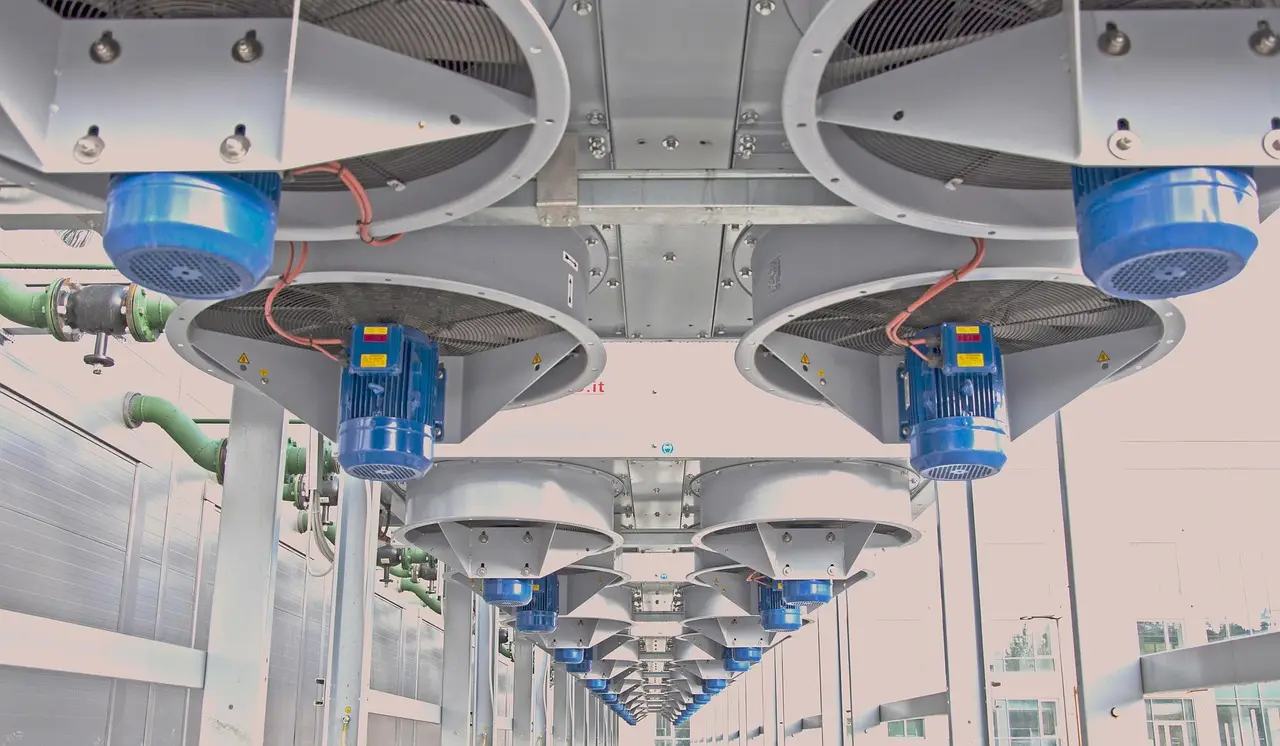
The bill follows a seven-hour Senate committee hearing Perry chaired in September. There, the Public Utility Commission of Texas delivered the number that anchors the legislation: data centers using traditional evaporative cooling consume roughly 3.8 times as much water for cooling as facilities running closed-loop systems. Put simply, an operator still on evaporative cooling is drawing nearly four times the water per facility than a compliant rival.
That gap is the heart of SB 338. Future data center developments would have to use closed-loop cooling, technologies at least as water-efficient, or alternative water sources — brackish water, seawater, and produced water all qualify under the bill. Developers would also have to disclose anticipated water needs up front, and operators would report actual annual consumption, giving state water planners real data on the industry's draw.
Why the disclosure mandate matters
The PUC's September testimony exposed how little the state actually knows. Only 155 of the 377 data center facilities surveyed responded on time to requests for water usage information. That means Texas is planning its water future with data from fewer than half of the facilities in the state.
"Water is not an unlimited resource," Perry said. "Our farmers, ranchers, families, and communities depend on it every single day. We cannot responsibly plan for Texas's future if we do not even know how much water these facilities are using or where that water is coming from."
What does this change for operators and developers?
The enforcement mechanism is the real story for the industry. Compliance with the bill's water conservation, reporting, and nuisance requirements would become a condition of certain state regulatory approvals, electrical grid interconnection, and local property tax abatements. Future abatements would carry additional conditions: restrictions on cooling technologies, environmental cleanup obligations, and the 50 percent cap on a facility's market value.
SB 338 also targets neighborhood impacts beyond water. The PUC would gain authority to set statewide standards on noise, light pollution, and effects on neighboring properties — including potential buffer zones and dark-sky requirements for future facilities.
"People work their entire lives to buy a home and raise a family," Perry said. "They should not have to worry about a massive industrial development moving in next door and disrupting their lives without reasonable protections in place. Property rights matter, and the rights of existing homeowners deserve consideration alongside the interests of new development."
Perry draws a line between good and bad actors
Perry conceded that some operators have failed to engage local communities, but he was quick to note that many are already doing what SB 338 would demand. Responsible developers, he said, are investing in regional water supplies and infrastructure, generating new tax revenues, and funding long-overdue improvements to local schools, water systems, and power infrastructure.
"Texas has always welcomed innovation, investment, and economic growth. That is not going to change," Perry said. "But being open for business does not mean giving businesses a blank check. We have plenty of room for responsible development without making excuses for those who refuse to respect the people and communities around them."
He framed the requirements as a floor, not a punishment. "We are not asking companies to stop investing in Texas," Perry said. "We are asking them to use available technology to conserve water, be transparent about their operations, respect surrounding communities, and take responsibility for the impacts of their developments. Many companies are already doing these things, proving that responsible development and economic opportunity can go hand in hand."
The 15 joint authors span the Republican caucus — including Donna Campbell, Joan Huffman, Bryan Hughes, Lois Kolkhorst, Tan Parker, Angela Paxton, and Kevin Sparks — plus Democrat Juan "Chuy" Hinojosa of McAllen, giving the bill early bipartisan cover.
For data center operators weighing Texas sites, the practical calculus shifts: closed-loop cooling, water reporting, and community-facing design move from nice-to-have to the price of grid access and tax breaks. "That is the balance we intend to strike with Senate Bill 338," Perry concluded.
Source: gilmermirror.com
More from Nathan Brooks
Show full bio
News editor covering regulation, policy and their impact on entrepreneurship, startups and venture funding at Business Bearings.
2,084 articles