TIER IV Will Run Driverless Dump Trucks at a Japanese Port by 2028
TIER IV and Shunan Bulk Terminal will automate a coal and biomass truck route at the Port of Tokuyama-Kudamatsu, targeting driverless operations by the end of 2028.
By Nathan Brooks
3 min read
What's News
- TIER IV and Shunan Bulk Terminal aim for driverless dump-truck operations at the Port of Tokuyama-Kudamatsu by the end of 2028.
- The collaboration was announced on November 12, 2026, with Tokuyama supporting the project.
- The initial route runs from Shunan Bulk Terminal's storage area to Tokuyama's in-house power generation facilities.
- The autonomous dump truck will run on Idemitsu Renewable Diesel supplied by shareholder Idemitsu Kosan.
- TIER IV's autonomy stack is built on Autoware, its open-source autonomous-driving software.
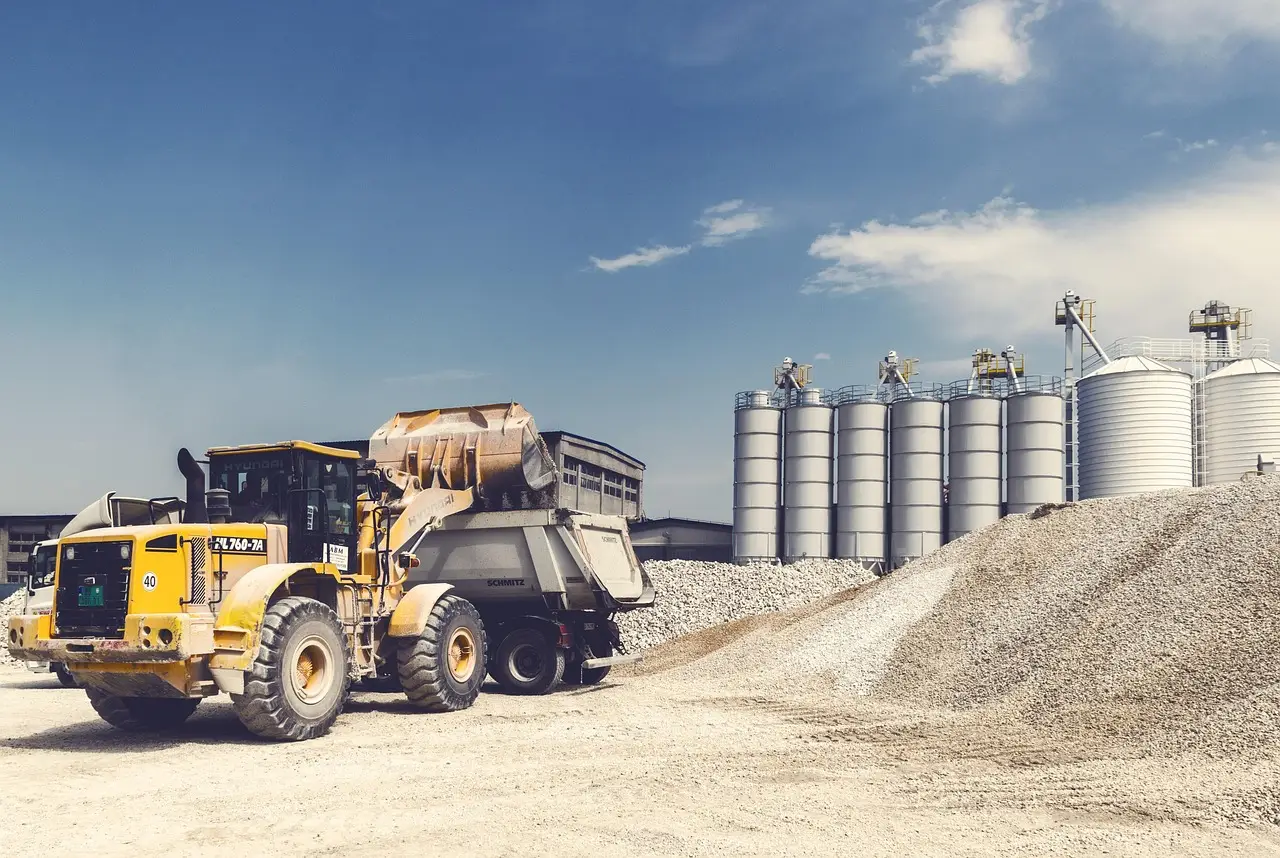
TIER IV has set a hard deadline: driverless dump trucks operating inside Japan's Port of Tokuyama-Kudamatsu by the end of 2028. The company announced the collaboration with Shunan Bulk Terminal on November 12, 2026, with Tokuyama, the chemical manufacturer that owns the terminal, backing the project.
The first target is narrow and concrete. The partners will automate an existing truck route that runs from Shunan Bulk Terminal's storage area to Tokuyama's in-house power generation facilities. Beyond the driving technology itself, the companies will build the operational framework the site needs, including requirements tied to Tokuyama's receipt of energy resources.
That detail matters more than it looks. The trucks aren't moving generic freight. They're hauling coal and biomass fuels that feed Tokuyama's own boilers, which produce the electricity and steam behind its chemicals and advanced electronic materials. The automation project sits directly inside the manufacturer's energy supply chain, so every driverless delivery connects to live industrial processes at the destination.
Who the partners are
Shunan Bulk Terminal handles bulk-cargo unloading, storage and dispatch at the Port of Tokuyama-Kudamatsu, an international bulk strategic port on the Seto Inland Sea in Yamaguchi Prefecture. It's a consolidated subsidiary of Tokuyama. TIER IV brings the autonomy stack, built on Autoware, its open-source autonomous-driving software that already spans public transportation plus construction, agricultural and factory-transport vehicles.
The split of labor is clean: TIER IV develops, deploys and operates the self-driving technology; Shunan Bulk Terminal supplies the dump-truck transportation expertise and the site.
Why now?
The companies point to Japan's aging, shrinking workforce and the driver shortages it produces. They also cite demand for labor-saving and more sustainable transportation at ports and nearby coastal areas. Japan's coastal industrial ports carry trade with Asian and other global markets while storing and moving raw materials and energy for manufacturers, so the labor problem compounds across the whole chain.
There's an emissions angle too. The autonomous dump truck is planned to run on Idemitsu Renewable Diesel, a biofuel supplied by Idemitsu Kosan, one of Shunan Bulk Terminal's shareholders. Pairing driverless operation with renewable fuel gives the project a dual rationale: cut labor demand and cut greenhouse-gas emissions from transportation at the same time.
What does this change for port operators?
For practitioners, the interesting part isn't the sensor kit. It's the model. TIER IV and Shunan Bulk Terminal are developing the technology and the site's operating rules together, as one package, for one defined route inside a working industrial facility. That's a template for closed-course industrial autonomy: prove driverless haulage on a fixed, fuel-critical route, then replicate it.
The partners say exactly that. After building deployment and operating experience on the initial route, they plan to explore automating similar transportation operations in and around the Port of Tokuyama-Kudamatsu. They frame the current collaboration as the source of the knowledge that broader effort would build on.
The catch is sequencing. The technical system and the site's operating framework have to mature together before the experience can transfer beyond the original route. Integration with Tokuyama's existing energy-supply process is central to the project's wider value, not an afterthought.
A two-year runway to unmanned operations on a live industrial route is ambitious. If TIER IV hits the 2028 target, it will have a reference case for autonomous bulk hauling that other Japanese port operators, facing the same driver shortages, can evaluate against their own fuel and materials logistics.
Source: unite.ai
More from Nathan Brooks
Show full bio
News editor covering regulation, policy and their impact on entrepreneurship, startups and venture funding at Business Bearings.
2,029 articles