Treasury Yield Curve Flattens: A Warning Signal for Stocks
The 2-10 year Treasury yield gap has narrowed to 22 basis points from 75 in February. Financials fell 1.8% Tuesday, and utilities are down 4.8% this year.
By Daniel Okafor
2 min read
Updated
What's News
- The 2-year Treasury yield sits only about 22 basis points below the 10-year yield, down from about 75 basis points in February.
- Guy LeBas of Janney Montgomery Scott said the yield curve could invert and that a collapse to zero is more likely than a rebound to 50 basis points.
- S&P 500 financial stocks fell 1.8% on Tuesday and utilities were down 4.8% year-to-date, according to FactSet.
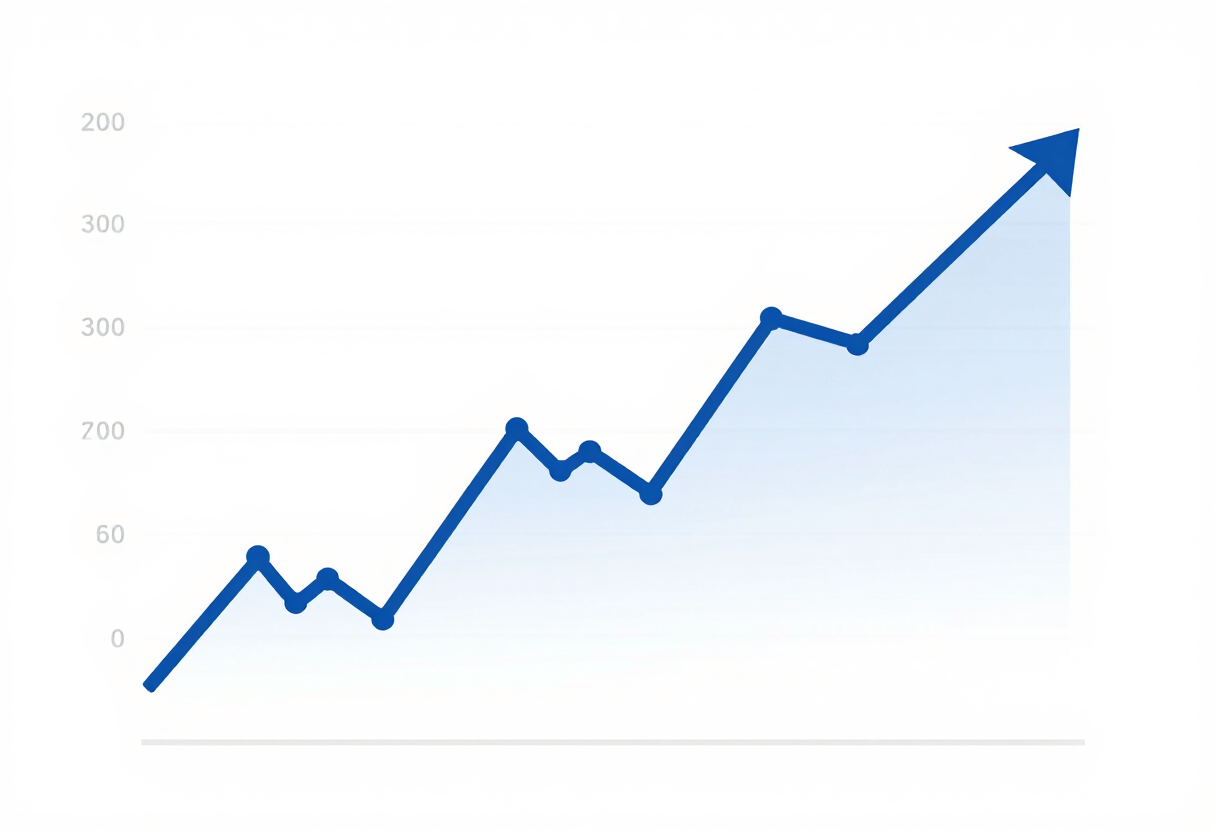
The gap between the 2-year and 10-year Treasury yields has narrowed to roughly 22 basis points, down from about 75 basis points in February — a flattening in the $31.5 trillion Treasury market that has historically warned of trouble for stocks and the U.S. economy.
The yield curve — the spread between shorter-term and longer-term yields — has flattened dramatically since the start of the Iran war, as oil prices surged and Wall Street began bracing for the Federal Reserve to deploy interest-rate hikes to crack down on inflation.
Traders have pushed the policy-sensitive 2-year Treasury yield dramatically higher over roughly the past seven months. They did so in anticipation of the Fed kicking off its second rate-hiking cycle since 2020.
An inversion now looks more likely. That is the point at which the 2-year yield rises above the 10-year yield. When the two yields move that close together, people tend to start talking again of the predictive power of the yield curve, which has often preceded past recessions. It can also hurt certain sectors of the market, particularly financials.
"The yield curve could invert," said Guy LeBas, chief fixed-income strategist at Janney Montgomery Scott, on Tuesday. Once the gap narrows this much between long- and short-end yields, it rarely stays there, he said. It usually moves out to about 50 basis points, or collapses to zero.
"I'd say zero" is more likely, LeBas added.
Recession Risk, With Caveats
Past U.S. recessions occurred about a year after inversions. But the signal is not infallible. Researchers at the Cleveland Fed count "three notable false positives": late 1966, "a very flat curve in late 1998," and the late 2022 to late 2024 inversion.
Yet even a flatter yield-curve environment carries costs. Banks stand to earn less on bread-and-butter activities, such as making longer-term loans to customers, relative to the interest they pay out to clients on short-term deposits.
Sectors Already Feeling It
The damage is visible in sector performance. Financial stocks in the S&P 500 fell another 1.8% on Tuesday, on pace to largely erase their gains for the year, according to FactSet. Utilities, another capital-intensive group, already were down 4.8% on the year through Tuesday.
If LeBas is right and the curve collapses to zero, the squeeze on bank lending margins would deepen — and the equity sectors most dependent on cheap, long-term funding would face the next round of pressure.
Original: marketwatch.com
More from Daniel Okafor
Show full bio
Correspondent covering business strategy at Business Bearings.
234 articles