Two deaths tested a restaurant chain’s crisis response
After two diners fell ill following raw-oyster meals and later died, Henry J. Evans says a restaurant chain delayed its apology until medical records showed no evidence of staff failure.
By Olivia Hart
5 min read
What's News
- Two customers at different restaurant locations fell ill over a little more than a week after eating raw oysters; both later died.
- The investigation took several weeks; Evans says the records showed preexisting hepatitis C in both customers, with no evidence of staff failure or other customers becoming sick.
- A major retailer’s sales fell more than 40% in 2009 while managers enforced five-year growth targets set before the crash.
- Evans recommends 90-day sprints, allocating 60%-75% of effort to crisis work and 15%-20% outside crises.
- Evans draws his crisis-leadership experience from more than 22 years in counterterrorism.
By Olivia Hart
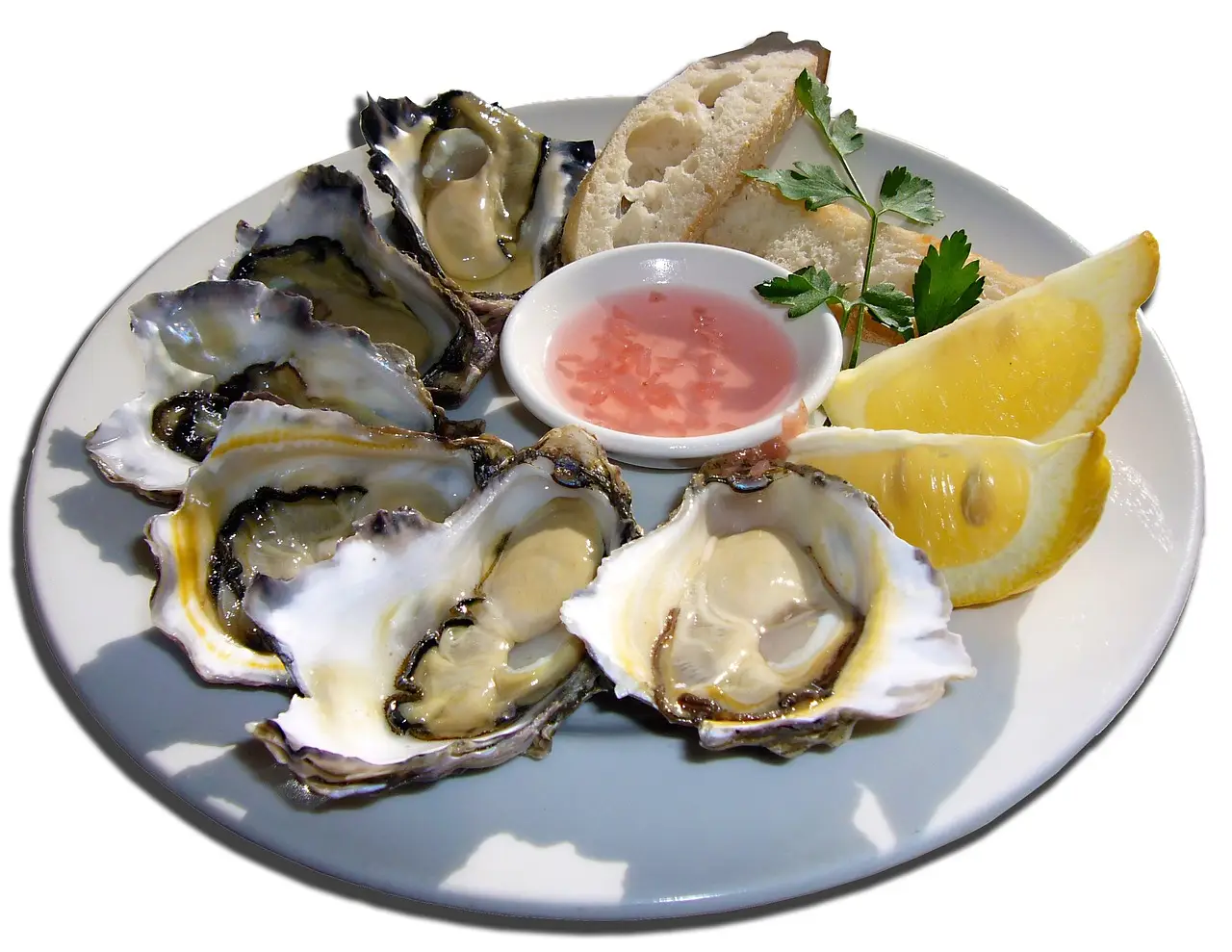
Two customers at different restaurant locations fell ill over a little more than a week after eating raw oysters, and both later died, according to executive coach Henry J. Evans.
Evans sat in the chain’s crisis conference room as pressure mounted. PR advisers drafted a CEO apology that would accept responsibility and promise improvement, while lawyers discussed quick settlements with the bereaved families.
What made an immediate apology risky?
Evans did not know whether the restaurants had caused the deaths. A rushed admission could mute the backlash but fix the chain’s reputation around negligence the company had not established; he warned that quick settlements could send the same signal.
One lawyer asked: “Do we know anything about their preexisting health conditions?” Evans said that question prompted him to call for a pause and wait for more information.
The company instead offered sympathy and condolences, said it was launching an investigation and promised to report back. Several weeks of negative press and angry social media followed.
Evans said the medical records showed that both customers had preexisting hepatitis C, which made raw seafood extremely dangerous for them. Their doctors had warned them to avoid oysters and other foods, but they ignored those warnings.
Evans reported no evidence of staff failure and no other customers getting sick. The chain announced the findings with renewed condolences, said its food was safe when customers followed their medical guidelines, and saw the bad press subside. Evans wrote: “We needed to wait, for the benefit of tomorrow.”
The account gives no chain name, locations, dates, regulatory findings or litigation outcome. Without the medical records or an independent causation review, the lesson rests on Evans’s coaching account rather than a public adjudication.
Takeaway: Verified causation should come before an admission of fault.
How should leaders balance today against tomorrow?
Evans frames crisis decisions as a pendulum between today and tomorrow. He calls the stress response an “amalgdala hijacking,” which pushes leaders toward fast relief even when the quick solution creates more damage later. He says today feels known while tomorrow remains uncertain, yet even extreme uncertainty requires balance; long-term fixation can hide deteriorating results, while immediate reactions can damage tomorrow.
He says leaders should run their to-do lists through four checks:
- If only four priorities could be completed at the expense of everything else, which four would you choose?
- Do those four balance today’s needs against tomorrow’s?
- If a priority applies only to the next week or month, could it damage intermediate or long-term goals?
- Is the company so focused on tomorrow that it may not survive if it cannot solve today’s problem?
After answering, Evans says leaders should align action steps and calendars with the chosen balance. He treats each task and commitment as a promise to the company’s future self, comparable to promises to customers and stakeholders, while warning that strategy cannot rescue a company that fails to solve the present crisis.
Takeaway: Balance the next day without ignoring the emergency.
What did the 2009 retailer show?
During the 2009 global financial crisis and recession, companies nationwide saw sales decline. Evans’s strategy execution firm worked with a major retailer whose sales fell more than 40%; it had no contingency plan yet continued requiring unit heads to meet five-year growth targets set before the crash.
Most unit heads missed those targets, and the company fired them. Evans said the economy recovered, but the retailer kept struggling as competitors grew and its top talent joined rivals, motivated to outperform the company that had dismissed them.
He does not identify the retailer or provide data beyond the sales decline. The anecdote cannot show how common rigid planning was, but it tests a specific risk: treating pre-crash assumptions as current facts.
Takeaway: Pre-crash targets can become self-defeating when conditions change.
How much time should go to crisis work?
Evans recommends 90-day sprints rather than five-year plans. In normal periods, he says, no more than 15% to 20% of sprint activity should cover short-term, routine work.
During a crisis, he would raise that allocation to 60% to 75% of everyone’s time and effort. He rarely recommends going to 100%, because a baseline of long-term work lets leaders restore strategic focus as the crisis recedes.
The ratios are his prescription, not outcomes measured in the restaurant case. The source gives no benchmark for choosing a precise allocation.
Takeaway: Keep a protected minimum of strategic work during the emergency.
How can a leader regain judgment under pressure?
Evans says his crisis-leadership experience comes largely from more than 22 years in counterterrorism and from crises he has survived. His first step is to interrupt the amygdala hijack in himself and the team so people can think objectively.
He recommends four-count breathing—inhale, hold, exhale, hold—repeated four or five times or until panic eases. Factual prompts, such as what someone ate for breakfast yesterday or the color of their underwear, can ground attention.
He also asks teams to recall earlier crises that looked worse but ended less badly, including a lost Client X followed by new client wins before cash ran out. These tools control emotion; they do not decide the case.
Takeaway: Calm the team first, then test the decision against facts.
The next leadership team should test whether its immediate response remains defensible once missing facts arrive. In this account, waiting worked only because later evidence supported the restaurant’s position.
Original: info.entrepreneur.com
More from Olivia Hart
Show full bio
Staff writer covering people, launches and day-to-day practice in entrepreneurship, startups and venture funding at Business Bearings.
2,238 articles