Uber and Zipline Launch Drone Delivery in Texas, Targeting One Million Flights a Day
Uber and Zipline started drone food delivery in Spring, Texas, aiming for one million daily deliveries by 2029. Orders up to eight pounds drop by tether from 300 feet.
By Nathan Brooks
3 min read
What's News
- Uber and Zipline target one million drone deliveries per day by the end of 2029
- Commercial service launched Tuesday in Spring, Texas, with Dallas next
- Drones carry orders up to eight pounds at 70 mph from about 300 feet, delivering by tether
- Zipline raised $1.5 billion last week from investors including Uber
- Zipline received FAA Part 135 air carrier certification in 2022
Uber Eats customers in Spring, Texas, can now get their lunch delivered by an autonomous Zipline drone — the first commercial launch under a partnership announced earlier this year between Uber and the drone delivery startup.
The service kicks off Tuesday in the Houston suburb before expanding to Dallas. The ambitions run far wider. Uber and Zipline plan to roll out drone delivery in dozens of additional U.S. cities as they chase a target of one million deliveries per day using Zipline's drones by the end of 2029.
That's roughly 14 deliveries every second of every day, around the clock — a volume that would put drone delivery on par with major ground-based courier networks.
How the delivery actually works
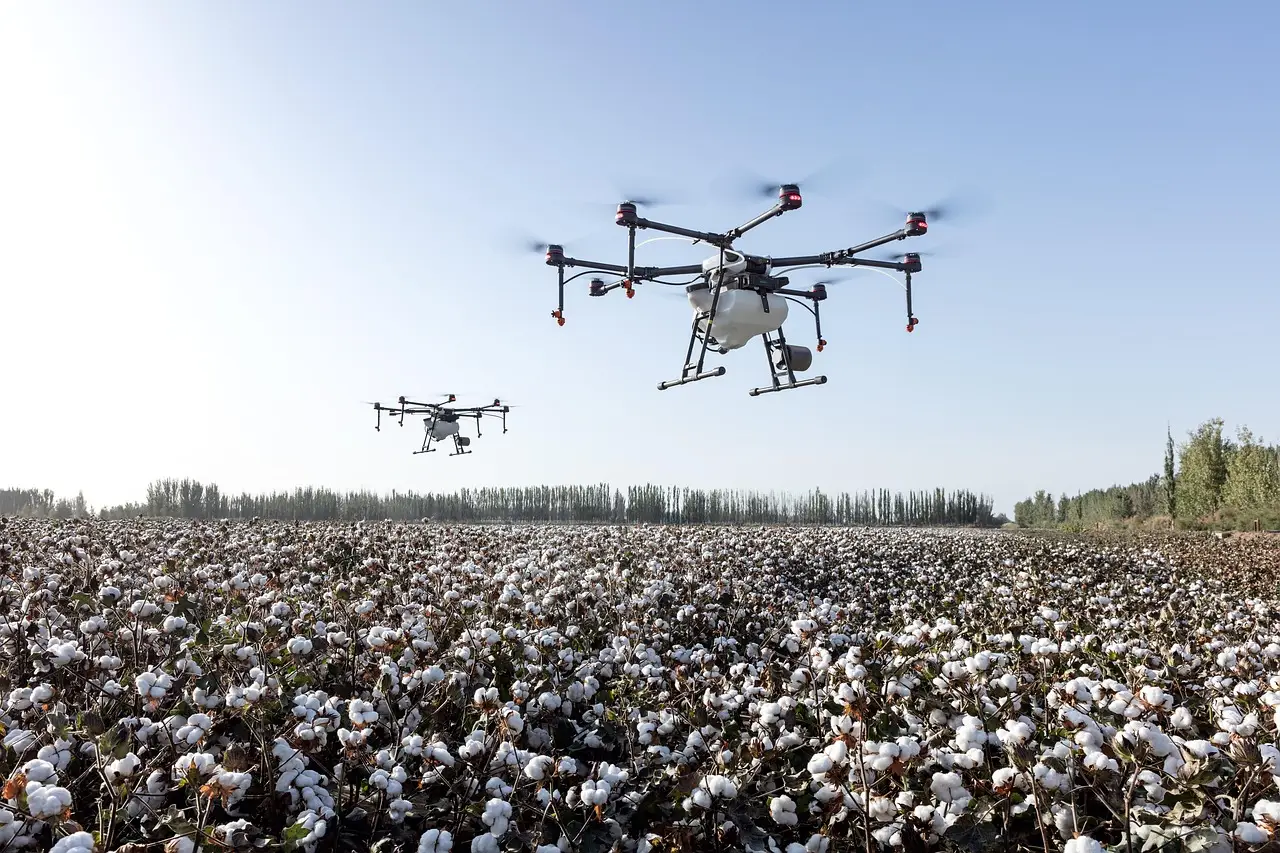
Zipline's long-range autonomous drones carry food orders weighing up to eight pounds, flying about 300 feet above the ground at speeds up to 70 miles per hour. The drones never land. Instead, they lower each order — encased in a small protective pod — to the customer's location on a tether.
For customers, the change is app-level. Uber Eats users in service areas will see a new "drone" icon on the app's home page that surfaces all participating restaurants.
At launch in the Houston area, several nationwide chains, including Jersey Mike's and Zaxby's, will offer drone delivery, alongside dozens of local restaurants such as Urban Bird and Abu Omar Halal.
"In partnership with Uber Eats we're going to create a new expectation for delivery in America," Zipline CEO and co-founder Keller Cliffton said in a statement.
What does this change for the delivery market?
The launch puts commercial weight behind a model that Alphabet-owned Wing and Amazon's Prime Air have been testing for years. It also lands amid friction. Residents in some locations where drones operate complain about noise, and worry the aircraft will disrupt wildlife and pose risks to safety and privacy.
Industry proponents counter that drone delivery is a net benefit for society, citing advantages such as traffic reduction. Customers won't need to hop in their cars and drive to the store for a forgotten item or takeout order, they argue.
Still, adoption remains early. Even though Zipline and its rivals have been developing aircraft for years, the industry is nascent, and so is uptake in the communities where the services already operate.
Zipline's road to commercial scale
Zipline, founded in 2014, has built a full drone delivery ecosystem: aircraft, launch and landing systems, and logistics software. The California-based company started by delivering blood in Rwanda before expanding its scope to the United States.
The U.S. business scaled quickly after Zipline received its Part 135 air carrier certification from the Federal Aviation Administration in 2022. That certification, a critical regulatory hurdle, authorized the company to conduct long-range commercial drone deliveries — the permission most competitors are still working toward at scale.
Uber's tie-up with Zipline goes beyond a commercial arrangement. The ride-hailing giant also invested in the startup. Neither company has disclosed the amount, but Zipline announced last week that it had raised $1.5 billion in a round led by Paradigm, WCM Investment Management, and Layer Global, with Uber among the backers.
That capital gives Zipline room to build out the dozens of city launches the partnership envisions. Whether the one-million-deliveries-per-day target lands by 2029 depends less on technology than on how quickly regulators approve routes — and how many communities decide the hum of a 300-foot drone overhead is a fair trade for takeout at the door.
Source: TechCrunch
More from Nathan Brooks
Show full bio
News editor covering regulation, policy and their impact on entrepreneurship, startups and venture funding at Business Bearings.
2,264 articles