UK Bills Set to Jump £460 as Energy Superpowers Pull Britain Apart
British Gas, EDF and E.ON forecast a £460 annual bill jump from January as Hormuz, Rosebank and China's clean-tech grip squeeze UK households.
By Grace Kim
4 min read
What's News
- UK bills could jump more than 25% in January, about £460 a year, per British Gas, EDF and E.ON forecasts.
- Ministers blocked Ming Yang's £1.5bn turbine factory in March but approved the Jackdaw gas field last month; Rosebank decision expected within weeks.
- The Ukraine shock cost UK households £63bn, around £2,200 each, per ECIU and E3G.
- China's March exports of solar panels, batteries and EVs hit a record, up 70% year on year, per Ember.
- UN pledges now total just a 6% emissions cut by 2035 — a tenth of what scientists say is needed for 1.5C.
UK households face a jump of more than a quarter in their energy bills from January — roughly £460 extra a year for a typical home — according to the latest forecasts from British Gas, EDF and E.ON.
The trigger sits thousands of miles away. Since US and Israeli strikes on Iran in February effectively closed the Strait of Hormuz, oil and gas prices have soared. For the second time in four years, a distant war is landing in British inboxes.
Winter will squeeze harder. Europe's gas stores are at their lowest since records began in 2011, just as heating demand rises.
Two decisions, two directions
The numbers behind Britain's exposure are stark:
- The last shock, after Russia's invasion of Ukraine, cost households £63bn — about £2,200 each, per the Energy and Climate Intelligence Unit and E3G.
- Less than half of UK gas now comes from North Sea fields.
- The UK buys nearly a quarter of imported gas from America and much of its clean-energy kit from China.
In March, ministers blocked Ming Yang, one of China's biggest wind turbine makers, from building a £1.5bn factory at Whiteness Head near Inverness that would have created up to 1,500 jobs, citing national security after US lawmakers urged the block. Last month, they approved the new North Sea gas field Jackdaw.
Energy Secretary Miatta Fahnbulleh was unequivocal when pressed on bills versus climate: "With the cost of living biting, affordability is my overriding objective, without a doubt."
"We are far too exposed to global markets we have no control over," she told the BBC. "What's the solution to that? Homegrown clean energy."
Would drilling actually cut bills?
The pressure to drill is loud. Within hours of Jackdaw's approval, President Donald Trump posted on Truth Social: "They should go FULL BLAST!!! TAKE DOWN THE COSTLY AND RIDICULOUS WINDMILLS!" Conservative leader Kemi Badenoch told the prime minister to "stop faffing about" and approve drilling, calling it "the only way we can protect families from rising bills". Reform UK's Richard Tice said: "If we use our own gas… that will bring our bills down."
Fahnbulleh disagrees. "No, it doesn't," she said. "In the end, the oil and gas is sold on global markets."
The arithmetic backs her up. North Sea output has fallen more than two-thirds since its 1999 peak, and the Office for Budget Responsibility expects declines of around 10% a year — even assuming Rosebank goes ahead. Jackdaw holds a few months of UK gas demand; Rosebank, west of Shetland and about seven times the emissions of Jackdaw, contains less than a year's worth of oil consumption. A cabinet-splitting decision on Rosebank is expected within weeks.
Tessa Khan of the campaign group Uplift argues Rosebank "doesn't really do anything for energy security" and "sends a very dangerous signal about the UK's seriousness about addressing climate change".
What about building instead?
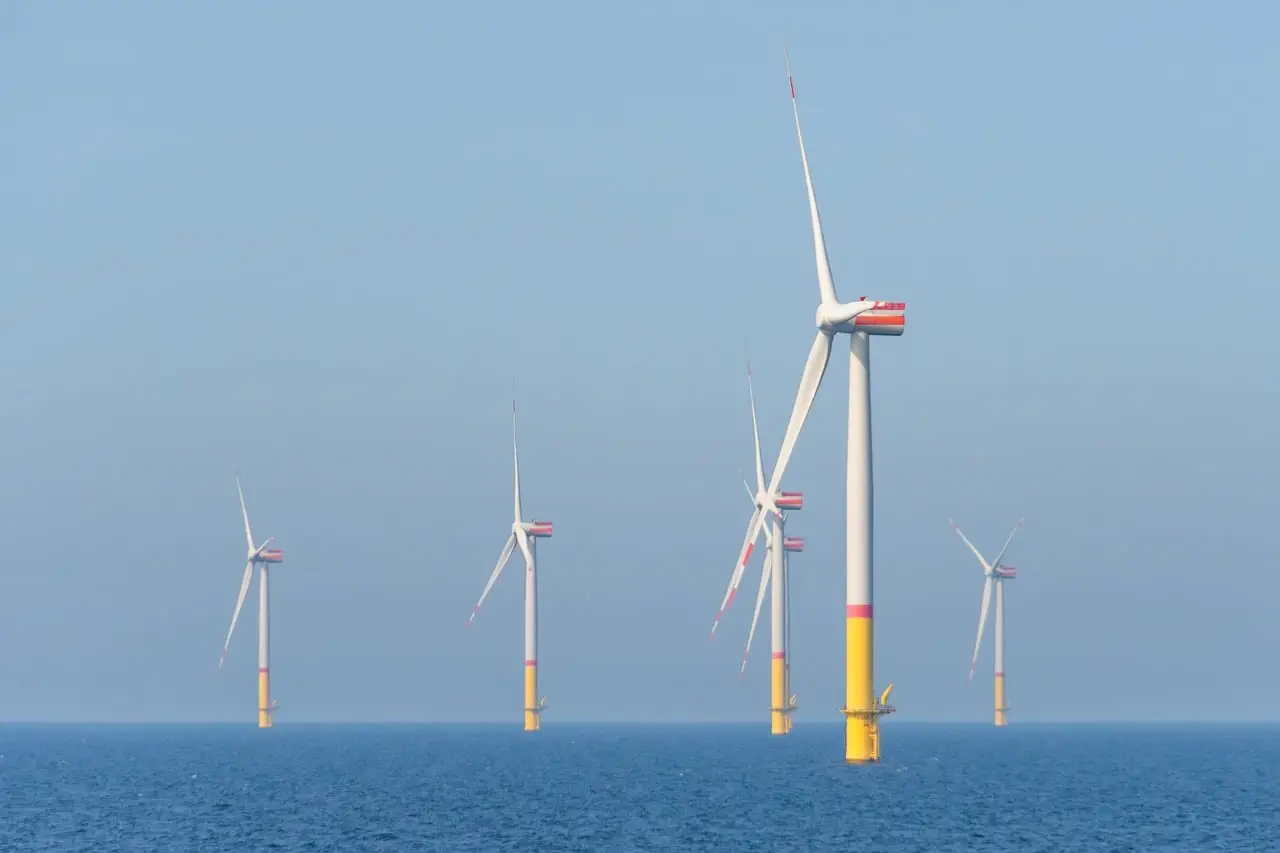
The Climate Change Committee calculates a 2022-style price shock would push bills up 59% on a high-carbon path, but only 4% on a renewables path. New solar power costs fell 90% between 2010 and 2024 and onshore wind 70%, according to the International Renewable Energy Agency.
But it's not automatic savings. Inflation pushed Ørsted to scrap Hornsea 4, the giant Yorkshire offshore wind farm, over supply-chain costs. Higher interest rates hurt because most wind and solar costs come up front. Gas-fired stations still often set wholesale power prices, and Britain needs expensive new grid networks.
Can Britain avoid swapping one dependency for another?
China makes the vast majority of the world's solar panels and batteries and around two-thirds of its electric cars. Its March exports of the three hit a record, up 70% year on year, per the think tank Ember. Asked if Britain was swapping petrostates for Beijing, Fahnbulleh said: "Well, look, we are" — while insisting on "a diversified global market" and "I want to see turbines" built in Britain.
Two days before Jackdaw's approval, Japan's Sumitomo Electric opened Britain's first HVDC subsea cable factory at Nigg, up the coast from Whiteness Head, creating up to 250 jobs. Foreign investment, just not Chinese.
Who leads the climate agenda now?
The US formally left the Paris agreement this year and is expected to skip COP31 in Antalya. UN figures show national pledges now add up to just a 6% cut in global emissions by 2035 — a tenth of what scientists say is needed to hold warming to 1.5C.
China is stepping into the gap. Li Shuo of the Asia Society Policy Institute calls it a "role reversal": once "a very conservative player", China now pushes the climate agenda as a national interest — and "we're only at the beginning of this". It aims to hit a COP31 goal of 35% of energy from electricity five years early. "It's really just a China story," Li said.
With a bill banning new exploration licences moving through Parliament — Rosebank, already licensed, exempt — ministers could approve the last big field while promising never another. With bills rising again in January, that combination may prove hard to resist.
Source: BBC Business
More from Grace Kim
Show full bio
Market editor covering people, launches and day-to-day practice in entrepreneurship, startups and venture funding at Business Bearings.
1,743 articles