UK Inflation Climbs to 3.6% as Diesel Hits Record 199.5p a Litre
UK inflation rose to 3.6% in October, a one-year high, as diesel hit a record 199.5p a litre. Cornwall Insight forecasts a 26% jump in energy bills from January.
By Grace Kim
4 min read
What's News
- UK CPI inflation rose to 3.6% in October from 3.5% in September, the highest in a year.
- Diesel hit a record 199.5p a litre; petrol reached 174.7p, the highest in four years.
- Cornwall Insight forecasts a 26% jump in energy bills from January, to £2,166 a year for a typical household.
- The Bank of England raised rates from 3.75% to 4% and expects inflation to peak near 5% next year.
- The budget includes a £100 winter payment to 20 million households in January.
By Grace Kim
UK inflation rose to 3.6% in October, the highest rate in a year, after petrol prices climbed and diesel hit a record high amid the fallout from the war in the Middle East. Figures from the Office for National Statistics show the headline consumer prices index rate edged up from 3.5% in September, in line with City economists' forecasts.
Fuel did most of the damage. Motorists' fuel costs rose at an annual rate of 33.2% — the largest increase since July 2022, when Russia's full-scale invasion of Ukraine set off a global surge in energy prices.
What pushed prices higher?
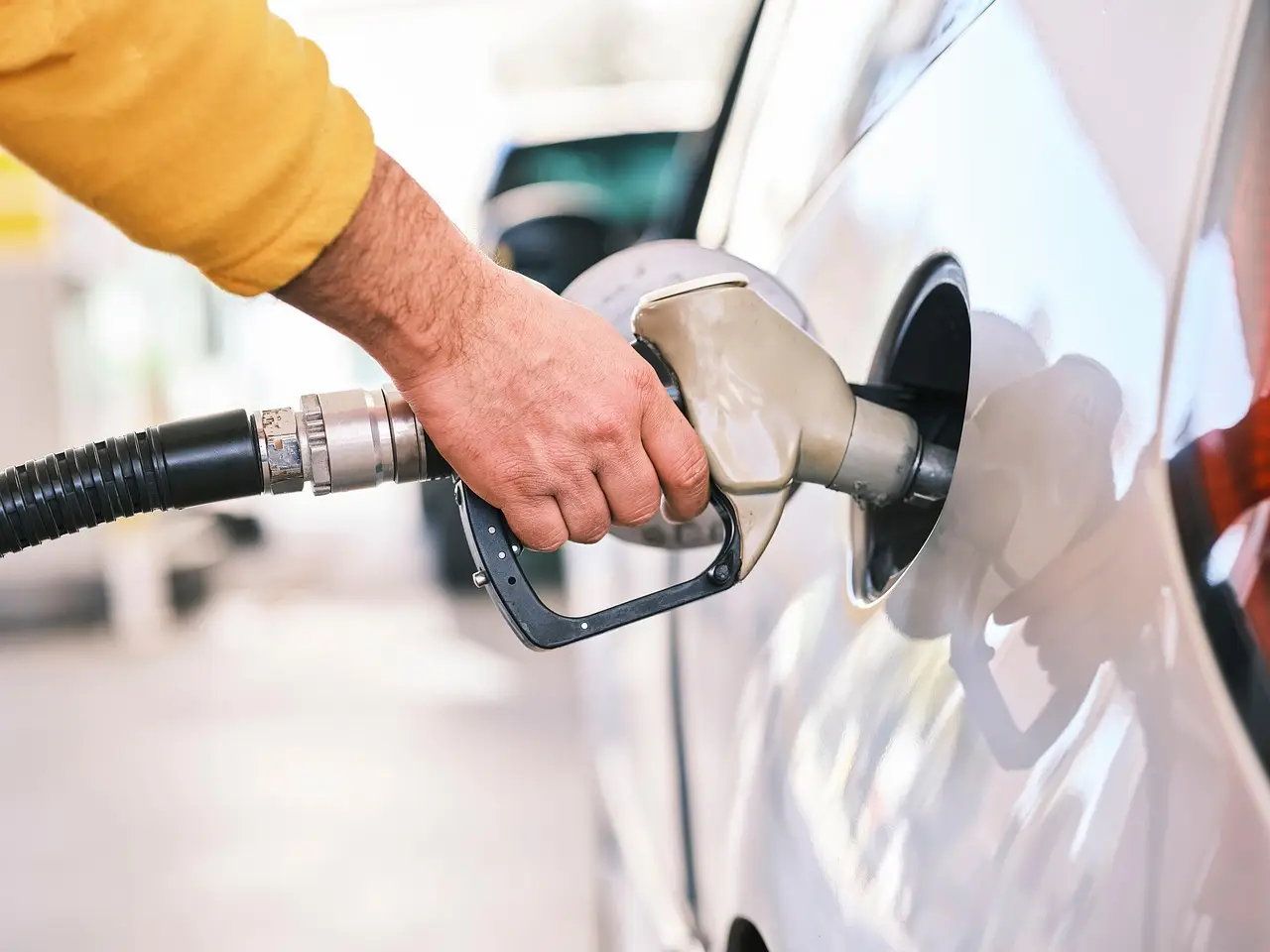
The average price of petrol rose by 5.2p a litre between September and October to 174.7p, the highest level in four years. Diesel rose by 7p a litre to 199.5p — the highest price on records dating back to 1996.
Grant Fitzner, the ONS chief economist, said: "Inflation rose slightly in October, with fuel prices once again a major contributor to the increase in the annual rate."
"Annual costs of both raw materials and goods leaving factories continue to climb, driven by higher crude oil and petrol prices respectively," Fitzner added.
Air fares rose 1.8% between September and October on long-haul ticket prices, partly offset by cheaper European flights. Alcohol and tobacco prices rose 4.5%, influenced by the timing of a tobacco duty increase at the start of the month.
Food, by contrast, cooled: prices rose 0.9% year on year, the slowest rate since September 2021 and down from 1.3% in September.
What's happening underneath the headline?
Core inflation — which strips out volatile energy, food, alcohol and tobacco prices — held at 2.8%, matching forecasts. Services inflation, which the Bank of England watches closely for signs of domestic inflationary pressure becoming entrenched, also stayed put at 3.7%, just below the 3.8% the City expected.
The underlying picture is calm. It's the energy shock doing the work.
The October figures already bake in a 4% rise in the Ofgem energy price cap from the start of the month, driven by wholesale gas prices. Forecasters warn of a further increase of as much as a quarter from January.
How will households be cushioned?
Andy Burnham's government has pledged support for households facing a fresh cost of living squeeze as the stop-start Iran conflict rattles the global economy. At last month's budget, Chancellor John Healey announced a £100 winter handout for 20 million households.
Emma Reynolds, chief secretary to the Treasury, said: "The conflict in the Middle East and Russia's illegal invasion of Ukraine have pushed up costs around the world."
"The household energy payment, announced in our budget, is providing £100 directly into 20 million bank accounts in January, which will help to give families breathing space now," Reynolds said. "The budget also started the long-term action needed to get energy costs down for good, including an end to levies on household bills, scrapping standing charges and ensuring Britain is better protected from global shocks in the future."
The £100 may land before the bigger bill does. Cornwall Insight forecast on Wednesday that energy bills in Great Britain will jump 26% from January, to the equivalent of £2,166 a year for a typical household.
What comes next for rates?
Forecasters expect inflation to climb further. The Bank of England anticipates a peak close to 5% next year.
Earlier this month, Threadneedle Street raised interest rates from 3.75% to 4% and warned that further increases might be needed to combat inflationary pressures unleashed by the Iran war. Financial markets expect at least two quarter-point increases before the end of next year, and analysts said the Bank could be forced to act as early as next month.
One offsetting factor: wholesale energy prices have fallen back since Donald Trump's authority took a blow in the US midterm elections, amid hopes for a negotiated breakthrough in the Middle East conflict.
With a January price-cap rise of up to 25% still in the forecast and rate hikes on the table, the Bank's next meeting looks like the one to watch.
Source: theguardian.com
More from Grace Kim
Show full bio
Market editor covering people, launches and day-to-day practice in entrepreneurship, startups and venture funding at Business Bearings.
2,301 articles