Upside Foods Hits One Million Pounds of Cultivated Chicken a Year
Upside Foods can now produce over one million pounds of cultivated chicken annually, has FDA and USDA approvals, and is selling in California restaurants.
By Nathan Brooks
4 min read
What's News
- Upside Foods can now produce over one million pounds of cultivated chicken per year, a 10,000-fold scale-up.
- The product launched at several California restaurants on Tuesday with new FDA and USDA approvals secured.
- MrBeast taste-tested Upside chicken against conventional chicken on camera and could not tell the difference.
- The first lab-grown hamburger cost $300,000 in 2013; Upside now says it matches premium organic chicken pricing.
- Americans consumed an estimated 8 billion chickens annually as of 2021.
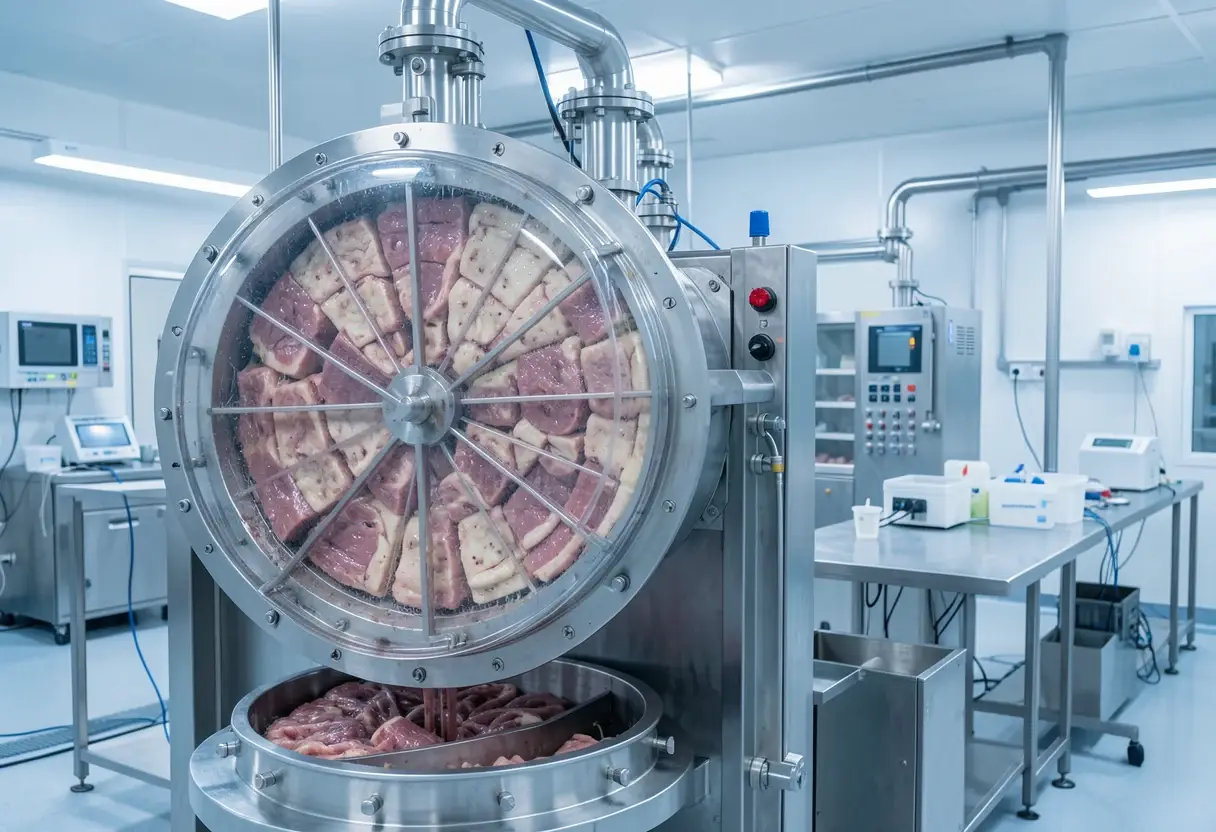
Upside Foods says it can now produce more than one million pounds of edible cultivated chicken per year without killing a single animal — a 10,000-fold scale-up the company believes could reshape the nascent lab-grown meat industry.
The eleven-year-old company announced on Tuesday that its chicken is now available at several restaurants in California. The rollout marks a major milestone for cultivated meat, an industry long dismissed by skeptics as too expensive to ever scale meaningfully.
The company didn't have to chase publicity for the moment, either. MrBeast — the most-followed creator on the internet, whose real name is Jimmy Donaldson — showed up at Upside's facility with his video crew uninvited. On camera, he taste-tested two chicken sandwiches: one made from a chicken killed that day, one made with Upside's cultivated chicken. He couldn't tell which was which.
"I mean, you see me in the video – I was like, 'Oh my gosh, what is he going to say?'" Upside Foods CEO Dr. Uma Valeti told TechCrunch. "I thought he would maybe say a nice thing here and there, but he would get it right. But he didn't."
What does the scale-up change for the industry?
For practitioners, the question is whether cultivated meat can escape the lab-to-plate cost trap. The first lab-grown hamburger, produced in 2013, cost $300,000 to make. Valeti now says Upside can match the price range of "really high quality organic chicken" — a drop that puts the product, for the first time, within reach of restaurant menus rather than science demos.
"This has been a decade of foundation building," Valeti said. The company has secured its next set of regulatory approvals from the FDA and USDA, clearing the federal path for commercial sale. "With that comes the whole excitement and ice-breaking for the field … There's brilliant ideas in science, but science only makes an impact when you get to scale."
Scale was the grind. "The whole industry was going through this really difficult scale-up period… We had to go through that grinder to come out on the other side," Valeti said. Beyond capital, he credits the company's accumulated process knowledge — years of experimenting — for the growth, and believes more is possible.
"Unless we show it at the largest scale possible that anybody has done, no one is going to believe us," he said.
Why the environmental case matters
The movement isn't only about animal welfare, though Valeti counts that as a plus. According to the Good Food Institute, a nonprofit think tank for alternative proteins, feeding the world with conventional meat production in 2050 would take 5.5 Earths — a stark frame given the United Nations predicts the global population will approach 10 billion by then.
"We use less water, less land, less energy," Valeti said. "The power of this technology is you protect the choice of eating what we love, but we can also protect everything else we love about protecting life, and the environment, and animal welfare."
How does the product itself stack up?
Upside says its cultivation process cuts the risk of E. coli, Salmonella and antibiotic resistance, while lowering cholesterol and saturated fat. The chicken is augmented with soy protein isolate, pea fiber and olive oil, making it more nutritionally dense.
Flavor was the piece Valeti agonized over — so much so that he brought in Michelin-starred, James Beard Award-winning chefs Thomas Keller and Nancy Silverton to weigh in. "We got a lot of confidence after we worked with [these chefs]," Valeti said. "They said, 'Uma, you and your team are obsessing too much about it. The majority of people, when you put this in your chicken dishes, will not be able to tell.'"
The gap that remains
One million pounds a year sounds large until you set it against demand. Americans consumed an estimated 8 billion chickens annually as of 2021. Upside's output covers a rounding error of that volume — enough to seed restaurants and prove the process, not to disrupt poultry aisles.
Still, the California launch plus fresh FDA and USDA approvals give the cultivated meat field its first credible commercial reference point. The next test is whether Upside's process learning can push costs and capacity far enough to matter at grocery scale.
Original: upsidefoods.com
More from Nathan Brooks
Show full bio
News editor covering regulation, policy and their impact on entrepreneurship, startups and venture funding at Business Bearings.
2,258 articles