US and China Target $30bn Each in Reciprocal Tariff Cuts
Washington and Beijing each listed about $30bn of goods for tariff cuts, from electronics to live dolphins, but strategic products are excluded and no timeline exists yet.
By Amara Osei
1 min read
Updated
What's News
- The US and China released reciprocal lists of goods worth about $30bn each for planned tariff cuts.
- The lists range from consumer electronics and agricultural products to artificial flowers and live dolphins; major strategic products are excluded.
- No timeline has been given for when the tariff reductions will take effect.
The United States and China have each drawn up lists of goods worth roughly $30 billion that they plan to exempt from tariffs, according to announcements from the world's two largest economies.
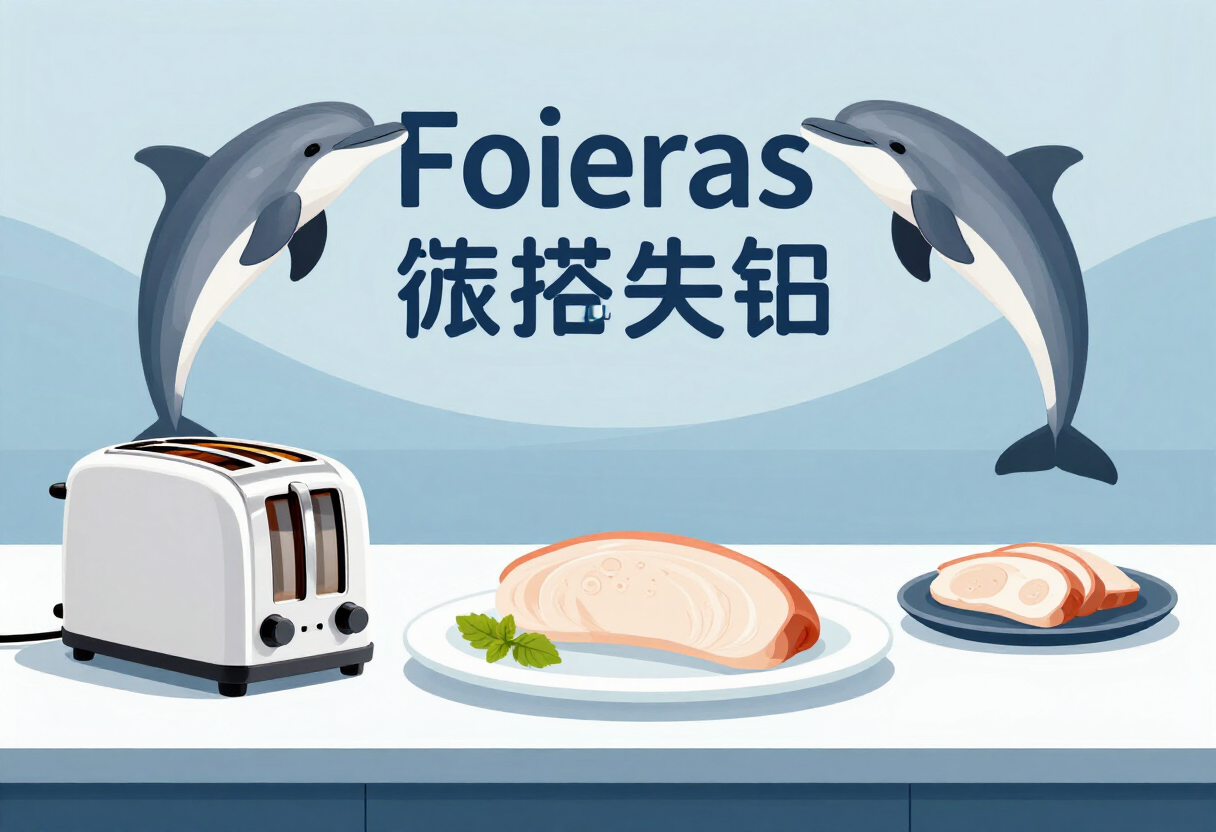
The reciprocal lists cover a strikingly broad range of products. Consumer electronics and agricultural products sit alongside artificial flowers and even live dolphins. Foie gras and toasters also appear on the rosters, underscoring how far down the granularity of trade the two governments have gone in selecting relief items.
The move marks the latest step back from the intense trade war that dominated much of last year. After a period of escalating duties that rattled supply chains and financial markets on both sides of the Pacific, Washington and Beijing are now selectively unwinding barriers rather than raising them.
Two significant caveats temper the announcement. Major strategic products are not included in the lists, leaving sensitive categories such as advanced technology untouched by the new exemptions. And no timeline has yet been given for when the tariff reductions will actually take effect, leaving businesses without a firm date to plan around.
For importers and exporters, the absence of a schedule matters as much as the scope. Companies trading in the affected categories now face a waiting game: the lists signal intent, but until implementation details emerge, tariff liabilities on the roughly $30 billion of goods on each side remain formally in place.
The exclusion of strategic products also signals where the truce ends. The two economies appear willing to offer relief on consumer and agricultural flows while preserving leverage over goods they consider central to national security and technological competition. The next signal for markets will be whether either government attaches dates to the exemptions — or expands the lists beyond the current $30 billion envelope.
Source: The Guardian Business
More from Amara Osei
Show full bio
Senior reporter covering consumer brands and retail at Business Bearings.
275 articles