Warhound Exits Stealth With $200M to Genetically Engineer US War Dogs
Warhound exits stealth with $200M from In-Q-Tel, Sequoia and 8VC at a $1.2B valuation to genetically engineer military working dogs with Anduril gear.
By Amara Osei
3 min read
Updated
What's News
- Warhound launched Thursday with $200M in funding at a $1.2B valuation from In-Q-Tel, Sequoia and 8VC.
- Over 80% of U.S. military working dogs come from Europe; fewer than half are fit for service.
- The first cloned dogs are expected to be born early next year and enter service within two years.
- Luckey holds no equity; Colossal owns equity and licenses its gene-editing technology.
- Anduril provides sensor-equipped vests and goggles for handlers' situational awareness.
Warhound emerged from stealth on Thursday with $200 million in funding and a $1.2 billion valuation, betting it can genetically engineer working dogs for the U.S. military, law enforcement and emergency response teams.
The round drew backing from In-Q-Tel, Sequoia and 8VC, according to the company's launch announcement. Colossal Biosciences founder Ben Lamm and Anduril co-founder Palmer Luckey cooked up the idea after meeting roughly a year ago at a conference, where Luckey raised the problem of doing more for working dogs in the U.S. military.
Why does the U.S. need engineered dogs?
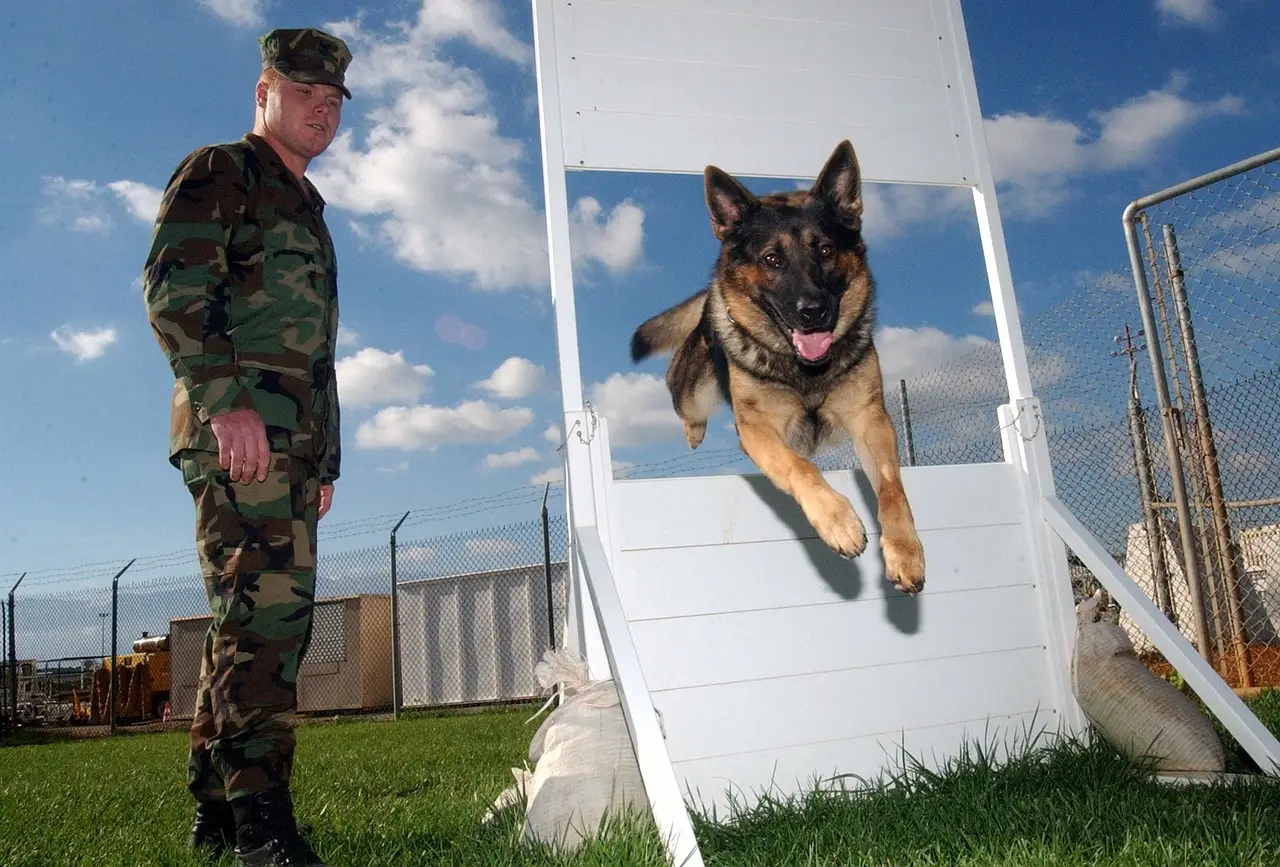
More than 80% of working dogs used by the U.S. military come from Europe, and fewer than half of them are fit for service, the company said. That leaves a dwindling domestic supply and growing reliance on foreign nations for animals that handle bomb detection, searches and other specialized operations too dangerous for humans or too difficult for machines.
Lamm dug into the breeding problem after that first conversation. Many dogs wash out of training because of genetic dispositions — poor eyesight, high cancer risk, hip dysplasia or muscle atrophy, he told TechCrunch.
"The idea is, if we make the dog safer, make it healthier, make it perform better, it's going to perform better in the line of duty," Lamm said.
How will the genetics work?
Warhound's team took cell lines from the top-performing working dog breeds — the Belgian Malinois and German Shepherd — and placed them in a biobank. Scientists will then edit the genes, adding the ones that improve performance and removing the ones that don't, to create what the company calls "a new type of dog."
Lamm said dogs could be enhanced for health, longevity and "for things like speed and agility or enhance olfactory sensors for bomb sniffing and whatnot." The company aims to produce dogs with "characteristics suited to demanding missions," per its press release.
Colossal, known for de-extinction work on the dodo and the mammoth, owns equity in Warhound and licenses its technology to the startup. Luckey holds no equity and is only a partner, Lamm clarified.
What does Anduril bring?
Anduril supplies software and hardware for dog protection vests and eye goggles that help dogs and handlers with situational awareness and coordination. Lamm pointed to bulletproof vests with data sensors that feed information back to handlers so they can better understand what's happening.
The Anduril additions work "on top of the dog, not in the dog," Lamm said. He believes those enhancements will also better protect the dogs' human handlers.
When do the first dogs arrive?
The first batch of dogs is about to be cloned and incubated, with births expected early next year. Lamm wants them entering service within two years. Viagen, another Colossal-owned company, is partnering with Warhound on the cloning — Lamm said Viagen's tech has a high success rate and Colossal already uses it for its endangered species program.
Warhound hasn't set pricing yet. Expected buyers include first responders, the Department of Defense, military service groups and police forces. Lamm said the company has briefed many government groups about the business, and that each dog will be trained like any military working dog and managed by whoever buys it.
The company is working under the guidance of the American Humane Society to certify its training program for the new dogs. It also hopes retired Warhound dogs will enter the Society's Military Working Dog Reunification Program, which provides homes for retired military dogs. If the first litters deliver on the genetic pitch, Warhound could reset how the Pentagon and police forces source a strategic animal asset they currently import from abroad.
Original: warhound.com
More from Amara Osei
Show full bio
Senior reporter covering companies, deals and strategy in entrepreneurship, startups and venture funding at Business Bearings.
1,109 articles