Waymo Robotaxis Still Pass Stopped School Buses After Fix, Feds Say
NHTSA opened a recall query into Waymo after most reported incidents of robotaxis passing stopped school buses occurred after the company's November 17, 2025 software fix.
By Daniel Okafor
3 min read
What's News
- NHTSA opened a recall query into Waymo in a November 6 filing to assess the adequacy of its remedy.
- Waymo completed a software update for all affected vehicles on November 17, 2025.
- The majority of reported school-bus-passing incidents occurred after that software update.
- The initial ODI investigation began in October 2025 after footage of an incident in Atlanta.
- Austin Independent School District officials reported at least five similar incidents.
By Daniel Okafor
Federal regulators have opened a new investigation into Waymo because most reported incidents of its robotaxis illegally passing stopped school buses happened after the company deployed a software fix.
The National Highway Traffic Safety Administration disclosed the probe in a November 6 filing. Reuters first reported it. NHTSA's Office of Defects Investigation has opened what it calls a "recall query" — a formal step to "assess the adequacy of the remedy" Waymo installed.
Why does this matter?
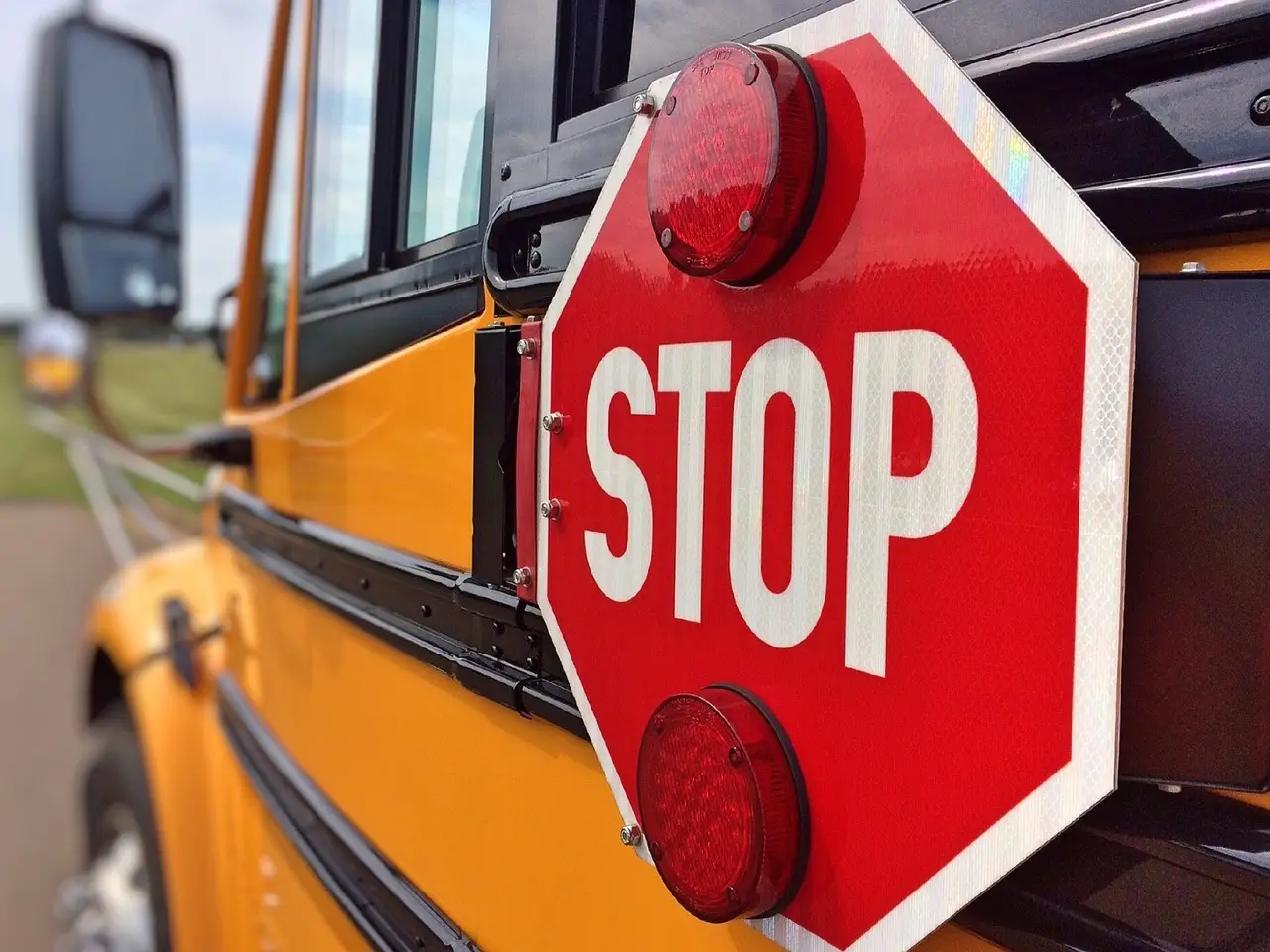
The timeline is the core of the problem. Waymo issued a recall after numerous reports that its autonomous vehicles passed school buses displaying flashing red lights — a traffic violation in every state. The company said a software update was completed for all affected vehicles on November 17, 2025.
NHTSA says the majority of the reported incidents occurred after that date. In plain terms: the fix did not stop the behavior it was built to stop.
A recall query lets the regulator determine whether a manufacturer's remedy actually eliminates a safety defect. If NHTSA finds the remedy inadequate, it can push for a new fix.
What triggered the original investigation?
The ODI opened its initial investigation in October 2025. The trigger was footage from Atlanta. In that recording, a Waymo robotaxi maneuvered around a stopped school bus that had its stop sign extended, its lights flashing, and children unloading.
The sequence was specific. The Waymo vehicle crossed perpendicularly in front of the bus from its right side. It then turned left around the front of the bus before continuing down the street.
That maneuver put the autonomous vehicle directly through the zone the bus's stop arm exists to protect.
Where else has this happened?
Austin, Texas — Waymo's other major robotaxi market — has documented a pattern of its own.
- Numerous additional incidents were documented in the weeks and months after the Atlanta case.
- Austin Independent School District officials reported at least five such incidents, according to a letter filed with NHTSA.
- The district's letter forms part of the regulator's evidentiary record.
TechCrunch has reached out to Waymo and Austin Independent School District officials for comment.
What is the mechanism at fault?
The failure points to a perception-or-planning gap. A stopped school bus with flashing red lights and an extended stop arm is a legally unambiguous signal that human drivers are trained to read. Waymo's system apparently recognizes the bus but chooses a path around it — crossing in front, then swinging left past the nose of the vehicle while children unload.
A software update was supposed to correct that path planning. The continuing incidents suggest either the update did not reach the relevant driving scenarios or the fix addressed the wrong layer of the decision stack.
What happens next?
The recall query will test whether Waymo's November 17, 2025 remedy holds up against the incident record NHTSA has now accumulated from Atlanta and Austin. The outcome will shape how regulators treat software recalls across the autonomous vehicle industry, where a fix deployed over the air can be measured — and second-guessed — against every mile driven afterward.
Original: static.nhtsa.gov
More from Daniel Okafor
Show full bio
Correspondent covering money, funding and market shifts around entrepreneurship, startups and venture funding at Business Bearings.
1,687 articles