Wingspire commits $30 million to industrial equipment financing
Wingspire Equipment Finance committed $30 million to an equipment line covering 100% of capital-equipment needs tied to new customer wins for an unnamed sponsor-backed industrial services company.
By Grace Kim
4 min read
What's News
- Wingspire Equipment Finance committed $30 million to finance equipment for an unidentified sponsor-backed industrial services company.
- The equipment line finances 100% of the capital-equipment requirements associated with new customer wins.
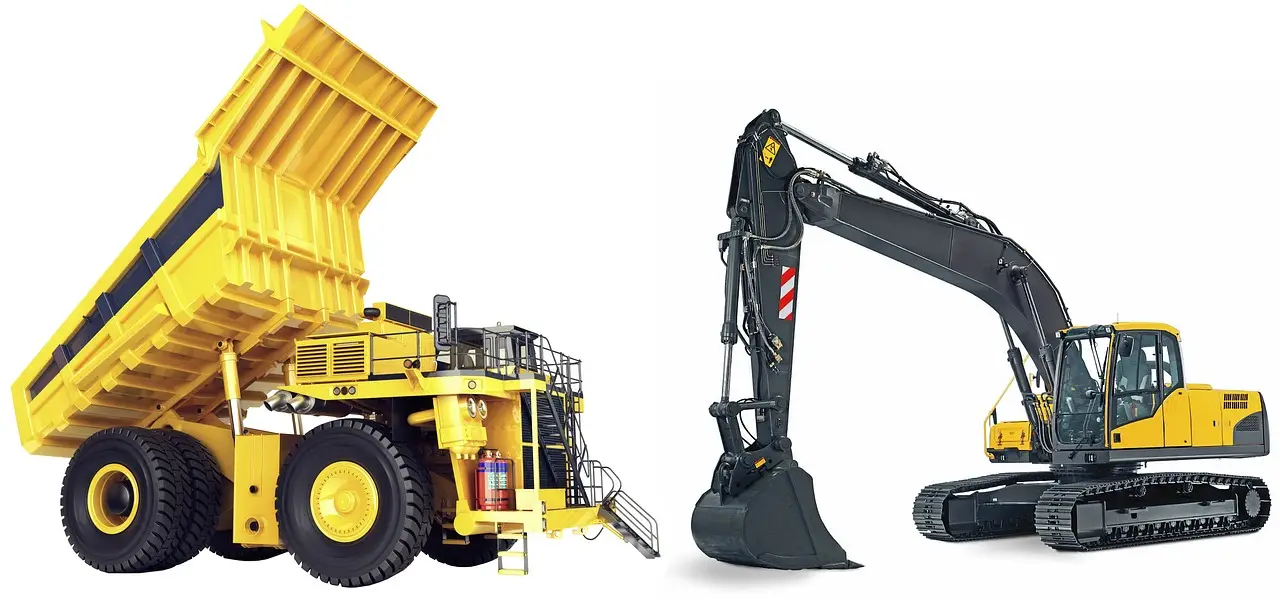
- The facility covers four categories: material-handling equipment, transport assets, dump trucks and related machinery.
- The $30 million facility includes progress funding as equipment is procured and prepared for deployment.
- Wingspire says the $30 million structure should preserve liquidity and reduce the sponsor’s additional equity requirement.
By Grace Kim
Wingspire Equipment Finance has committed $30 million to an equipment line that finances 100% of the capital-equipment requirements tied to new customer wins for an unidentified sponsor-backed industrial services company.
Wingspire said the facility supports four categories of equipment:
- Material-handling equipment
- Transport assets
- Dump trucks
- Related machinery
The borrower can reference the committed capital when bidding for customer contracts that require additional equipment, according to Wingspire. The lender also provides progress funding as equipment is procured and prepared for deployment.
How does the $30 million line support contract bids?
Under the structure Wingspire disclosed, the portfolio company can point to committed equipment capital while competing for contracts that require more assets. The commitment can be referenced during the bid stage, and progress funding follows the procurement cycle. Together, those terms connect customer opportunities with the equipment needed to perform the work.
Progress funding is the second element of the design. Wingspire said it provides capital as equipment is procured and prepared for deployment. That gives the client a path from contract pursuit through purchase and pre-deployment preparation, with the financing tied to the same assets that support the customer commitment.
The disclosed coverage extends across the full capital-equipment requirements associated with new customer wins. Wingspire said the facility finances 100% of those requirements, while the $30 million commitment gives the client a stated amount of capital to reference during the bid process. The announcement does not describe individual contracts or equipment purchases.
In plain terms, the line supplies committed capital at the bidding stage and funds machinery on its way into service.
Why does liquidity matter to the sponsor?
Wingspire said the structure is intended to preserve the portfolio company’s liquidity and reduce the amount of additional equity its private-equity sponsor must contribute. Under the stated design, the company can equip new contracts under the committed line while limiting, rather than eliminating, the sponsor’s need to provide additional equity.
The financing also reflects the client’s history. Wingspire said it designed the facility to address complexities arising from the company’s original carve-out acquisition and its continuing operating requirements. The announcement gives no detail on the acquisition or the client’s operations, but it identifies both as reasons for the tailored structure.
The sponsor’s role is consequently tied to a smaller incremental funding requirement, according to Wingspire. Equipment for new customer wins can move through procurement under the committed facility, while the portfolio company keeps more liquidity for its operating requirements.
For the sponsor, the deal is designed to support new business without requiring it to provide all of the associated equipment equity.
What did Wingspire say about the financing?
Michael Grande, Managing Director of Wingspire Equipment Finance, said: “For our client, winning new business requires confidence that equipment capital will be available to take on new contracts. We structured a committed line with progress funding to help them secure the necessary assets and fulfill their customer commitments.”
Grande’s statement puts the commercial logic in two steps. First, Wingspire says the client needs confidence that equipment capital will be available when it pursues a contract. Second, the committed line and progress funding help secure the assets required to meet the customer commitment once the opportunity is won.
The financing serves both stages described by Wingspire: it supports the bid for new business and funds the equipment needed to fulfill it. The quote also explains why progress funding sits alongside the commitment. The client needs capital as machinery is bought and readied, not just a promise of funds after the assets are in place.
The stated purpose is certainty of equipment funding when the client competes for and performs new work.
Where does the deal fit?
Wingspire Equipment Finance provides equipment-financing solutions to middle-market and private equity-backed companies. It is part of Wingspire Capital, a portfolio company of Blue Owl Capital Corporation. The transaction sits within that stated focus: the borrower is private-equity-backed, and the facility is designed to finance equipment for new customer wins.
The transaction itself remains tied to one unidentified portfolio company. Wingspire said the $30 million facility covers the equipment needed for new customer wins and structures funding around procurement and deployment. No customer, sponsor or individual contract was named in the announcement.
The deal applies Wingspire’s stated middle-market and private-equity financing model to a sponsor-backed industrial services company, with the line extending from contract pursuit to machinery deployment.
The next milestone is conversion: the unnamed client must turn the committed capital into new customer wins, procure the covered equipment and prepare it for deployment while preserving liquidity and limiting the sponsor’s additional equity requirement.
Source: pulse2.com
More from Grace Kim
Show full bio
Market editor covering people, launches and day-to-day practice in entrepreneurship, startups and venture funding at Business Bearings.
2,582 articles