Wonder Targets Fully Autonomous Kitchens by 2040 and an IPO
Wonder targets fully autonomous kitchens by 2040, eyes an IPO road show, and leans on its Grubhub acquisition to kill delivery fees, Marc Lore told CNBC.
By Nathan Brooks
3 min read
What's News
- Wonder aims for fully autonomous food preparation and delivery by 2040, founder Marc Lore told CNBC.
- Wonder acquired Grubhub from JustEatTakeaway in 2024; customers ordering via the app pay no delivery fees.
- Wonder's programmable cooking platform cooks meals from 25 restaurants in one location.
- CNBC reported Oct. 25 that Wonder plans aggressive Texas expansion and a subscription program for diners' own restaurants.
- Wonder launched in 2018 and may launch an IPO road show if the listing window reopens.
Wonder wants fully autonomous food preparation and delivery by 2040, and it may pitch investors on an IPO road show as soon as the listing window reopens, according to a CNBC report published Sunday (Oct. 25).
The food-tech company, launched in 2018 by founder Marc Lore, operates food hall-style locations where diners order takeout or delivery through third-party platforms. It also acquired Grubhub from JustEatTakeaway in 2024 — a deal that now underpins much of Wonder's economics.
"Wonder is a vertically integrated food technology platform to make great food more accessible," Lore told CNBC.
What does Grubhub ownership change for customers?
It changes the price tag. Because Wonder owns the delivery platform, customers ordering through the Grubhub app don't pay delivery fees, and menu prices aren't marked up to cover the commission fees that restaurants on third-party platforms typically absorb, the report said.
That structural advantage matters as Wonder pushes expansion. The company plans what CNBC described as an "aggressive" buildout in Texas, plus a subscription program that lets diners operate their own "restaurants." Wonder aims to open locations nationwide across urban, suburban and rural markets, and it intends to keep prices below the cost of getting groceries delivered — a comparison that frames the offering against grocery delivery apps rather than traditional restaurants.
The 2040 autonomy target
Wonder is already automating parts of its kitchen functions, and Lore set 2040 as the date for fully autonomous food preparation and delivery. That's a 15-year horizon — long enough that the target reads more like a direction of travel than a deadline investors can hold management to.
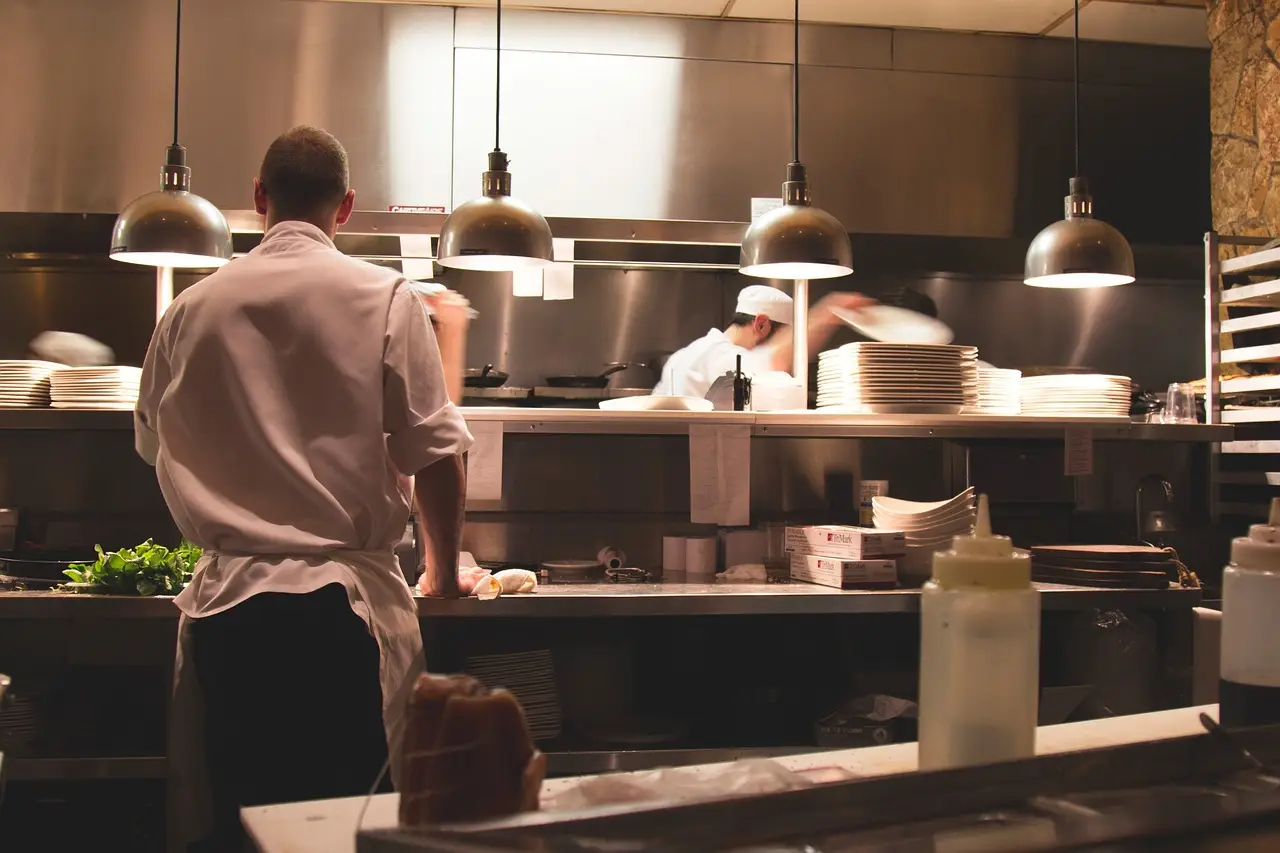
The nearer-term piece is the "programmable cooking platform" Lore described earlier this year at The Wall Street Journal's Future of Everything event. The platform now cooks meals from 25 different restaurants inside a single Wonder location, which is what makes the create-your-own-restaurant model mechanically possible.
The next layer is generative AI. As PYMNTS reported, the AI tool Wonder plans will build a restaurant from a customer's description of what they want. The AI will generate the name, branding, description, pictures, pricing, health information and recipes — and the new restaurant goes live at Wonder locations.
Why go public?
The IPO is about capital and currency, not just visibility. Lore laid out the logic plainly: "[The mission] is really why I want to go public and raise the capital that it'll take to build that kind of generational business, also to have a public currency to be able to do more M&A. But I can't talk about timing."
In other words, a listing gives Wonder acquisition firepower — a relevant point given it already used private capital to buy Grubhub in 2024. The timing question hinges on the broader IPO market: CNBC reported Wonder could launch a road show only "provided that the window for companies across sectors to list reopens in the months to come."
The Walmart connection
Wonder also has a retail beachhead. In 2024, the company's then-Chief Growth and Marketing Officer Daniel Shlossman described its collaboration with Walmart as a way to link restaurant ordering to customers' grocery and retail shopping habits.
"We do expect customers to place orders maybe when they are heading into the Walmart, and the food is going to be right there ready for them for pickup when they're leaving," Shlossman told PYMNTS. "We also see people that are maybe in the middle of running errands, and they've just made their Walmart run, and they can stop off and have a bite before they head to their next destination."
For practitioners, the practical takeaway is sequencing: Grubhub's fee-free delivery and the 25-restaurant cooking platform are live today, the Texas expansion and subscription restaurants are next, and the IPO plus 2040 autonomy are the capital-fueled endgame.
Source: GN: Startup IPO
More from Nathan Brooks
Show full bio
News editor covering regulation, policy and their impact on entrepreneurship, startups and venture funding at Business Bearings.
1,225 articles