Zombie Foreclosures Fall to 3% as Vacancy Rate Slips: ATTOM
Zombie foreclosures fell to 3% of homes in foreclosure last quarter, down from 3.3%, per ATTOM. Overall vacancy slipped to 1.2%, though 29 states saw zombie counts rise.
By Amara Osei
2 min read
What's News
- Zombie foreclosures fell to 3% of homes in foreclosure last quarter, from 3.3% a year earlier
- ATTOM counted 269,195 properties in foreclosure and 8,040 zombies in Q4
- Overall home vacancy dropped to 1.2% from 1.3% year over year
- 29 states saw zombie foreclosure counts rise last quarter
- Baltimore, Indianapolis and Carthage, NY, had the highest zombie foreclosure rates
Zombie foreclosures fell to 3% of all U.S. homes in the foreclosure process last quarter, down from 3.3% a year earlier, according to ATTOM's latest Vacant Property and Zombie Foreclosure report.
The real estate analytics firm counted 269,195 residential properties undergoing foreclosure in the fourth quarter. Of those, 8,040 — or 3% — qualified as "zombies," homes abandoned by their owners before the foreclosure process finished. Overall vacancy also improved, dipping to 1.2% of homes from 1.3% in the same quarter last year.
"The fourth-quarter data showed modest declines in both vacancy and zombie foreclosure rates nationwide," ATTOM CEO Rob Barber said. "While trends vary from state to state, vacant and abandoned homes continue to represent a relatively small share of the nation's housing stock."
What is a zombie foreclosure?
A zombie property forms when a homeowner in foreclosure walks away before the process wraps up. Often it starts with a misunderstanding. A borrower behind on payments receives a default notice and assumes the bank now owns the house, so they move out.
But foreclosures can stall or get canceled outright by the bank. Without a completed process, the delinquent homeowner still legally owns the home and their name stays on the title. By then, the owner is often long gone and nobody remains to maintain the property.
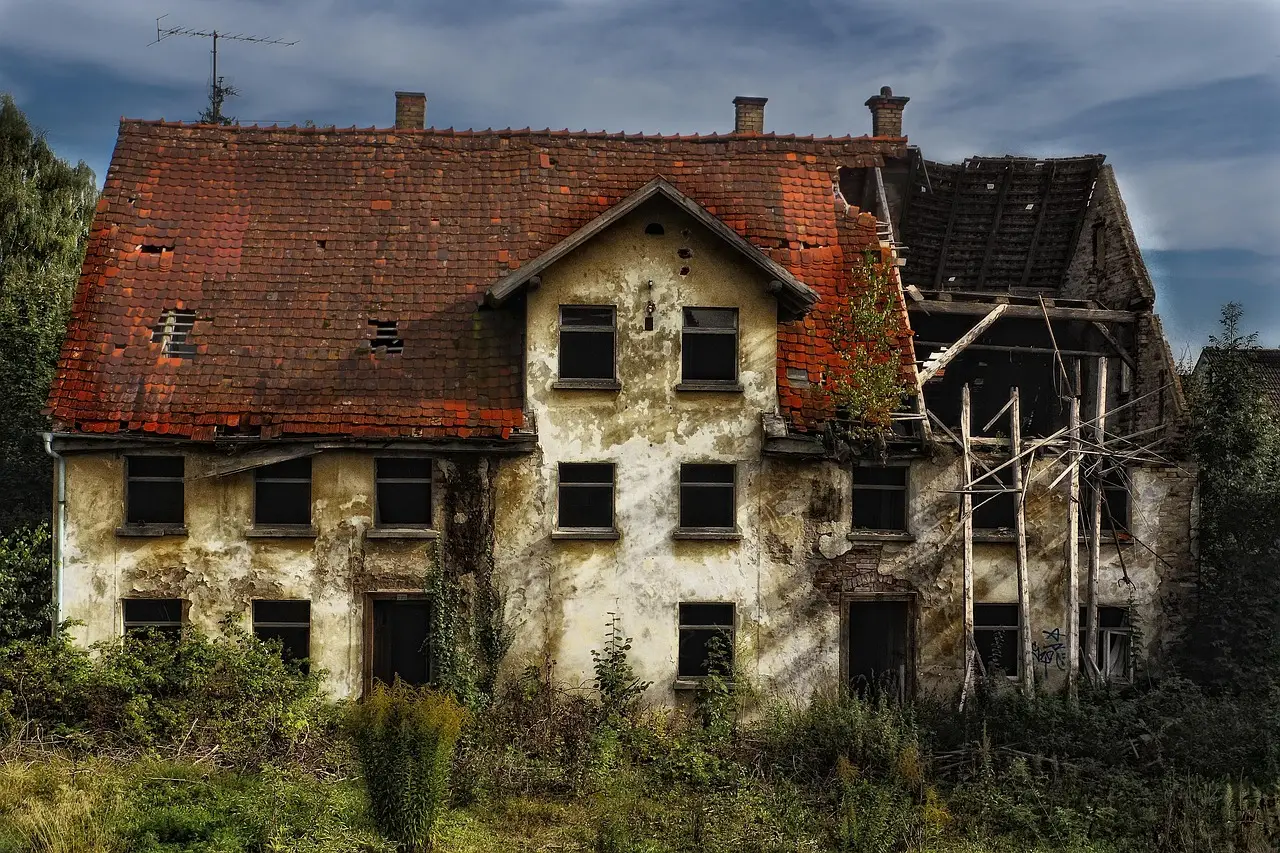
The result is easy to spot: no activity, no lights, overgrown vegetation. Beyond the eyesore factor, ATTOM notes these homes attract pests, crime and vandalism, dragging down values across a block.
Where are zombie homes rising?
The national average improved, but the trend isn't evenly spread. Twenty-nine states actually saw zombie foreclosure counts tick up last quarter.
Among states with at least 50 qualifying zombie homes, Wisconsin, Maryland, Pennsylvania, Texas and North Carolina posted the largest increases. Arizona, Florida, California, South Carolina and Oklahoma moved the other way, with declines in their zombie share. Baltimore, Indianapolis and Carthage, New York, recorded the highest rates of abandoned homes in foreclosure.
The regional split matters for local housing markets. A handful of vacant foreclosures can weigh on surrounding property values even when the national picture looks stable.
How big is the problem really?
Zombie properties remain rare, and Barber's framing keeps the numbers in perspective: vacant and abandoned homes are a small slice of the country's housing stock.
For banks and neighborhoods, they're a genuine headache — but a minor fright. The bigger force keeping buyers and sellers out of the market, ATTOM's data makes clear, is stubbornly high mortgage rates, not empty houses.
That's the number to watch heading into the new year. A sustained drop in borrowing costs would do more for housing activity than any quarterly improvement in vacancy rates.
Original: prnewswire.com
More from Amara Osei
Show full bio
Senior reporter covering companies, deals and strategy in entrepreneurship, startups and venture funding at Business Bearings.
1,346 articles