Agrifoodtech founders face the corporate pilot trap
George Bilkis says agrifoodtech pilots must lead to automatic purchases and warns that exclusivity and right-of-first-refusal terms can cap valuations and deter investors.
By Amara Osei
5 min read
What's News
- Aleph Eins Capital targets controlling investments valued at €200 million to €300 million ($221 million to $332 million).
- The firm keeps 30% of its equity checks, compared with about 5% in a standard GP-LP structure, Bilkis said.
- Bilkis spent six years overseeing global M&A at KWS.
- Aleph Eins Capital started about one year ago and is pursuing a seed-company acquisition.
- Bilkis expects some zombie exits to recover 30 cents or 50 cents on the dollar, including in recent CropX deals.
By Amara Osei
Aleph Eins Capital is targeting controlling investments worth €200 million to €300 million ($221 million to $332 million), managing director and partner George Bilkis said, with agriculture, chemicals, water and energy as its main buyout sectors.
Bilkis spent six years at KWS overseeing global M&A, including joint ventures and the transaction side of its venture-capital activities. Before KWS, he worked in corporate finance advisory, private equity and investment banking, he said.
The family behind Aleph Eins Capital is the UK's biggest vegetable and cereal grower and ag chem distributor, Bilkis said. It is also building the country's largest water reservoir, backed by generational wealth and extensive land holdings.
Aleph Eins divides its capital into three buckets, Bilkis said:
- Controlling buyouts in agriculture, chemicals, water and energy, generally at €200 million to €300 million enterprise value.
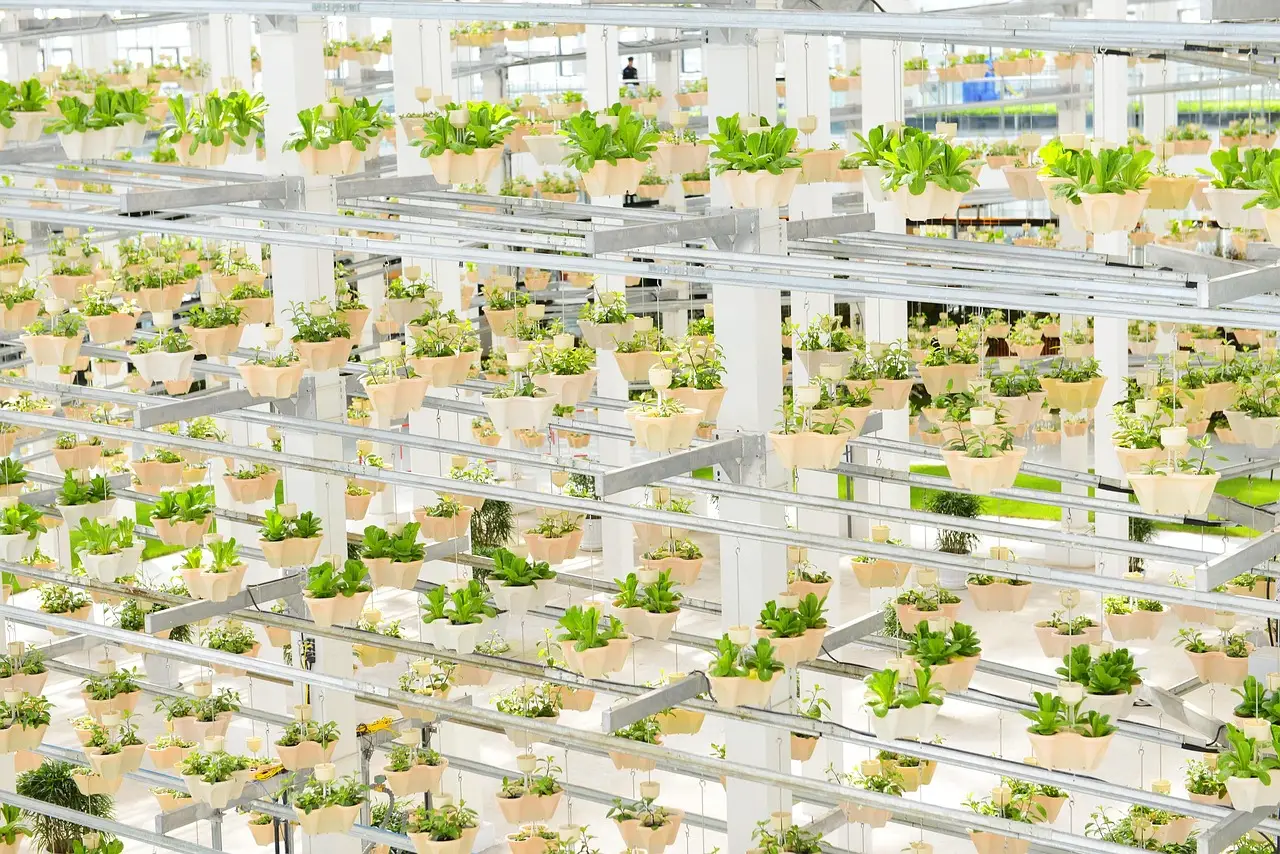
- Entrepreneurial projects on UK and overseas land unsuited to open-field farming, including the reservoir, a biochar plant, a syngas plant and controlled-environment agriculture.
- Investments in funds, a segment with very few positions.
Aleph Eins functions between a private-equity fund and an independent sponsor, Bilkis said. It is not a closed-end fund and can underwrite transactions allowing it to join competitive processes. The firm syndicates substantial equity to families and institutions but keeps 30%, versus about 5% for a standard GP-LP, he said.
The firm started about a year ago, Bilkis said. It is working on a seed-company acquisition and discussing a substantial, sustainability-linked chemical-company deal, with additional agricultural processing projects.
What makes a corporate partnership useful?
Bilkis said corporate capital can supply patient money when venture funding fails, but it is not free. Founders must tie each pilot to a concrete purchase and reach real decision-makers, he said.
“You have to be brutal as a founder. You have to tie your pilot to a concrete purchase that is going to happen. Otherwise, you will be wasting your resources and your precious time on pilots to nowhere. It will be pilot after pilot.”
Under Bilkis's rule, a successful pilot should trigger an automatic purchase. He said a formal path to commercialization makes outside finance easier, gives corporate partners confidence the startup will remain viable in one year, and lets founders use the customer for investor feedback and fundraising.
Without an initial understanding of how the relationship will develop through commercialization, the arrangement remains wishful thinking, Bilkis said. An unwilling corporate can waste or exploit a founder's time, he said.
Why can exclusivity kill a startup?
At KWS, Bilkis saw large companies call an innovation interesting and then ask whether competitors could gain access. He said startups often accept exclusivity because survival appears urgent, even though the restriction can kill them.
“You just say no. There is no such thing.”
Bilkis said exclusivity should signal that the corporate will buy the startup immediately. Without that commitment, one customer becomes the company's master, narrows exit options and makes investors question the startup's viability, he said.
Any right of first refusal should be rejected, Bilkis said, describing it as one of the worst terms a founder can accept. Corporate venture terms differ: some investors use balance sheets, while others run professionally managed funds. Founders must assess every term for the next round, commercialization and exit, he said.
If a corporate dictates where a startup can sell, Bilkis said, that restriction caps valuation and the company's ability to raise further capital.
Where will agrifoodtech capital come from?
Bilkis said large agribusiness companies have shown a partial freeze, not a total one. Corporate goals set priorities during a waiting period, particularly for off-balance-sheet investments.
Capital will keep arriving in waves—proptech funds, fintech funds and agtech funds—while specialist investors should attract more LPs as agrifoodtech becomes a standalone category between private equity and venture capital, Bilkis said. He argued funds need portfolio survival rates, not two or three outliers. Family offices can fill gaps, particularly German families seeking value-aligned innovation and potentially accepting lower returns than upper-quartile software VC.
Bilkis expects further clearing out of zombie agrifood companies, with consolidation and subpar exits rather than extraordinary founder wealth. Investors may recover 30 or 50 cents on the dollar, he said, while the innovation moves to a consolidator, as seen in recent CropX deals.
New-company valuations have become more realistic, Bilkis said. The key variables are proximity to commercialization, timing of first sales and ability to scale.
What does AI change for agrifoodtech?
Five years ago, Future Food-Tech centered on alternative protein; Bilkis said the event now includes many startups digitizing food supply chains and using AI. Digital low-tech tools that anyone with some knowledge of Claude could replicate still depend on commercialization and sales, he said.
He was skeptical of claims that AI will speed every process, saying deeptech and biotech still face lengthy approvals like pharma's. Startups can specialize to a point and then transfer commercialization to richer, larger companies, because venture-backed startups cannot wait years, Bilkis said.
Which companies fit Bilkis's lower-risk model?
Traditional VC assumes tech-heavy companies with no current revenue and huge revenue later, with two 100x performers enough, Bilkis said. Lower agrifoodtech exits require lower-risk investments and a sound return-to-risk ratio. His alternative focuses on tech-heavy companies in macro-driven, growing sectors rather than competing directly with Andreessen Horowitz.
His model resembles private equity: pursue profitability, build durable companies, accept lower returns, avoid writing off 90% of the portfolio and have few defaults, Bilkis said.
Precision agriculture allows investors to acquire high-TRL or TRL10 companies at low valuations after down rounds, Bilkis said. His approach involves deploying capital, syndicating, buying competitors and consolidating the market. Biotech and deeptech need a clear exit driver and work on its prerequisites. Alternative protein was built on demand that was not present, he said, although he excludes no agrifood sector entirely. Some companies remain uninvestable, he said.
Ag robotics is more investable as farmers adopt non-chemical weeding robots, Bilkis said. He also backs drought-tolerant seed coatings because fast-changing European weather outpaces adaptation through breeding and genetics.
Source: GN: Venture Capital
More from Amara Osei
Show full bio
Senior reporter covering companies, deals and strategy in entrepreneurship, startups and venture funding at Business Bearings.
1,498 articles