Al Gore Calls Senate Permitting Bill a 'Serious Mistake' as Vote Nears
Al Gore calls the Baaja permitting bill a 'serious mistake' ahead of a final Senate vote this week, splitting Democrats over 1.5bn tons of potential emissions cuts.
By Amara Osei
5 min read
What's News
- Al Gore called the Baaja permitting bill a 'serious mistake' at Cop31 in Antalya, Turkey
- The bill passed a Senate procedural vote last week; a final vote is expected this week
- One analysis estimates the bill could cut 1.5bn tons of emissions by 2040
- Senator Sheldon Whitehouse is drafting amendments to block Trump from arbitrarily halting clean energy projects
- Democrats take control of Congress in January
Al Gore says passing the Bipartisan American Affordability and Jobs Act (Baaja) would be a "serious mistake," and he's urging Senate Democrats to reconsider before a final vote expected this week.
The permitting bill, crafted by a group of Republicans and Democrats, cleared a procedural vote in the US Senate last week. It would make it easier to build large infrastructure projects across the US — oil and gas pipelines, datacenters, and clean energy components such as solar, wind and transmission lines — by scaling back environmental protections and limiting legal challenges. If the Senate passes it this week, it moves to the House.
Why does Gore oppose the bill?
Speaking at the Cop31 climate summit in Anticya venue in Antalya, Turkey, Gore tied his opposition to the Democrats' sweeping midterm wins, which hand the party control of Congress in January.
"I think it would be a serious mistake, particularly in the wake of the astonishing election results last week," Gore said.
He pointed to the bill's most powerful backers as a warning sign. "The fact that President Trump endorsed it enthusiastically is a clue, the fact that the American Petroleum Institute is giving out free tacos in Washington to support it is also a clue. I hope they reconsider because I think it would be a very, very serious mistake."
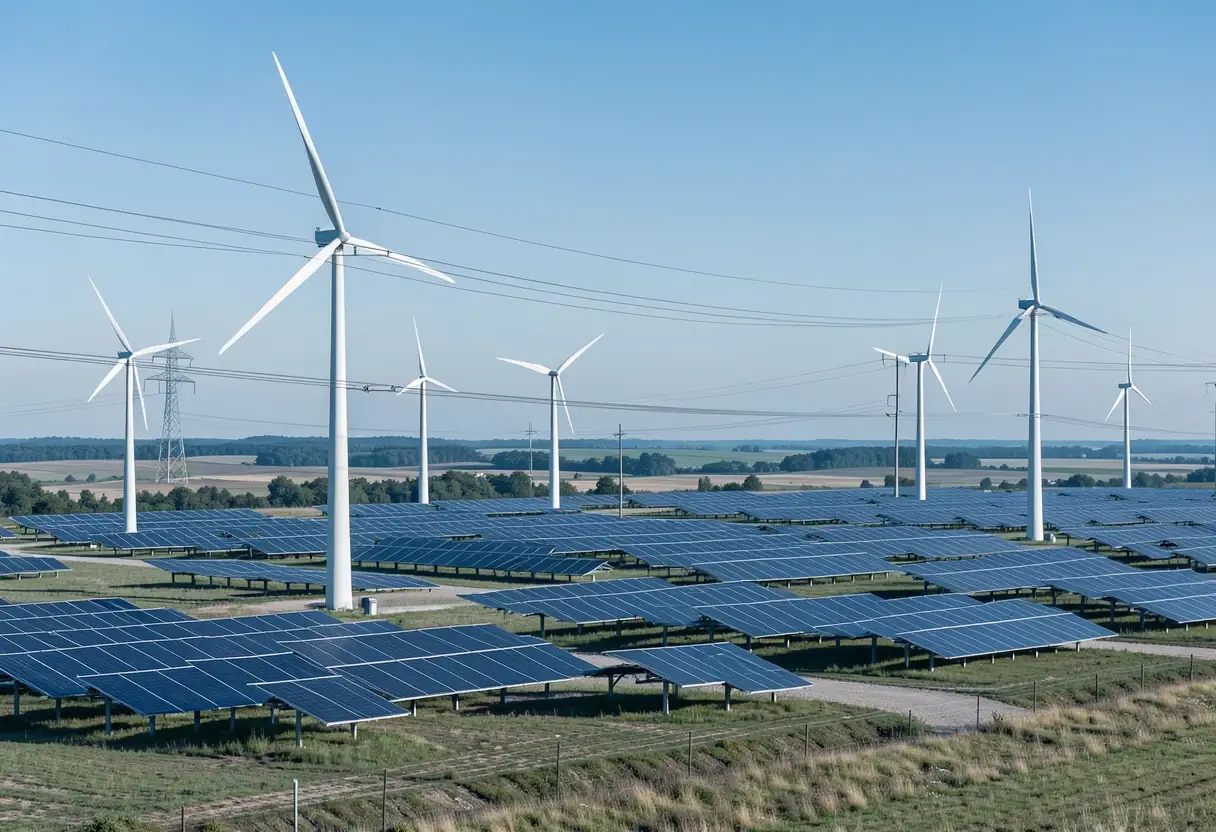
Trump, who has repeatedly attempted to halt clean energy projects in the US, said last week that wind turbines are a "major loser" and vowed to prevent any more from being built — even as the Senate weighs a bill meant to sweep away blockages to clean energy construction.
That animosity, Gore argued, means Baaja would end up serving the fossil fuel industry regardless of its text. "Trump will implement any legislation given to him in a way that continues to redeem his unethical pledge to the fossil fuel industry during his campaign," he said, referencing Trump's promise before the 2024 election to help oil and gas executives in return for donations.
"The president of the United States is in charge of implementing whatever legislation is passed and he doesn't play by the rules, he doesn't respect the law and it's not a mystery how he would try to implement this legislation," Gore said. "It would lock in a lot of new pipelines and fossil fuel facilities. And we will have a chance with the new Congress and the new balance of power in the US government to do a much better job."
What do the bill's supporters argue?
Democratic Senator Sheldon Whitehouse, a longtime climate advocate who helped craft the legislation, rejected Gore's criticism — and noted Gore never consulted him before going public.
"Mr Gore neither spoke to Senator (Martin) Heinrich or me or our teams before he reached that conclusion," Whitehouse, also at Cop31, said.
Whitehouse said he's working on "a variety of amendments to see what can be done to shore up potential holes in the bill," including provisions that would prevent Trump from arbitrarily blocking clean energy developments.
He also pushed back on the backlash from some Democrats and green groups, who argue the bill guts environmental protections for a modest cut in greenhouse gas pollution. "There was a huge surge of misinformation that came kind of immediately after the text was released … we have had lots of exaggerated fears," Whitehouse said.
One analysis found the bill could deliver as much as 1.5bn tons of emissions reductions by 2040. Whitehouse said he hopes amendments will increase that total.
Baaja's proponents warn of a simpler risk: Democratic control of Congress in January won't produce a better bill, because support from Trump and Republicans will wither. The result would be no permitting legislation at all — leaving wind and solar projects bogged down in lengthy reviews while new generation struggles to deliver clean electricity amid a nationwide shortage of transmission lines.
How deep is the green movement's split?
The fight cuts to a core tension among environmentalists: whether to prioritize the climate crisis even if it means accepting new infrastructure that may harm ecosystems and communities.
"The prospect of losing tools to slow down and stop the cruelest projects should be haunting everyone," said Abigail Dillen, president of Earthjustice, which opposes the bill.
For Whitehouse, the math is stark. "Nothing is going to be more devastating to the environment than continuing on our pace of climate change, by like a factor of 100," he said.
He argued the politics of development have shifted from the era when industry was the default adversary. "Clean energy development is wildly outpacing fossil fuel development now. In the old days the developers were almost always the bad guys and a mindset developed around that pattern," Whitehouse said.
"But that has now shifted and developers are 90% plus likely to be the good guys in the energy space," he added. "I think if you have a gigaton scale decrease of emissions available, it's important to grab it while you can."
Whitehouse framed Baaja as a first step, not a finish line, noting that when Democrats take control of Congress there will be "far bigger environmental and climate fish to fry than just this bill." His closing assessment was blunt: "I think this is step one. We have to keep going because we are failing right now. We are failing to meet the obligations we have."
The Senate's final vote this week will decide whether that first step happens under Trump's implementation — or waits for a Congress that Gore and his allies believe can, in his words, "do a much better job."
Original: hillheat.com
More from Amara Osei
Show full bio
Senior reporter covering companies, deals and strategy in entrepreneurship, startups and venture funding at Business Bearings.
2,136 articles