Americans Pay Up to $2,000 for Professionally Arranged Porch Pumpkins
Pumpkin concierges charge up to $2,000 per porch. A Texas startup now makes six figures and is franchising the model nationwide.
By Daniel Okafor
3 min read
What's News
- Porch pumpkin styling services charge from a few hundred dollars up to $2,000 per display.
- Porch Pumpkins, launched in Texas in 2020, now earns six figures and has begun franchising, Business Insider reported.
- Curated Pumpkin, founded in Southern California in 2024, grew 5x in 2025, per the Wall Street Journal.
- Professional Christmas light installation is a $3.5-billion-a-year industry, according to Market Report Analytics.
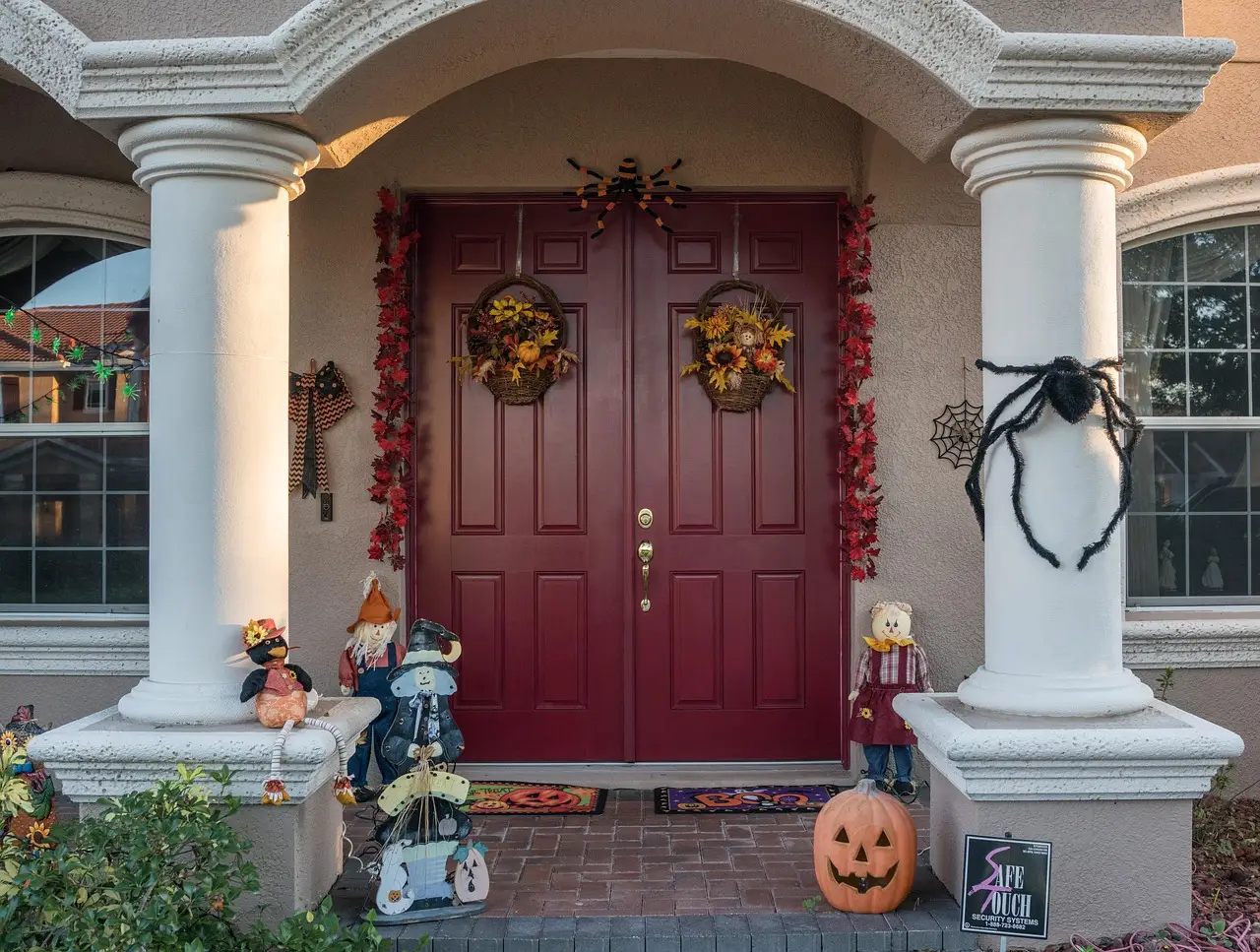
Americans are paying up to $2,000 to have pumpkins arranged on their porches, and one Texas company that started as a side hustle now clears six figures and sells franchises. Porch decorating businesses are spreading across the United States this fall, according to the Wall Street Journal, and they charge from a couple hundred dollars to the top of that range depending on how elaborate the display.
The service covers the entire job. Porch stylists—also called pumpkin concierges—handle delivery, arrangement and assembly. Some will even source exotic gourds, including varieties that the original report described as looking like they were designed by Dr. Seuss. After Halloween, many operators offer teardown and cleanup, unless a client prefers to leave jack-o'-lanterns out until New Year's.
Who is building the business?
Two companies show how fast the niche is growing.
- Curated Pumpkin, founded in Southern California in 2024, grew its business fivefold in 2025, the Wall Street Journal reported.
- Porch Pumpkins, based in Texas and launched in 2020, now makes six figures in revenue and has begun franchising, Business Insider reported in July 2025.
The Texas case is the clearest signal of where this market can go. What began as a hobby side hustle became a six-figure business within five years, and the owner is now selling the model to franchisees rather than simply adding routes. Franchising converts a seasonal labor business into a licensing business, which scales faster and carries less operational risk for the founder.
What drives customers to pay?
The original report framed the demand plainly. Some customers lack time to visit a pumpkin patch. Others are allergic to hay. Still others, as Morning Brew put it, "accidentally snap the stem off every pumpkin you try to pick up." The service sells convenience, not pumpkins. The product is a finished porch display with zero effort from the homeowner.
Pricing scales with ambition. A few hundred dollars buys a basic arrangement. At the top end, $2,000 buys a full porchscape designed, in the words of the source report, to make the neighbors jealous. That peer-competition dynamic mirrors other home-exterior services, where visible status drives spending beyond pure utility.
Is there a proven model behind this?
Yes: Christmas lights. Professional holiday light installation is now a $3.5-billion-a-year industry, according to Market Report Analytics, cited in the original report. Porch pumpkin styling is essentially the autumn equivalent of that business, with the same structure—seasonal demand, high visibility on the street, and customers who would rather pay than climb a ladder.
The comparison matters for anyone weighing the market's ceiling. If consumers already spend billions on outsourced Christmas decor, a parallel autumn category has room to grow from a scattering of small operators into something structured. The fivefold growth at Curated Pumpkin in a single year suggests demand currently outruns supply.
What happens after the season?
The teardown offer is more than a courtesy. It converts a one-visit sale into a two-visit relationship and gives operators a second touchpoint for selling the next holiday. A company that removes pumpkins in November can pitch Christmas lights in December, effectively doubling the revenue season per customer.
The constraints are real. The business is seasonal, labor-heavy and tied to a narrow window between late September and Halloween. Franchising, as Porch Pumpkins is doing, spreads that risk across markets and owners while the brand captures the upside. Curated Pumpkin's fivefold expansion shows the demand exists; the open question is whether any operator can hold customers and crews together across more than a few weeks of peak demand each year.
Original: wsj.com
More from Daniel Okafor
Show full bio
Correspondent covering money, funding and market shifts around entrepreneurship, startups and venture funding at Business Bearings.
1,187 articles