Antler and OpenAI See Nigeria Bet in Energy, EVs and AI Infrastructure
Antler's Magnus Grimeland calls Nigeria's EV sector "a huge opportunity," as OpenAI executives argue Africa can build AI, not just consume it, at a Lagos summit.
By Amara Osei
3 min read
What's News
- Antler CEO Magnus Grimeland called Nigeria's EV sector "a huge opportunity" at the Building and Funding Africa's AI summit in Lagos.
- Global electric car sales exceeded 17 million units in 2024, over 20 percent of new car sales, per the IEA's Global EV Outlook 2025.
- Data centres consumed about 415 terawatt-hours of electricity in 2024, and the IEA projects demand could more than double to 945 TWh by 2030.
- China accounted for over 11 million electric car sales in 2024, with EVs above 40 percent of new car purchases.
- OpenAI's Africa Lead Emmanuel Lubanzadio challenged the view that Africa is only a consumer, not a developer, of AI.
Antler founder and CEO Magnus Grimeland has called Nigeria's electric vehicle industry "a huge opportunity," pairing his venture firm's interest with OpenAI executives' push to position Africa as a builder — not just a consumer — of artificial intelligence.
The two companies laid out their investment thinking at the Building and Funding Africa's AI summit, held recently in Lagos. Grimeland spoke alongside Emmanuel Lubanzadio, Africa Lead at OpenAI, and Tom Duff Gordon, Vice President of EMEA Policy at OpenAI. Lubanzadio used the summit to challenge the perception that Africa was primarily a consumer rather than a developer of artificial intelligence.
Where does Antler want to put money in Nigeria?
Grimeland identified electric mobility, renewable energy, battery storage and electricity infrastructure as the most promising areas for entrepreneurs on the continent. Asked directly about Antler's interest in Nigeria's electric vehicle industry, he pointed to China's rapid EV adoption and Vietnam's expanding electric mobility businesses as proof of how fast the sector can scale.
"I think it's a huge opportunity," Grimeland said. "If we combine that with energy storage and renewable energy, plus obviously you need to roll out other sources of power generation, it also fits very well with the whole AI rollout because that requires power as well."
He said opportunities run across the entire supply chain, and encouraged entrepreneurs to build electric vehicle businesses and the supporting electricity infrastructure around them.
How big is the global EV market Antler is betting on?
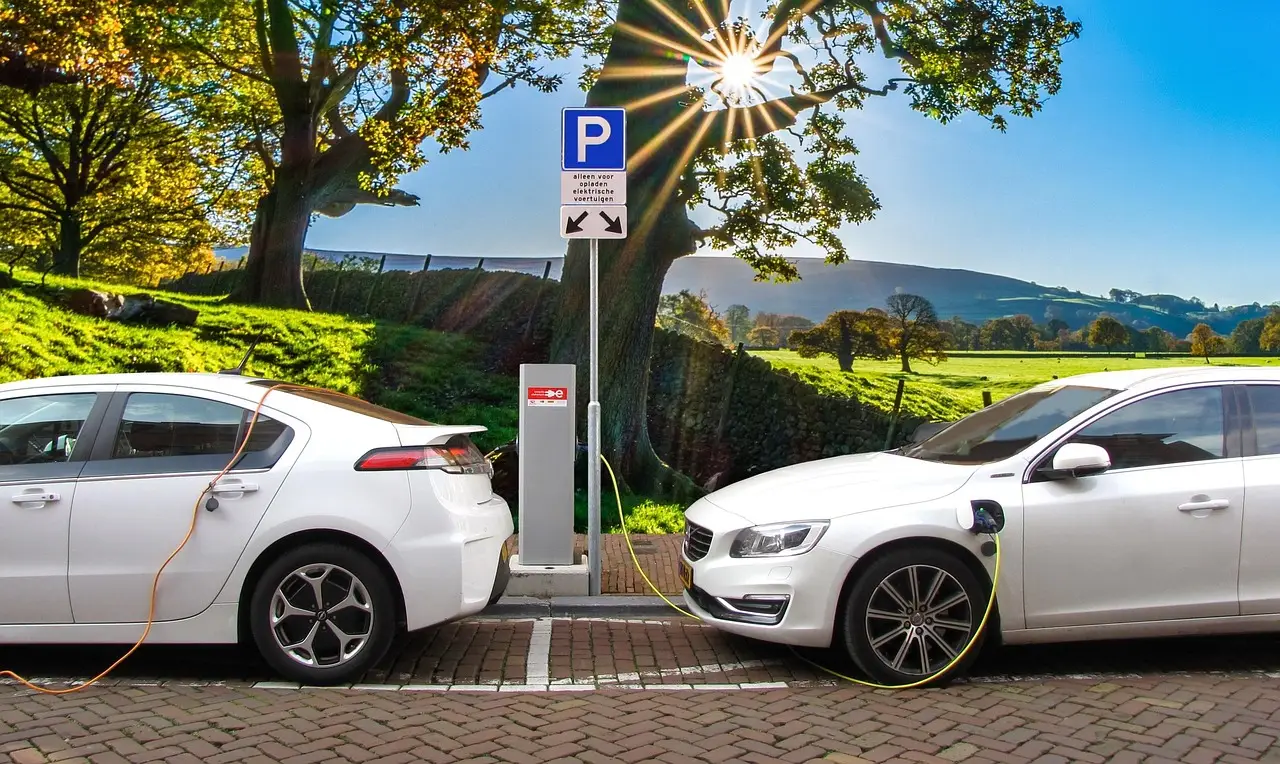
The International Energy Agency's Global EV Outlook 2025 puts hard numbers behind the interest. Electric car sales exceeded 17 million units worldwide in 2024, more than 20 percent of all new car sales.
China alone accounted for over 11 million of those sales, with electric vehicles representing more than 40 percent of new car purchases in the country. Global electric truck sales grew by almost 80 percent in 2024, though adoption remained concentrated in China.
For Nigeria, that growth translates into openings for vehicle assemblers, charging infrastructure developers, battery suppliers and logistics operators looking for alternatives to petrol- and diesel-powered fleets.
What stands in the way?
The barriers are real. High vehicle acquisition costs, limited charging facilities, inadequate electricity supply and restricted access to financing remain the main obstacles to widespread adoption, according to the summit discussion.
Electric commercial vehicles could still reshape Nigeria's logistics and supply chain industry, where fuel is a major operating expense for transport and distribution businesses. Electric delivery motorcycles, buses and commercial vehicles suit operations with predictable routes and reliable charging access. Actual savings would hinge on purchase prices, electricity tariffs, battery replacement costs and maintenance requirements.
Why is AI suddenly an energy story?
Beyond transport, Grimeland flagged power management, smart grids, energy storage and data centre technology as key investment areas in the emerging AI economy. His logic: major technological shifts funnel capital into infrastructure before software and business applications follow.
"That's typically where you have, when you have big platform shifts, a lot of money lands there first, infrastructure," he said.
The numbers back him up. The IEA's Energy and AI report estimated data centres consumed about 415 terawatt-hours of electricity globally in 2024, roughly 1.5 percent of worldwide consumption. The agency projects demand could more than double to about 945 terawatt-hours by 2030, driven partly by AI's expansion.
What does this mean for African founders?
For African economies, the trend points to rising demand for electricity generation, battery storage, data centre equipment and the logistics services needed to transport and install that infrastructure. It also rewards businesses developing energy-efficient systems that cut operating costs.
Nigeria's chronic electricity problems make the investment case urgent. Businesses routinely depend on alternative power sources to keep running, inflating costs for manufacturers, logistics companies and technology service providers.
Grimeland laid out three ways African entrepreneurs can join the AI economy: build the infrastructure, work on software and foundational models, or apply AI inside traditional businesses to raise productivity and expand operations. The companies that solve Nigeria's power gap, his argument implies, will be supplying the physical backbone of the continent's next technology cycle.
Source: GN: Venture Capital
More from Amara Osei
Show full bio
Senior reporter covering companies, deals and strategy in entrepreneurship, startups and venture funding at Business Bearings.
1,421 articles