Brent Hits $113 as Tanker Rates Five Times Pre-War Levels Squeeze Oil
Brent closed at $113.17, near April highs, as Gulf-to-Asia tanker rates topped $37 a barrel — five times pre-war levels — and the US evacuated staff from Saudi Arabia.
By Nathan Brooks
4 min read
What's News
- Brent's December contract settled at $113.17 a barrel Thursday, its highest close since May 4 and 4.4% below the year's high of $118.35.
- WTI rose 2.4% to $99.47, 12% below its April 7 year-to-date closing high of $112.95.
- Mid-October Gulf-to-Asia tanker costs exceeded $37 per barrel, more than five times pre-war levels.
- The U.S. State Department ordered non-emergency personnel and families to leave Saudi Arabia.
- Iraq, the UAE and Saudi Arabia are building routes and storage outside the Gulf as record U.S., Canadian, Brazilian and Guyanese output shifts energy's center westward.
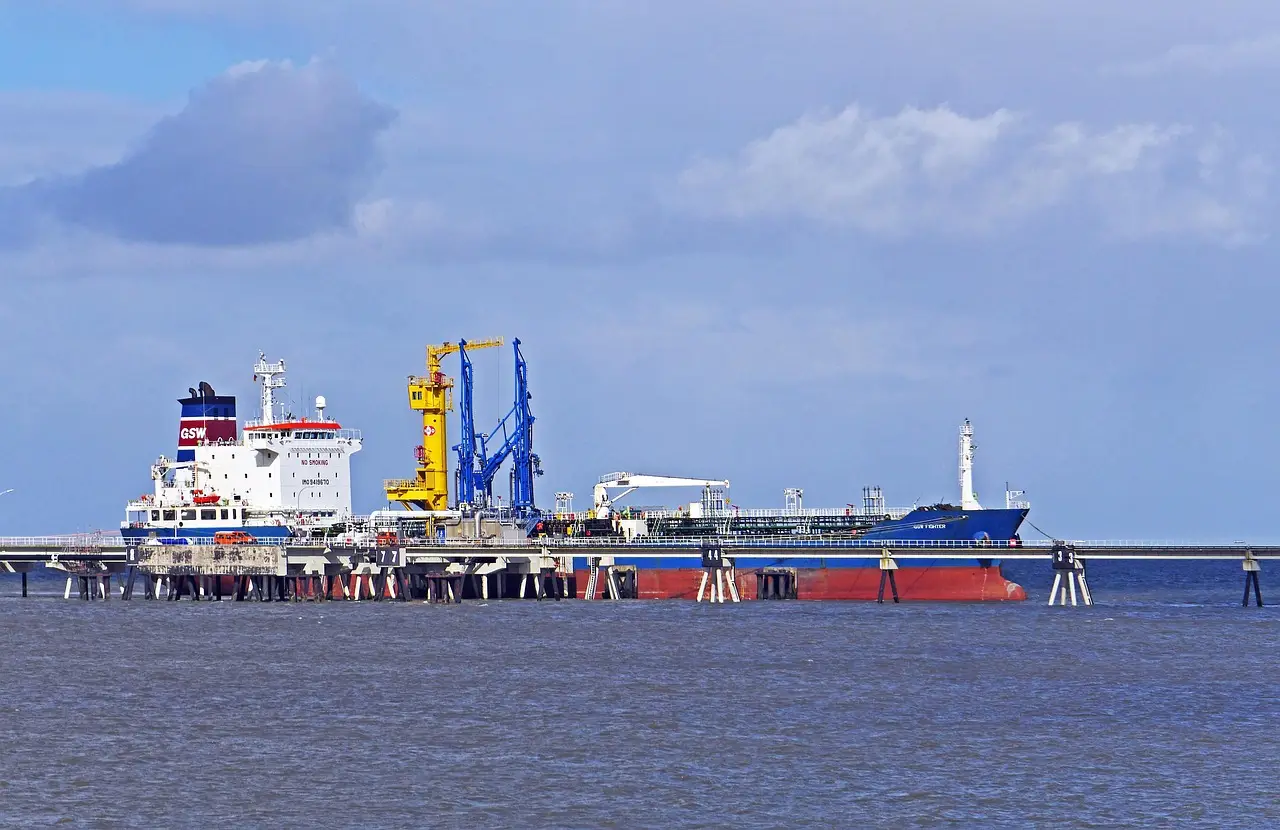
Brent crude settled at $113.17 a barrel on Thursday — its highest close since May 4 and just 4.4% below the year's peak — as a second energy squeeze built on top of the Iran war's headline price shock: tanker rates from the Middle East Gulf to Asia have hit more than $37 per barrel, over five times their pre-war level.
U.S. benchmark West Texas Intermediate climbed 2.4% to settle at $99.47 a barrel, according to Dow Jones Market Data. That leaves WTI 12% below its year-to-date closing high of $112.95, set on April 7. Brent's December contract finished up 4% on the day.
The trigger this week was the U.S. State Department ordering non-emergency government personnel and their families to leave Saudi Arabia, after attacks on regional oil fields and airports plus further drone strikes by Iran-backed Houthis. Reuters first reported Wednesday that the ordered departures will include some staff and family members from certain U.S. embassies across the Persian Gulf region. A State Department spokesperson told MarketWatch the orders cover only non-emergency employees and their families in Saudi Arabia.
The department said the Houthis have increasingly engaged in hostilities against Saudi Arabia and that these hostilities could escalate rapidly, including beyond the immediate area — with the safety of personnel and families remaining the highest priority.
What does the evacuation actually signal?
For practitioners, the question is whether this is routine security housekeeping or a genuine repricing of Saudi supply risk. Matt McManus, senior fellow at the National Center for Energy Analytics, a nonpartisan energy think tank, splits the difference.
"Diplomatic evacuations of non-essential staff and accompanied family members are fairly routine and driven more by security conditions than political ones," McManus said. "Nevertheless, it also sends a signal that on-the-ground infrastructure is at risk, and given Saudi Arabia's large oil production, this of course has broader market implications."
William Stern, founder and CEO of small-business lender Cardiff — whose clients include trucking, delivery and construction companies absorbing high fuel costs — put it more bluntly. The U.S. pulling American families from Saudi Arabia "certainly sends a different signal than anything we've seen since the outset of the war," Stern said. Saudi Arabia was supposed to be the "backstop if and when Hormuz got ugly, and now we're genuinely worried about our Plan B."
Traders are pricing a longer war
The war, now almost eight months old, began in late February when the U.S. and Israel started the conflict, and Thursday's prices were approaching their highest levels since then. President Donald Trump has repeatedly claimed oil prices will fall immediately after the midterm elections in two weeks. The recent escalations make that look increasingly unlikely.
"When you look at Brent crude today, traders aren't exhausted about the ongoing conflict," Stern said. "They're just pricing a commodity at a price that reflects that the war will continue after the U.S. midterms."
Freight is no longer a supporting character
Benchmark prices are only part of what determines the delivered cost of fuel, and here the second squeeze matters as much as the first. Data compiled by the International Energy Agency show freight costs soaring in recent weeks, with tanker rates surging to historic highs in September. By mid-October, shipping crude from the Middle East Gulf to Asia on a large tanker cost over $37 per barrel — more than five times the pre-war level.
"For most of the past decade, freight was often little more than a supporting character in the crude-oil story, important to physical traders and refiners but rarely influential enough to dominate the broader market narrative," said Stephen Innes, managing partner at SPI Asset Management, in his Substack newsletter, The Dark Side of the Boom. That "comfortable arrangement has been turned on its head by the Middle East conflict, where the cost of transportation is becoming almost as important as the price of the commodity being transported," he said.
Where the flows go from here
McManus sees the disruption as structural, not a blip. "We are indeed looking at the beginning of a longer, structural change in how global oil gets distributed," he told MarketWatch on Thursday.
That shift is already visible in two places. Iraq, the United Arab Emirates and Saudi Arabia are expanding routes and storage outside the Gulf region. Meanwhile, record crude production in the U.S., Canada, Brazil and Guyana is steadily pulling the center of global energy toward the Western Hemisphere. For anyone pricing delivered barrels — refiners, physical traders, fleet operators — the freight line item now deserves the same scrutiny as the crude itself.
Source: MarketWatch
More from Nathan Brooks
Show full bio
News editor covering regulation, policy and their impact on entrepreneurship, startups and venture funding at Business Bearings.
1,156 articles