Britain's 39m Smart Meters Change Hands After 13 Years of Delays
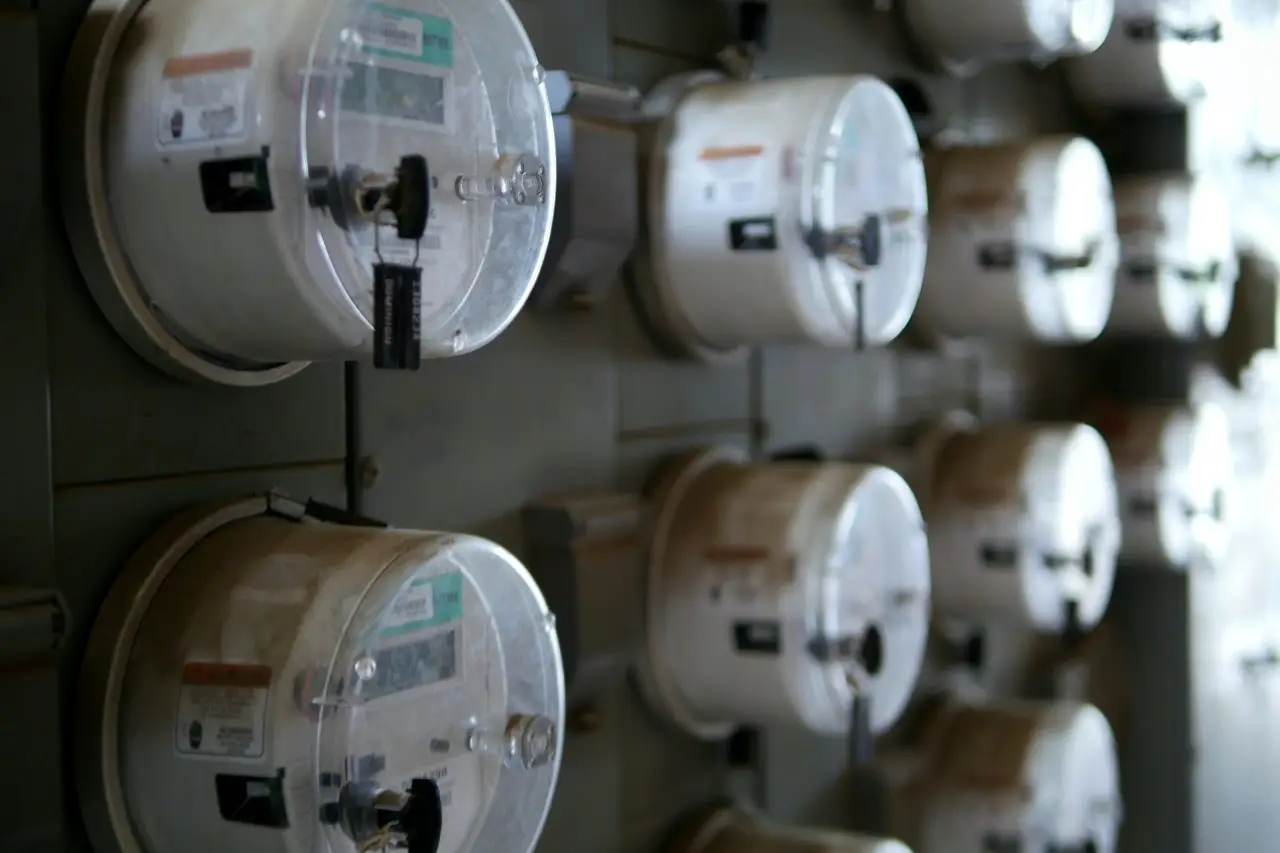
Control of Britain's 39m smart meters has passed to a non-profit after Capita's Smart DCC presided over 13 years of delays, £200,000 in redress payments and a 97% share price collapse.
By Olivia Hart
3 min read
What's News
- 39 million smart meters across 23m homes and businesses switched operators this week from Capita's Smart DCC to a non-profit subsidiary of SECCo.
- Three in 10 households still lack a smart meter and £1.7bn more may be needed to complete the rollout.
- Smart DCC paid £200,000 into a consumer redress fund in July after an investigation into non-competitive procurement contracts.
- Capita's market value has fallen 97% in a decade.
- The new board includes Dame Gillian Guy, former chief executive of Citizens Advice.
By Olivia Hart
Control of the data network behind Great Britain's 39 million smart meters passed this week to a non-profit startup, ending a 13-year licence held by a subsidiary of crisis-hit outsourcing firm Capita. The handover closes a chapter marked by spiralling costs, delays and billing problems for millions of households.
Smart DCC, the Capita-owned operator, had held the licence since 2013 to build the country's first smart meter data network. The company promised a "seamless transition" to its not-for-profit successor, which begins running the network this week.
Why did Capita lose the licence?
Industry sources said Whitehall officials effectively blocked Smart DCC from tendering for a new licence. The government decided to replace the 2013 commercial framework with a not-for-profit, public-interest model governed by an independent board.
The network becomes a wholly owned subsidiary of the Smart Energy Code Company (SECCo). The new operator said the structure will bring "a greater focus on cost, transparency and customer and consumer needs" — a promise that will be tested against a rollout still unfinished five years after its original deadline.
The board will include veteran energy and telecoms executives alongside Dame Gillian Guy, the former chief executive of Citizens Advice. In 2024, Citizens Advice claimed households had been "let down" by the rollout, because almost a third of smart meters were not working properly.
How far behind is the rollout?
Ministers originally wanted every household fitted with a smart meter before 2020, to help modernise Britain's outdated energy system and support renewable energy and data-led tariffs. That deadline was missed.
The government's spending watchdog said the programme has faced "serious reputational obstacles". Three in 10 households still have no smart meter, and the watchdog estimated another £1.7 billion may be needed to finish the job — roughly £60 for every household in the country.
What did the regulator find?
The tender for a new network operator ran last summer. At roughly the same time, the industry regulator opened an investigation into Smart DCC's procurement contracts. That investigation covered deals awarded without a competitive process, including one granted to its own parent company, Capita.
Smart DCC agreed in July to pay £200,000 into a consumer redress fund. The payment came in the same week Capita was forced to apologise for its role administering the crisis-hit Civil Service Pension Scheme, which left thousands of retired civil servants waiting for payments.
Capita's market value has fallen 97% over the past decade. The company, once entrusted with administering a string of government schemes, revealed severely strained finances and mounting debts before undertaking an emergency restructuring.
What do the companies say?
A Capita spokesperson defended the record: "Capita is proud of its 13-year stewardship of DCC. What began as an ambitious programme is now critical national infrastructure, connecting more than 39.2m smart meters across 23m homes and small businesses, with network availability of 99.6%."
"We hand over a secure and resilient network that millions of consumers rely on every day and have been working with stakeholders to ensure an orderly transition to DCC's next chapter."
The 99.6% availability claim concerns network uptime, not meter functionality — the same metric Citizens Advice used when it found nearly a third of meters not working properly.
A spokesperson for Ofgem, the energy regulator, said Smart DCC had "played a critical role" in delivering "an efficient and secure digital communication structure". The new licence holder, the spokesperson added, would be expected to "build on that solid foundation".
Neither Capita nor Ofgem addressed how the remaining £1.7 billion cost will be met, or on what timeline the three in 10 households without meters will get them. The new operator's first test will be whether its not-for-profit structure delivers the cost discipline its commercial predecessor could not.
Source: The Guardian Business
More from Olivia Hart
Show full bio
Staff writer covering people, launches and day-to-day practice in entrepreneurship, startups and venture funding at Business Bearings.
1,440 articles