Chinese Miners Take 80% of Profits in Bolivia's Illegal Gold Trade
Chinese firms control Mayaya's gold mines end to end and take up to 80% of profits, while only 10% of Bolivia's 100-tonne annual output is sold legally.
By Nathan Brooks
4 min read
What's News
- Chinese investors take 75–80% of profits from Bolivian mines they run via cooperative contracts, Cedla researcher says.
- Only ~10% of Bolivia's ~100 tonnes of annual gold output is sold legally, according to regulator Ajam.
- July arrest in Santa Cruz: 189.5kg of gold worth ~£18.5m bound for Dubai.
- Mayaya hosts ~20 open-pit mines and 12 dredge boats with ~2,000 Bolivian and 200 Chinese workers.
- President Rodrigo Paz signed a May agreement easing mining in protected areas.
Chinese investors pocket 75% to 80% of profits from gold mines they formally don't own in Mayaya, a once-remote Amazonian town that has become a hub of largely illegal gold extraction in under a decade. That's the core finding of Alfredo Zaconeta, a mining researcher at environmental thinktank Cedla, who says foreign investors sign service contracts with local cooperatives on paper but control the mines end to end — selecting sites, hiring workers, supplying machinery and exporting the gold.
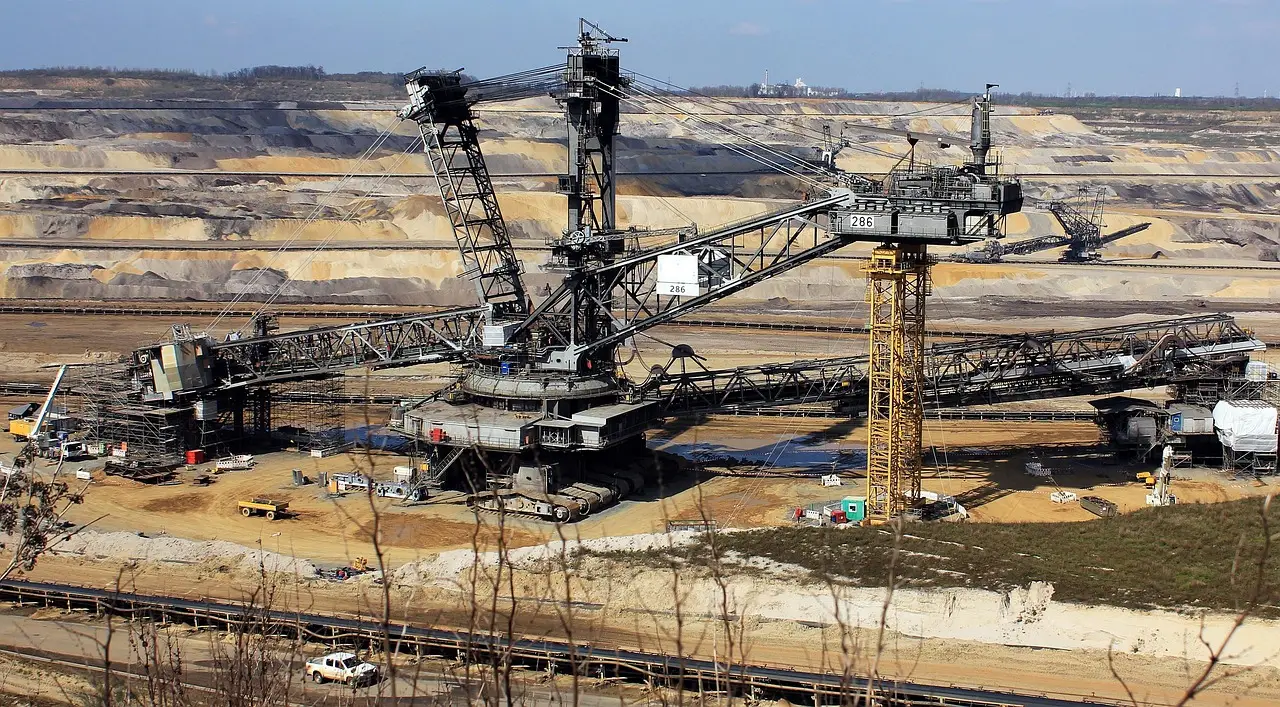
The numbers frame the scale. Mayaya's mining operations run about 20 open-pit mines and 12 dredge boats, worked by roughly 2,000 Bolivian and 200 Chinese laborers. Jaime Sanabria, director of Bolivia's mining regulator Ajam, estimates the country produces about 100 tonnes of gold a year — yet only about 10% is sold legally, costing the government and Bolivians billions in lost revenue. Sanabria puts total illegal mining at about 80% of the country's output.
What does the legal gray zone actually look like?
A 2014 national law limits mining rights to cooperatives, independent miners, state-controlled firms and registered private companies with Bolivian offices. The state allows joint ventures only through public-private contracts where it holds a share. Chinese firms operating outside that framework act unlawfully, and under a 2016 law, cooperatives risk expropriation if they share concession risks with foreign firms.
Enforcement is the missing piece. Zaconeta says the state lacks the resources and political will to police the mining lobby and rarely enforces ownership and permit rules. With 3,117 cooperatives nationwide, regulation is fragmented. Annual environmental audits exist, but Zaconeta says Chinese investors typically get advance notice and clean up before inspections arrive. His verdict on the compliance paperwork: "It's just a good faith declaration; it can't be verified. Everyone knows they are breaking the law."
The migration wave has a clear trigger. China's national development and reform commission banned domestic small-scale gold mining in 2017, citing environmental and national defence concerns. Chinese goldminers first reached Mayaya in 2005, but the crackdown pushed miners and investors abroad — and companies began hiring workers from mines closed back home for newly opened Bolivian operations. One such firm, Shenzhen Vicstar Import and Export, has operated in Bolivia since at least 2011; officially it lists only print materials and manufacturing in a supplier directory. Shenzhen Vicstar, the Mining Ministry and the Regional Federation of Gold Mining Cooperatives of Bolivia did not respond to requests for comment.
Where does the gold go?
Much of Mayaya's gold ends up in Dubai through illegal exports. Chinese middleman He Zijian, who ships gold to La Paz during price surges, says bullion travels to the capital before being smuggled to the Gulf, where it's sold at Murshid Bazar, Dubai's largest gold market. From Dubai, gold often moves on to Switzerland, where it's laundered into legal supply chains and sold in western markets.
The quantities are staggering. In July, Bolivian police arrested a man departing for Dubai from Santa Cruz with four suitcases holding 189.5kg of high-purity gold worth roughly £18.5m. Authorities say the arrest — whether or not the man has links to Chinese companies — underscores the vast illegal outflow.
Who pays the cost?
Bolivian workers on dredge boats earn about a quarter of what Chinese colleagues doing the same jobs make, according to two miners. "They've left nothing for us," says lifelong Mayaya resident Victoriano Piloy. "The money doesn't stay here — that's why we're poor."
Mercury poisoning is spreading through Indigenous communities already squeezed by deforestation and wildfires. With Chinese companies controlling the river, Bolivian artisanal miners are pushing into Madidi national park, one of the world's most biodiverse. In August, villagers south of Mayaya seized and burned mining machinery allegedly owned by a Chinese company over environmental damage. Nearby municipalities have banned gold mining outright. "The environmental impact is devastating because no one is inspecting or enforcing the rules," Sanabria says.
What does this change for investors?
For now, policy is moving toward more permissiveness, not less. Bolivia's new conservative president, Rodrigo Paz, signed an agreement with mining cooperatives in May that lowers barriers to mining in protected areas and Indigenous territories.
But the boom has a shelf life. Chang Yuequan, an early Chinese investor who has mined from the China-Russia border to Tibet and North Korea, says Mayaya's gold is depleting and expects to move on within five or six years, once his boats stop operating. For a town where mining-equipment stores, hotels and Chinese restaurants now line the main street — and where Yang Yanbin says "as long as you have money to invest, this country welcomes you" — the practical question is what remains when the operators who built it leave.
Original: business-humanrights.org
More from Nathan Brooks
Show full bio
News editor covering regulation, policy and their impact on entrepreneurship, startups and venture funding at Business Bearings.
1,510 articles