CoreWeave's 25% Plunge Spooked Wall Street — But the Death Diagnosis Is Premature
CoreWeave fell 25% and the Nasdaq logged its worst week since June. But with 12% YTD returns and $1 trillion in leases, the crisis diagnosis looks premature.
By Amara Osei
4 min read
What's News
- CoreWeave stock fell 25% in the week ended Oct. 16; the Nasdaq dropped 4.5%, its worst week since June.
- Nearly $500 billion in AI-related debt was issued through the first seven months of 2026, per Goldman Sachs.
- Data-center lease agreements now total more than $1 trillion, according to Moody's.
- The Nasdaq and S&P 500 have each returned 12% year-to-date and over 14% in the last 52 weeks.
- Oct. 6-10, 2008 was the Dow's worst week ever, an 18% drop.
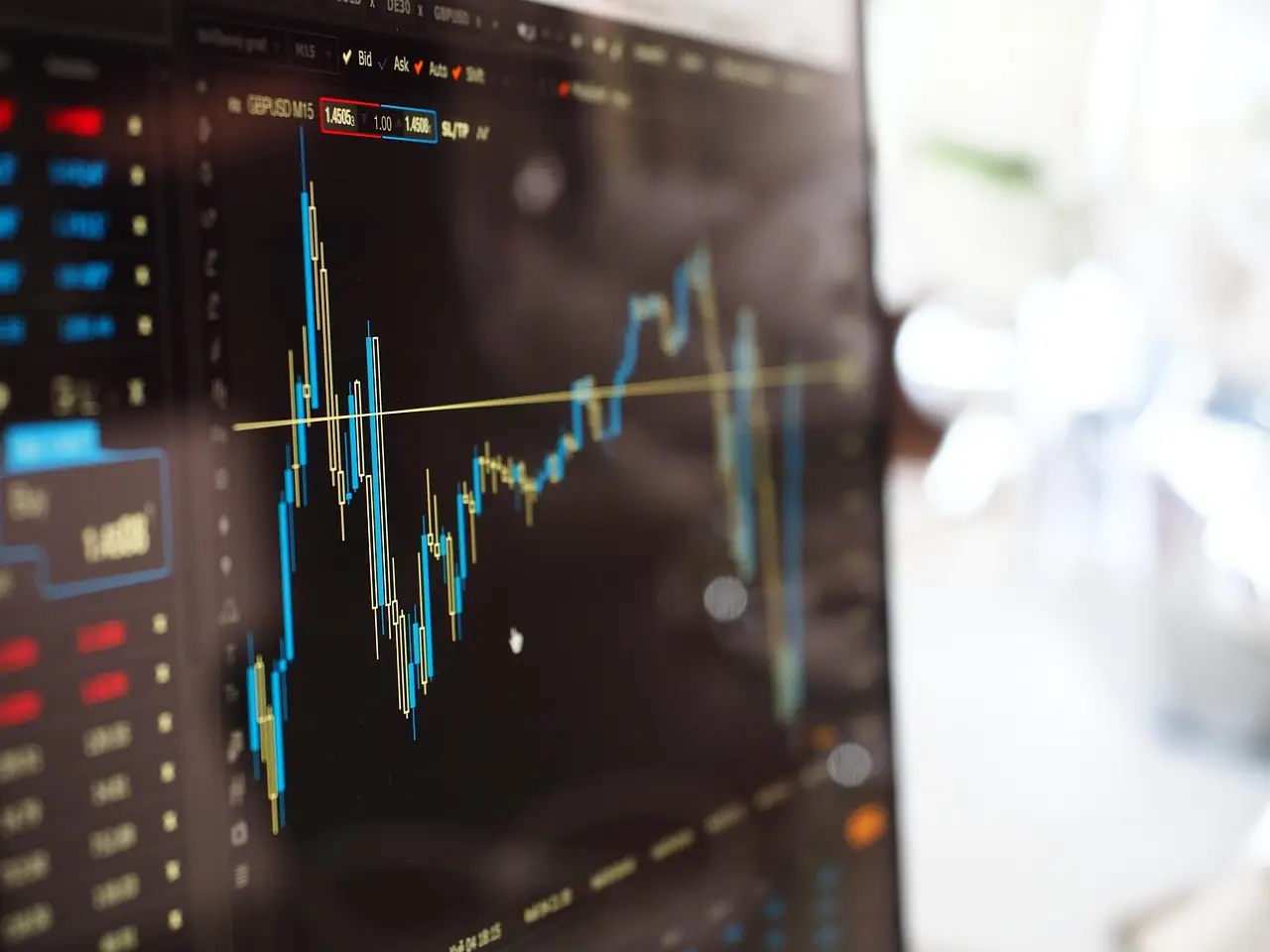
CoreWeave's stock fell 25% in the week ended Oct. 16, dragging the Nasdaq Composite down 4.5% — its worst week since June — and the S&P 500 down nearly 2%. Wall Street responded with instant diagnoses of either doom or deliverance. Both, argues the source analysis, deserve skepticism.
The piece, an opinion column titled "Outside the Box," makes a blunt case: stop listening to market pundits and start looking at market performance. The loud voices are experts — but experts in running their own books. "Go West, fellow investor!" they shout, "as they short California and buy the East." In other words, their incentives aren't yours.
Why did October feel so frightening?
Timing did much of the work. The Nasdaq and S&P 500 kept sliding in the days after CoreWeave's drop. But October has a long history of panic: the Panic of 1907, Black Thursday on Oct. 24, 1929, Black Monday on Oct. 19, 1987, and Oct. 6-10, 2008 — the worst week ever for the Dow Jones Industrial Average, an 18% drop.
Some of those episodes brought swift recoveries. Some, like 1987, were corrections. Others started something far worse. Telling them apart in real time is the hard part. The column's point: these events usually hit when things are hot and need to cool — and by almost any measure, things have been hot.
What do the numbers actually say?
The Nasdaq Composite has returned roughly 18.5% annually with dividends over the last decade. The S&P 500 has returned about 15%. The historical nominal average is 10%. Stocks have been returning 1.5x that or more — a historic bull run.
Even with the pullback, 2025's numbers hold up. The Nasdaq and S&P 500 have each returned 12% year-to-date and more than 14% over the last 52 weeks. "Find me an era when investors were whining about that. I'll wait," the column reads.
Since the financial crisis, apart from the rate-hike-driven stall in 2022, an investor could have bought an index fund, closed their eyes for ten years, and walked into the club "with the confidence of Warren Buffett." It's been that easy.
Is AI debt the structural threat?
Wall Street broadly agrees artificial intelligence will determine the next five to 10 years, the column notes. The framing is simple: it's a race between the profit AI promises and the massive debt it must pay down. It's a burn-rate story — you either believe it or you don't, and even non-believers can make money as valuations rise, provided they time their exits.
The case for CoreWeave as the canary is real. Nearly $500 billion in AI-related debt was issued through the first seven months of 2026, according to Goldman Sachs. Data-center lease agreements now total more than $1 trillion, according to Moody's. And more could be coming.
History offers precedents: Bear Stearns in 2007, Global Crossing and WorldCom in 2002 — companies playing the same game as everyone else, but taking it to an extreme or getting caught exposed first. As Buffett once said, when the tide goes out, we find out who was swimming naked. "CoreWeave may be swimming next to the shore, for all we know."
Whose problem is it, really?
The alternative read: CoreWeave's debt problems could be CoreWeave's alone. That would mean there's enough time for AI spending to pay off, that lenders and investors were right, and that everything is underpriced — even though that price has risen between 11% and 14% in the last year.
Dips also create airtime for big investors like Michael Burry and prominent analysts like Dan Ives. The media loves them because they've won big pots before. The caveat: that was then, and this is now. Many of Wall Street's pundits have been right — "some of them twice."
The column's bottom line: there's a difference between a watershed event and a selloff triggered by a company that reminded everyone this isn't kids' soccer, where every company gets a trophy. The market has had a good run and is still in the middle of one. "These things happen, and then people sell you something. That's where we're at — it's just a cold."
Source: MarketWatch
More from Amara Osei
Show full bio
Senior reporter covering companies, deals and strategy in entrepreneurship, startups and venture funding at Business Bearings.
1,124 articles