Delta Cuts 2026 Forecast as Fuel Bill Jumps 62%; CEO Dismisses Musk Feud
Delta Air Lines cut its 2026 profit forecast and posted its first earnings miss in two years as adjusted fuel expense surged 62% to $4.1 billion, while CEO Ed Bastian dismissed Elon Musk's claims of a personal feud.
By Daniel Okafor
3 min read
Updated
What's News
- Delta cut its 2026 EPS forecast to $5.10-$5.60 and now expects an extra $6 billion in fuel costs
- Adjusted fuel expense jumped 62% year over year to $4.1 billion in the September 2026 quarter
- Record September-quarter revenue of $17.6 billion was up 16%; premium ticket revenue rose 18% to $6.8 billion
- Amazon Leo installation on 500 Delta aircraft begins in 2028, after United and American complete Starlink rollouts by 2027
- American Airlines said it will equip its full mainline fleet of more than 1,030 aircraft with Starlink beginning in 2027
Delta Air Lines cut its 2026 profit forecast and posted an earnings miss for the first time in two years, blaming a 62% surge in adjusted fuel expense to $4.1 billion since the war with Iran began in February.
The airline now expects full-year earnings of $5.10 to $5.60 per share and roughly $6 billion in extra fuel costs. It projects December-quarter revenue growth of about 20%.
Delta still posted record September-quarter revenue of $17.6 billion, up 16% year over year, and pre-tax profit of $1.5 billion, matching its year-ago result.
Why did Delta miss Wall Street's estimate?
Premium ticket revenue rose 18% to $6.8 billion. Loyalty revenue climbed 18%, putting American Express co-brand payments on track to exceed $9 billion for 2026. None of that was enough to clear Wall Street's bottom-line test.
Does Ed Bastian actually have a feud with Elon Musk?
The miss landed alongside CEO Ed Bastian's most public exchange yet with Musk over Delta's refusal to install Starlink on its planes. Speaking to CNBC's Squawk Box on Friday, Bastian dismissed Musk's social-media prediction that he would lose his job.
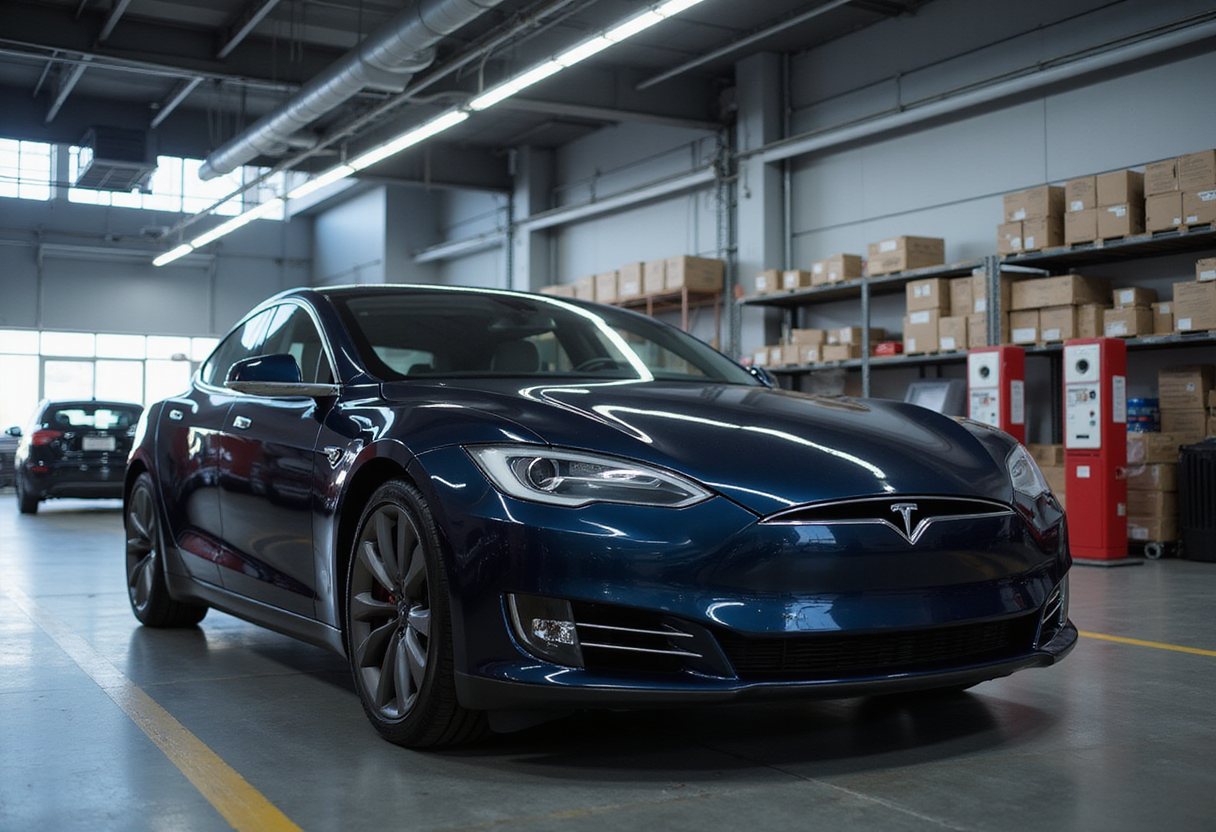
"There's no tit for tat as far as I'm concerned," Bastian told CNBC's Phil LeBeau. "I'm a big fan of Starlink. I drive a Tesla."
He added: "This nonsense about it being personal is not true at all. The reality is, Delta is the global pioneer in launching free and fast Wi-Fi as the industry standard." Asked about Musk's post that he would lose his job, Bastian said, "I don't pay any attention."
Why did Delta pass on Starlink in the first place?
Delta first talked with SpaceX six years ago and lent it planes for testing, Bastian said. The talks collapsed over scale and business terms.
"It was fabulous," Bastian said. "They just weren't ready to scale when we were ready to go, and we had disagreements on the business model in terms of access to the customer. I won't get into any details."
In March, Delta picked Amazon Leo over Starlink, with installations set to begin on 500 aircraft in 2028. Delta says Leo delivers retail, Amazon Prime, video and gaming at a much lower price than Starlink.
Musk offered a different explanation in May, posting on X that Delta wanted passengers to log in through its Delta Sync portal to funnel them into the loyalty program. "Delta wanted to make it painful, difficult and expensive for their customers," he wrote. Delta called the claim inaccurate.
How are rivals exploiting the dispute?
The spat turned personal in late September when the aviation account JonNYC reported Bastian telling employees, "We do not want to be with Elon Musk. Trust me." The remarks have not been independently verified. Musk responded on X that Bastian "will lose his job" over the decision.
United Airlines launched a status-match offer aimed at Delta flyers on Oct. 1. American Airlines invited those "suddenly reconsidering" their airline loyalty to switch. Musk reposted both announcements.
On Thursday, American said it will put Starlink on its entire mainline fleet—more than 1,030 aircraft—starting in 2027. United, which signed with Starlink in 2024, expects the system on its full fleet by the end of 2027, ahead of Delta's first Leo installation.
What changes between now and 2028?
Delta is now the lone holdout among the three largest U.S. carriers without Starlink. Bastian said customers flying on Delta's current Hughes and Viasat systems "are going to see meaningful improvements" by the end of 2026—two full years before a single Amazon Leo plane enters revenue service.
Original: cnbc.com
More from Daniel Okafor
Show full bio
Correspondent covering business strategy at Business Bearings.
585 articles