Dodge Returns to NASCAR in 2027 With Kaulig Racing
Stellantis will field Dodge in the NASCAR Cup Series from 2027 with Kaulig Racing, ending a decade-plus absence and betting on gasoline performance in North America.
By Olivia Hart
3 min read
What's News
- Stellantis will return Dodge to the NASCAR Cup Series in 2027
- Dodge's return ends an absence of more than a decade from top-level stock-car racing
- Kaulig Racing is set to become the headline NASCAR Cup Series team for Dodge
- The program must fit inside Stellantis' Value Creation Program and tighter cost targets
- No budget or revenue figures were disclosed for the racing program
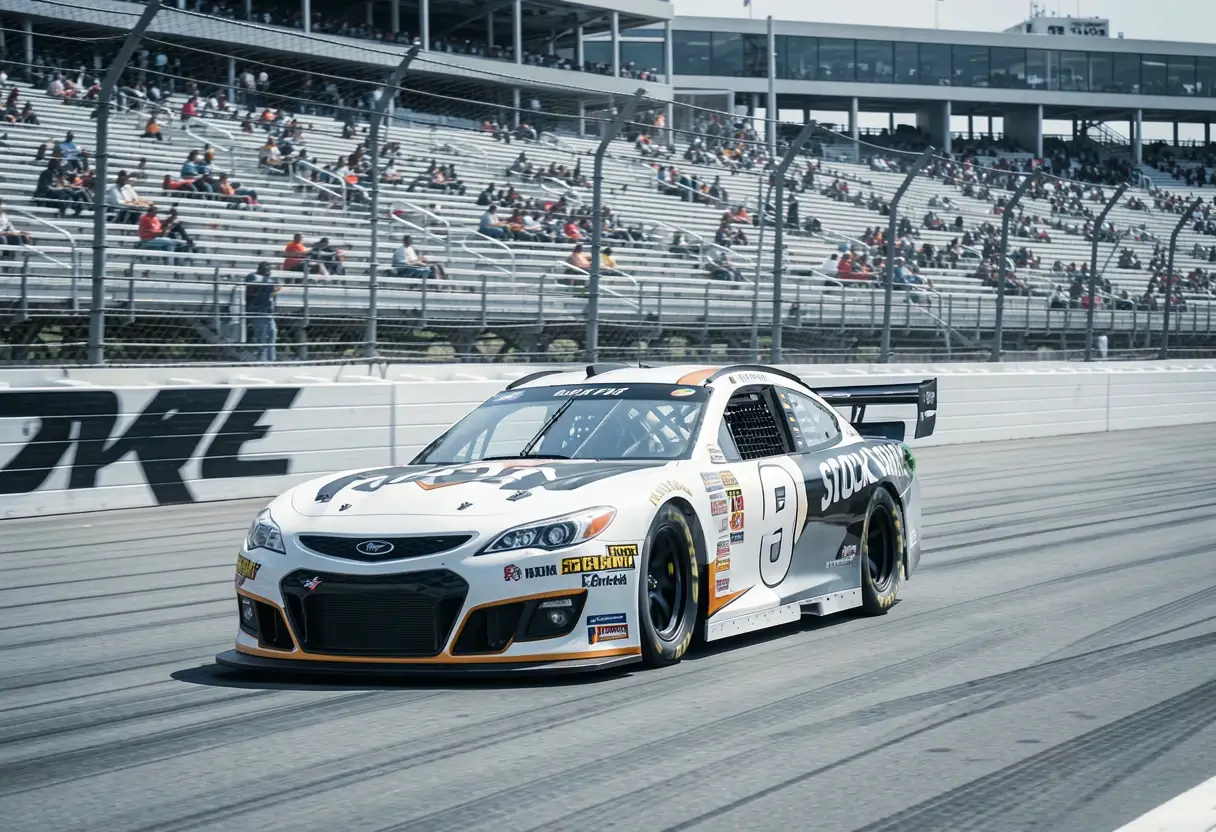
Stellantis (BIT: STLAM) will bring Dodge back to the NASCAR Cup Series in 2027, ending an absence of more than a decade from the top level of American stock-car racing. Dodge will partner with Kaulig Racing, which is set to become the headline Cup Series team for the brand. The move puts gasoline-powered performance marketing back at the center of Stellantis' North American strategy.
The announcement carries weight because it cuts against the grain of Stellantis' stated playbook. The company's current narrative, as laid out in the source analysis, rests on cost discipline, multi-energy platforms, and focused brand execution. A factory-backed racing program only helps if it reinforces the profit-first reset in North America rather than distracting from it.
The return also reconnects Dodge with a racing audience that has longstanding ties to American performance cars. That heritage is the brand's commercial asset. What it costs to reactivate is the open question.
What does the return actually test?
The source analysis is blunt about the stakes: the racing program needs to be judged not simply as a marketing exercise or nostalgic return to the track, but as part of a broader effort to strengthen the North American business, sharpen brand positioning, and support profitability. If it fits that framework, it is a useful brand investment; if it pulls attention and spending away from the core reset, it risks looking like a detour.
Factory-backed NASCAR programs, crate engines, and performance parts feed a performance ecosystem that can justify pricing and strengthen Dodge's performance identity. That ecosystem connects racing to products customers can buy, and it supports brand equity in a segment where performance credentials matter.
The caveat follows the promise. Those same activities add spend that must sit inside tighter cost targets. The key question, per the source, is whether the NASCAR program can generate enough brand and commercial benefit to justify its place within Stellantis' cost discipline, rather than becoming an additional expense that complicates the recovery story.
Takeaway in plain words: the program pays for itself only if racing halo converts into showroom pricing power.
How does NASCAR fit the wider portfolio?
The move sits alongside very different bets. Stellantis is pushing into micromobility with the Fiat Topolino and has partnerships with groups like Leapmotor. Those initiatives point toward a portfolio spanning small, affordable urban vehicles and electric or low-emission offerings through partnerships.
NASCAR leans the other way: high-horsepower branding in the United States. The wider thesis, according to the source analysis, is about maintaining a balanced portfolio across EVs, multi-energy platforms, and captive finance — closer to how Ford and General Motors juggle models like the F-150 or Corvette alongside electric rollouts.
In that context, Dodge's NASCAR return reads as one piece of a larger brand and product strategy rather than a standalone bet on racing.
Takeaway in plain words: this is portfolio balancing, not a strategy pivot.
What should investors watch?
The same racing headline can look like smart brand investment or an unnecessary detour, depending on which Stellantis narrative an investor holds. If the Dodge and Kaulig Racing partnership is seen as reinforcing cost discipline, brand execution, and North American profitability, it supports the recovery story. If it is seen as spending that competes with tighter cost targets and the broader multi-energy strategy, it raises questions about capital allocation.
Notably, the announcement contains no figures: no program budget, no sponsorship revenue, no sales targets attached to the racing return. The source analysis ties significance, not to nostalgia or race wins, but to how well the program fits within the profit-first reset and the Value Creation Program.
Takeaway in plain words: the scoreboard that matters is financial, not the one at the track.
For now, Stellantis has a visible way to reconnect Dodge with NASCAR fans and performance heritage. Whether that visibility translates into margin, pricing power, or shareholder value will only become clear once the 2027 season begins — and once the spending shows up, or doesn't, inside the company's cost targets.
Source: tradingview.com
More from Olivia Hart
Show full bio
Staff writer covering people, launches and day-to-day practice in entrepreneurship, startups and venture funding at Business Bearings.
1,735 articles