Everful Raises $48.5 Million Series A to Scale AI Commerce
Everful raised $48.5 million to expand AI-driven sourcing and fulfillment in the United States and Europe, after monthly shipments passed 5 million pieces.
By Daniel Okafor
3 min read
What's News
- Everful announced a $48.5 million Series A on November 19, 2026, co-led by Vertex Ventures Southeast Asia & India and January Capital.
- Existing investors Square Peg and Lightspeed participated in the round.
- Monthly shipments exceed 5 million pieces across more than 60 countries.
- The network includes more than 30,000 vetted factory partners and a catalog above 20 million items.
- Everful's $100 million annualized revenue goal for the end of 2026 is a projection, not realized revenue.
By Daniel Okafor
Everful announced a $48.5 million Series A on November 19, 2026, co-led by Vertex Ventures Southeast Asia & India and January Capital. Existing investors Square Peg and Lightspeed participated. Everful said the proceeds will expand its AI commerce systems and fulfillment infrastructure, while deepening its presence in the United States, its largest market, and Europe.
Less than two and a half years after launch, Everful said it ships more than 5 million pieces a month to retailers and brands in over 60 countries. Its network includes more than 30,000 vetted factory partners, and its catalog exceeds 20 million items.
Everful's goal is $100 million in annualized revenue by the end of 2026. The company identifies that figure as a projection, not realized revenue. The target comes as the company prepares deeper expansion in the United States and Europe.
How does Everful's AI commerce system work?
Everful describes the core of its business as a supply-and-demand world model. It maps what customers want, what factories can produce, and how products move between them. Its AI agents use the map to identify trending products, find and vet factories, and manage communications throughout each order.
Everful uses quality data from its own inspections to score factories continuously. Orders, inspections, and deliveries add transaction data to the model. Co-founder Kevin Han described that loop as the mechanism that allows the system to improve with each transaction.
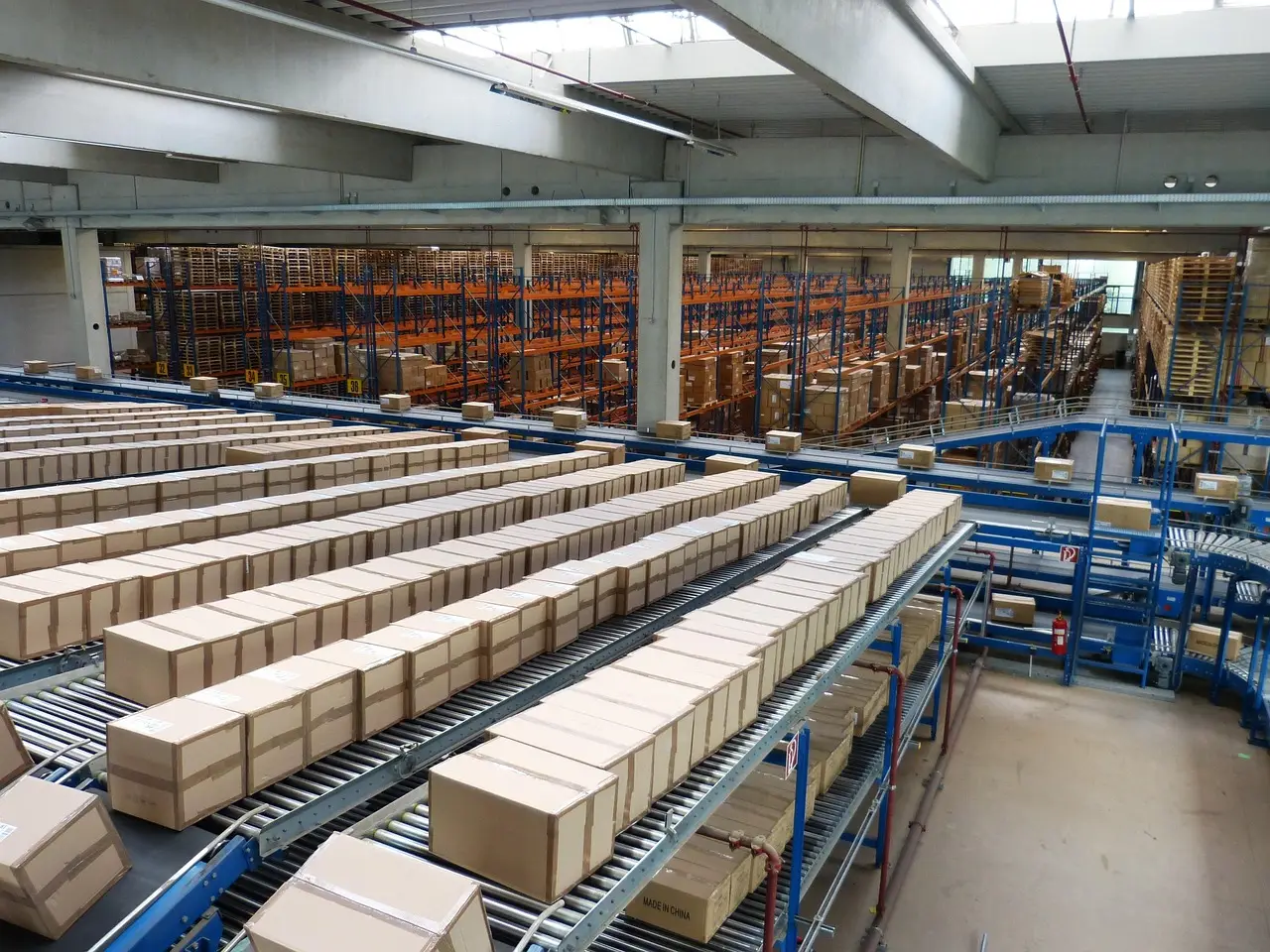
The company also manages fulfillment end to end. Buyers avoid coordinating suppliers and delivery themselves. Everful therefore controls both factory selection and delivery after production.
Customers can buy wholesale, dropship, or customize products. Everful's wholesale site advertises no minimum orders and hand inspection before delivery. The catalog spans jewelry, clothing, home goods, pet supplies, and other retail merchandise.
Co-founder and CEO Sisi Song, a former Alibaba Group executive and Bessemer Venture Partners investor, started Everful with Han in 2024. Han previously founded Orbeus, which Amazon acquired. Song described the product as giving businesses the functions of an overseas sourcing team without having to hire one: “AI lets us turn that team into software.”
Why do investors see an opening?
Everful attributes the opportunity to two changes in a sourcing process where information remains scattered across thousands of sources in multiple languages. The company says much of the coordination still requires manual work.
Large language models and computer vision can now interpret and act on messy supply data, Everful said. The company also points to factories that have digitized operations, hold ready stock, and produce in small batches. Together, those changes allow its agents to identify and coordinate suppliers in real time.
Everful describes the result as less a static catalog than a live routing map. Each order supplies new information about demand, factory performance, and delivery, strengthening the data used to make the next sourcing decision.
For investors, supplier trust and data form the investment case. Vertex Ventures Southeast Asia & India senior executive director Jessica Koh pointed to small retailers' difficulty finding reliable suppliers. January Capital partner Alex Rankin said each order sharpens the model and compounds its data advantage.
What must Everful prove as it scales?
The financing supports more than geographic expansion. Everful is tying growth to a loop in which commercial transactions produce the data used to select products, assess factories, and coordinate fulfillment. The company must now expand that operating model across the United States and Europe.
The immediate test is whether Everful can maintain supplier quality and dependable delivery as its network grows. Everful itself frames the expansion as dependent on both. Scaling volumes while preserving inspection standards and dependable delivery would determine whether the data advantage also produces durable commercial growth.
Everful's $100 million annualized revenue goal by year-end 2026 makes the test measurable. The company must turn expanded fulfillment capacity and wider market reach into reliable orders without weakening factory vetting, hand inspections, or delivery standards.
Source: unite.ai
More from Daniel Okafor
Show full bio
Correspondent covering money, funding and market shifts around entrepreneurship, startups and venture funding at Business Bearings.
2,407 articles