Exxon Books $15.4 Billion Quarter as Refiners Cash In on War Premium
Exxon posted $15.4 billion in Q3 profit and Chevron $9.9 billion as war-driven refining margins set records, with Valero and Phillips 66 logging their best quarters ever.
By Nathan Brooks
4 min read
What's News
- Exxon's Q3 profit hit $15.4 billion, more than double $7.5 billion a year ago; Chevron earned $9.9 billion, up from $3.5 billion.
- Phillips 66 ($5.6B) and Valero ($6.8B) posted record quarterly profits; Valero stock is up 140% in a year.
- Roughly 10% of global refining capacity is offline in the Middle East and Russia, keeping margins elevated.
- Valero bought LyondellBasell's mothballed Houston refinery for $320 million.
- Exxon CEO Darren Woods expects recovery to take 'well through next year.'
ExxonMobil just posted a $15.4 billion third-quarter profit — more than double the $7.5 billion it earned a year ago, and just shy of its best quarter ever, set in 2022. Chevron followed with $9.9 billion, up from $3.5 billion a year ago, as the Iran war keeps oil above $100 a barrel and pushes diesel to all-time highs.
The numbers landed Friday, days before the Nov. 3 midterm elections, with President Donald Trump openly celebrating the windfall on the campaign trail. "I could just see the fake headlines. 'President Trump is talking about all the money they're making while people are suffering at the pump.' That'll be the headline," Trump said. "But I said, 'I don't give a damn. I'm going to say it.' We're making a freaking fortune."
What does this change for investors?
Plenty, if you held the refiners. Exxon's stock is up 62% over 12 months, including a 1% gain Friday. Chevron has climbed 53%. But the pure-play refiners crushed them both: Phillips 66 and Valero Energy reported their most profitable quarters ever this week — $5.6 billion and $6.8 billion respectively. Phillips 66's market cap has doubled in a year, up 104%; Valero has surged 140%.
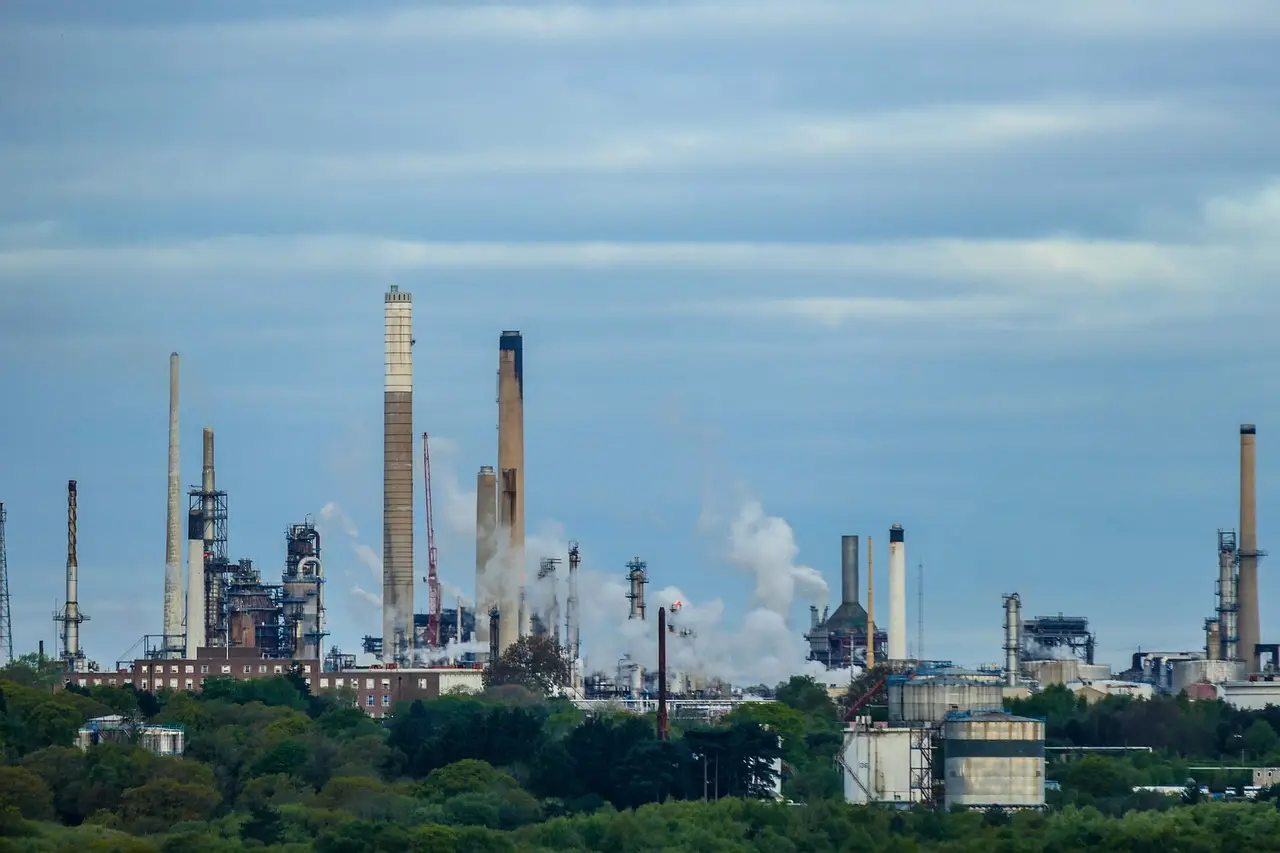
The refiners' edge comes from roughly 10% of global refining capacity sitting offline in the Middle East and Russia. That constraint, not crude production, is where the money is. Cracks between crude and fuel prices — the refiner's core margin — have hit records, with U.S. gasoline at autumn highs and diesel at all-time peaks.
Valero is also buying cheap assets while others retreat. The company said Friday it acquired LyondellBasell's mothballed Houston oil refinery for $320 million, adding capacity at a fraction of replacement cost.
What are the CEOs saying?
Exxon CEO Darren Woods addressed the politics head-on during Friday's earnings call. "We recognize the impact high prices have on people's lives and economic growth. We always have, which is why we have been constantly focused on efficiently growing advantaged production to keep markets supplied. That focus and commitment pays off in times like this," Woods said. He specifically credited the 2023 refining expansion in Beaumont, Texas, with keeping prices from climbing even higher.
Chevron CEO Mike Wirth echoed the supply-side framing on margins. "I would expect [refining] margins to stay elevated in the short term. The world has 10% of its refining capacity offline today," Wirth said. "I would expect margins to eventually moderate as refinery runs recover and export flows increase, but that will take some time."
How long can the war premium last?
Longer than traders might hope. Even if peace deals came in Iran and Ukraine, Woods said supply chains need time to rebuild and Russia's damaged refineries need repairs. "It will take certainly well through next year before we see things getting back closer to normal, but it could be longer than that frankly," Woods said. Wirth offered a similar timeline for elevated gasoline and diesel prices.
The majors aren't pure beneficiaries, though. Exxon is losing significant natural gas profits from Qatar shutdowns, and Woods wants the region stabilized. "Somehow, someway, the issues in the Middle East are going to have to be resolved and the Strait [of Hormuz] is going to have to open. Those resources are critically needed," Woods said.
Shipping is the hidden variable. Middle East oil exports have mostly recovered to pre-war levels this fall, thanks to Saudi leadership and U.S. naval escorts. But tanker leases and insurance costs remain steep as Iran keeps attacking vessels, and markets expect a possible escalation in U.S. strikes after the midterms. China has cut oil imports roughly in half but is buying more again, and the U.S. has stopped rapidly draining its Strategic Petroleum Reserve.
Chevron hedged that risk early. Wirth said the company owns or holds long-term leases on oil tankers at pre-war rates. "It is a material contributor to the results," Wirth said. For competitors paying spot freight rates, that's a margin line they don't enjoy.
The practical takeaway for practitioners: refiners hold pricing power into 2026 as long as capacity stays offline, but asset inflation — from $320 million refinery purchases to tanker charters — will determine who keeps the windfall and who gives it back.
Source: Fortune
More from Nathan Brooks
Show full bio
News editor covering regulation, policy and their impact on entrepreneurship, startups and venture funding at Business Bearings.
1,434 articles